






By David Shepardson
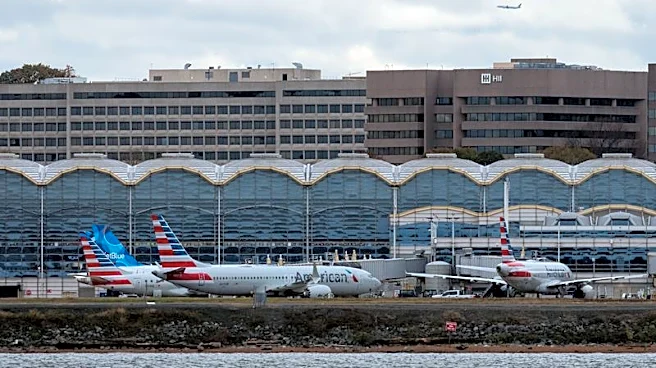
WASHINGTON, Nov 17 (Reuters) - US Transportation Secretary Sean Duffy said on Tuesday that no root cause had yet been determined for the router that failed on Friday, triggering a nationwide aviation shutdown and more than 18,000 flight cancellations.
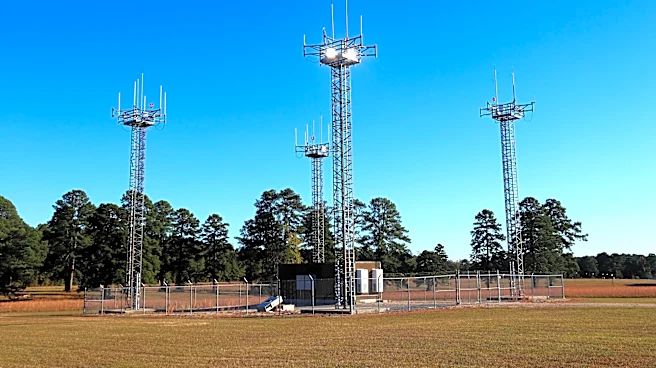
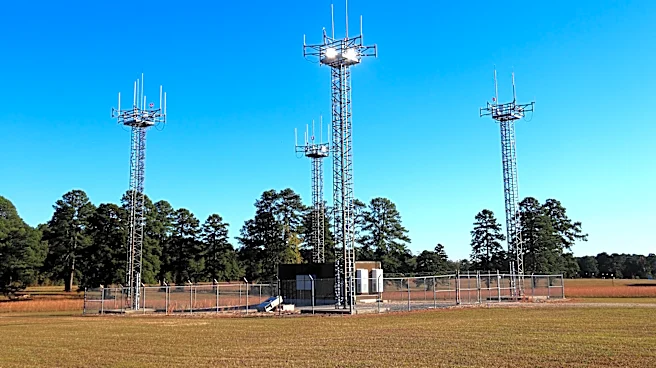
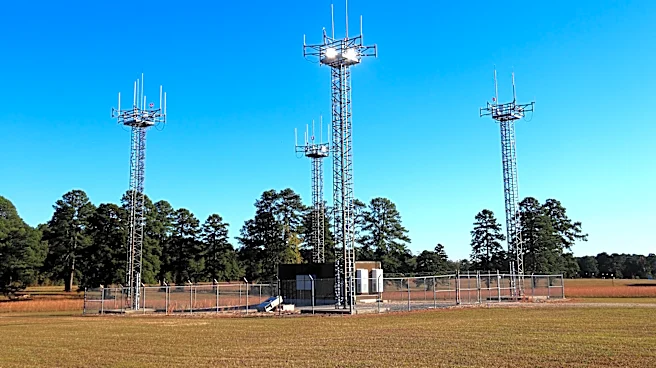
Duffy said it remained unclear why L3Harris Technologies' installation of a router in a remote El Dorado, Arkansas, facility had a big enough impact on the network to lead to a nearly five-hour aviation ground stop that affected hundreds
of thousands of airline passengers.
"We've been able to recreate what happened in El Dorado, but the root cause of what happened, we don't have clarity yet," Duffy told reporters after a meeting with senators.
The swap was part of a routine switchover from copper wire to digital fiber to modernize equipment, and FAA head Bryan Bedford told reporters that speculation that AI was involved in the outage was unfounded.
Duffy said the installation of 68 prior routers, which are made by Hewlett Packard Enterprise-owned Juniper Networks, had not led to any issues. But he said the FAA has paused installations of Juniper routers as testing continues at an L3Harris laboratory in Florida with the FAA, Cisco and the FBI on site.
L3Harris has said it is cooperating with the official investigation into what went wrong.
Duffy said that during the Biden administration, the FAA replaced 19% of its telecom network from copper to fiber and in one year the Trump administration has replaced just over 50%. "We do have to get this work done. Otherwise, staying on the old system for longer is going to mean more risk," he said.
L3Harris had been installing Juniper routers to replace Cisco routers, produced in 2001, which were supposed to have been replaced in 2006, the FAA said.
Duffy said the FAA had spent a year at its tech center testing the Juniper routers, but the installation at the Arkansas radio communications site led to an overload of a key government communications system. That destabilized aircraft communications and radar feeds, affecting 17 of 22 FAA en route air traffic control centers.
After the incident, the broadcasting function was also disabled on all the new routers as well as 60 other routers in the system as a precaution, the FAA said.
Juniper owner HPE said it believed its equipment was working as configured. "The FAA is assessing the configuration and performance of all infrastructure involved to determine the cause," the company said.
(Reporting by David Shepardson, Daphne Psaledakis and Christian Martinez; Editing by Caitlin Webber and Jamie Freed)