






By Chris Prentice and Samuel Indyk
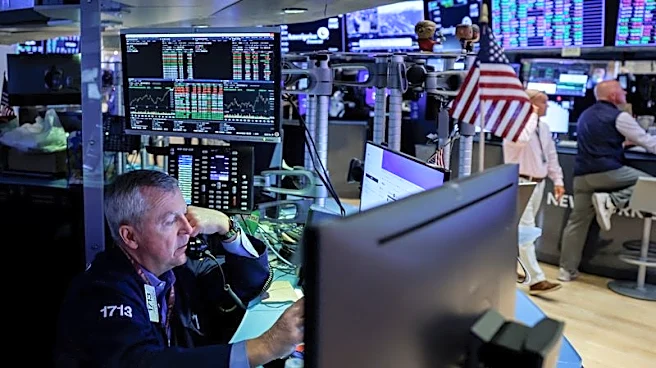
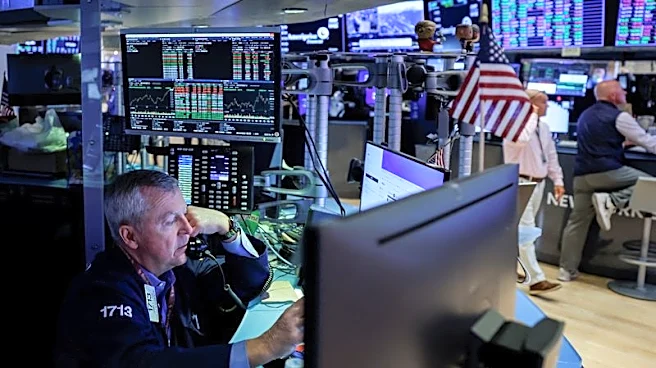
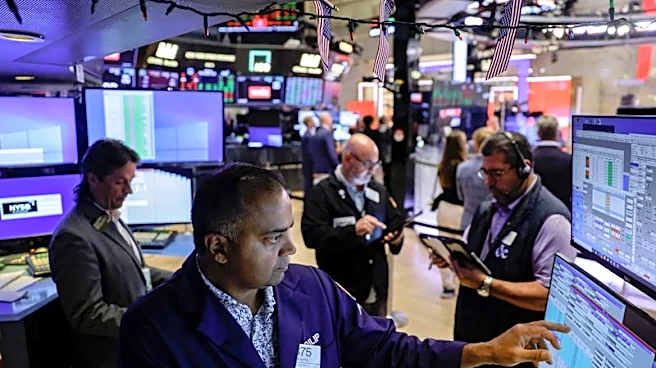
NEW YORK/LONDON, Aug 12 (Reuters) - Global equities were higher on Wednesday after mild inflation data reinforced bets the Federal Reserve will hold interest rates steady, while oil prices edged higher as investors balanced lower demand against a deadlock in U.S.-Iran talks.
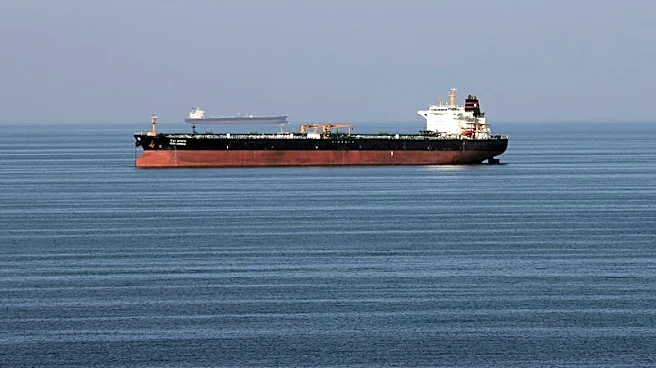
The United States and Yemen's Iran-aligned Houthis reported separate ship attacks. But oil prices fell as investors weighed lower demand forecasts. [O/R]
U.S. consumer prices increased 0.1% in July,
in line with expectations, data showed on Wednesday. The small increase could weaken the argument for an interest rate increase from the Federal Reserve next month. Money markets have shown a roughly 50% chance of a hike heading into the data release.
The data "relieves some of the concerns that the Fed is being pushed toward a rate hike due to inflation, which is being fueled by higher energy prices," said Robert Pavlik, senior portfolio manager at Dakota Wealth Management in Fairfield, Connecticut.
Gold prices touched their highest in more than two months as the data dented rate hike bets. U.S. Treasuries held gains, lifting yields. [GOL/][US/]
The data did not capture the most recent rise in oil prices, which have climbed higher amid tensions between the U.S. and Iran.
MSCI's gauge of stocks across the globe
rose 3.90 points, or 0.34%.
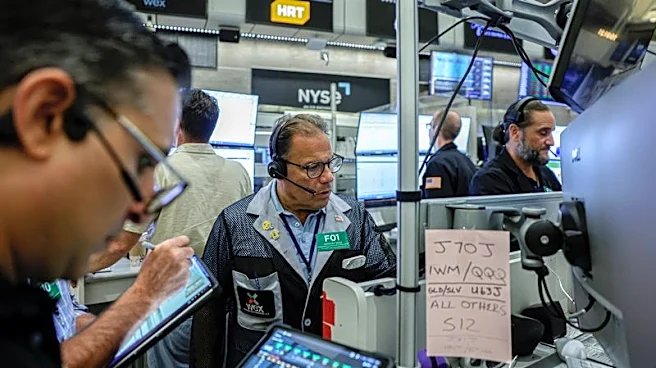
On Wall Street, the Dow Jones Industrial Average fell 21.58 points, or 0.04%, to 53,770.27, the S&P 500 rose 20.30 points, or 0.26%, to 7,748.50 and the Nasdaq Composite rose 143.04 points, or 0.54%, to 26,588.49.
Upbeat results from AI cloud company CoreWeave after the market closed on Tuesday gave the AI trade another boost. Other AI infrastructure providers also rose.
In Europe, the pan-continental STOXX 600 fell 0.16%.
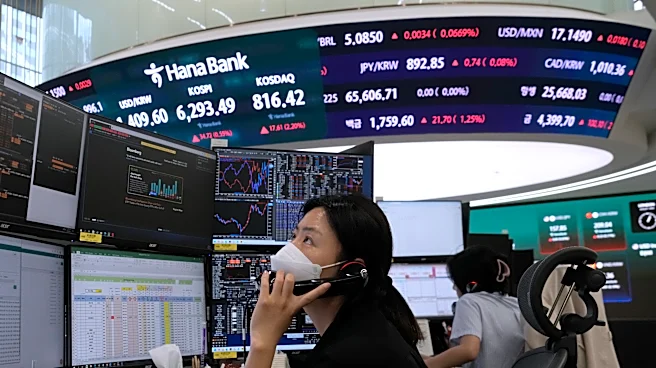
In Asia, MSCI's broadest index of Asia-Pacific shares outside Japan closed higher by 0.92% at 1,636.51.
Emerging market stocks rose 0.95% to 1,681.25.
TALKS TO END IRAN WAR CONTINUE
Markets were still following talks to end the war and reopen the Strait of Hormuz to shipping traffic.
The U.S. and Yemen's Iran-aligned Houthis reported separate attacks on shipping on Tuesday, while both Iran and the U.S. have stepped up their rhetoric in recent days.
Iran's most senior security official said on Tuesday the Strait of Hormuz will remain closed unless the U.S. accepts Iran's conditions.
Still, investors have been calm.
"Our base case for a long time has been a gradual but messy de-escalation," said Dorian Carrell, head of multi-asset income at Schroders.
"We don't expect traffic (through the Strait of Hormuz) to go to its full capacity. We think that puts a floor on the oil price and maintains an energy-driven inflationary driver in markets in the near- to medium-term."
Brent futures settled up 7 cents at $88.98 a barrel and U.S. crude also rose 7 cents at $83.27 in a volatile session.
Prices were earlier down as forecasters cut their global demand projections. [O/R]
MARKETS ANTICIPATE A BOJ HIKE
The yield on benchmark U.S. 10-year NOTES rose
1.26 basis points to 4.697%.
Markets are increasingly pricing in an early rate hike in Japan, putting pressure on the nation's shorter-dated bonds. Investors priced in an almost 60% chance of a quarter-point hike at the Bank of Japan's September meeting.
The yen weakened 0.07% to 159.39 per dollar, remaining off last week's high of 155.20 after several suspected rounds of intervention.
The dollar index, which measures the greenback against a basket of currencies, including the yen and the euro, rose 0.17% to 99.97, with the euro down 0.14% at $1.1524.
Spot gold rose 0.92% to $4,407.12 an ounce. U.S. gold futures settled up 0.6% at $4,467.5.
(Reporting by Samuel Indyk in London and Rocky Swift in Tokyo and Chris Prentice in New York and additional reporting by Sinéad Carew; Editing by Edwina Gibbs, Stephen Coates, Barbara Lewis, Nia Williams and Aurora Ellis)