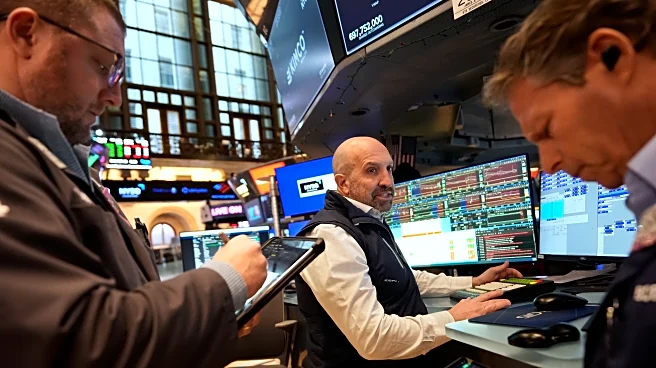

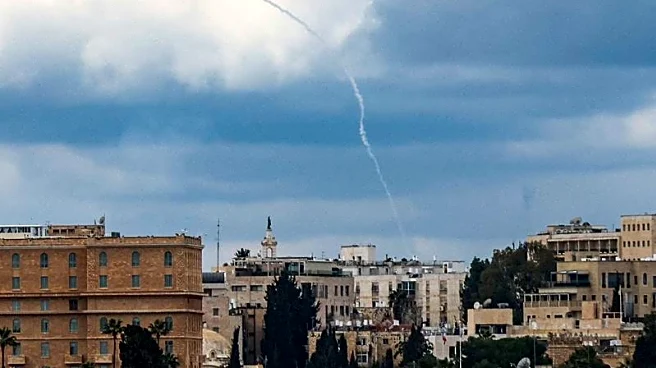

NEW YORK, March 3 (Reuters) - A selloff in US stocks deepened on Tuesday, as widening conflict in the Middle East drove energy prices higher and raised investor concern about inflation.
MARKET REACTION: The Dow Jones Industrial Average <.DJI> and the S&P 500 <.SPX> each fell 1.3% and the Nasdaq Composite <.IXIC> fell 1.4%.
COMMENTS:
JOHN VELIS, AMERICAS MACRO STRATEGIST, BNY, NEW YORK:
“I think the explanation lies in the move higher in oil over the evening and morning today. Oil’s rallied because of
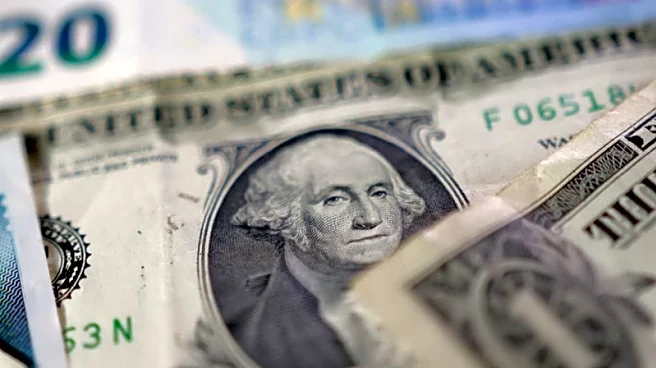
the escalation to the region and the prospects for a longer campaign. This has pushed yields higher and stocks lower. Dollar higher on risk-off.”
JAMIE COX, MANAGING PARTNER, HARRIS FINANCIAL GROUP, RICHMOND, VIRGINIA:
"Markets are acting rationally about the effects of higher energy prices on the global economy. Many worry that the inflationary impact will take away the lower interest rates the markets were counting on in 2026. The VIX seems to be topping out around the October high, which signals to me that investors are a little skeptical that energy prices will rise more from here."
EDWARD B. O’GORMAN, CHIEF EXECUTIVE OFFICER, RIVER WEALTH ADVISORS LLC, CAMP HILL, PENNSYLVANIA:
“Today is a golden opportunity for investors to reposition into our investment theme for 2026 of bet on the economy and go underweight tech. Today is a day that the market is showing some increased fear, which is usually a buying opportunity. We bought emerging markets today after the big selloff.
“We expect countries around the globe will collaborate and put a plan in place to stabilize the oil markets. The costs are too high if not."
CHUCK CARLSON, CHIEF EXECUTIVE OFFICER, HORIZON INVESTMENT SERVICES, HAMMOND, INDIANA:
“Today, the biggest issue that (investors) are trying to weigh gets back to the intertwining of inflation and interest rates.
“That’s the difference between today and yesterday. There seems to be some notion that perhaps (the Iran war) will persist longer than people thought 24 hours ago, because it’s spreading and starting to potentially impact energy infrastructure. Are energy prices going to remain elevated for a longer period of time than people thought yesterday and then does that pass through?”
ALEX MORRIS, CEO AND CIO, F/M INVESTMENTS, WASHINGTON, DC:
“I think this is a direct reflection of the administration's uncoordinated response. …The market is now reacting that, OK, this isn't actually going to be a three-day, one-week initiative. This is going to drag on a little longer. ...
“We weren't exactly running around saying things were cheap a few weeks ago. Things were already a little expensive. The market was always kind of looking for an excuse to let some of the air out of the balloon.”
QUE NGUYEN, CHIEF INVESTMENT OFFICER, EQUITY STRATEGIES, RESEARCH AFFILIATES, NEWPORT BEACH, CALIFORNIA:“What typically happens in a Middle East crisis is that markets see a drawdown of 10% to 20% before they start to turn around. Right now we’re only off 2% so far, so this could be a much longer ride. That’s especially true because in the past when we have entered into conflicts, there was always an exit plan, even if we couldn’t execute it smoothly. This time, it’s not really clear how we are going to extricate ourselves from this."
AAKASH DOSHI, HEAD OF GOLD STRATEGY, STATE STREET INVESTMENT MANAGEMENT, NEW YORK:
"In the case of gold, yesterday, it rallied along with the dollar. Today, the dollar has continued to rise. And I think in the case of gold, you're seeing some profit taking, and you're seeing just some liquidity, a cash raise, using gold as a liquid alternative hedge, in order to potentially offset margin calls to offset stopped out long positions and so forth. The focus has to be on the immediacy of when there's a real geopolitical shock or when there's very massive market uncertainty; your cash is king still."
(Reporting by Laura Matthews, Saeed Azhar, Stephen Culp, Lewis Krauskopf, Suzanne McGee, Dhara Ranasinghe; Editing by Colin Barr)