






By Parisa Hafezi and Angus McDowall
DUBAI, July 6 (Reuters) - Iran's theocratic rulers are mobilising mass crowds of the revolutionary faithful on the streets of Tehran, but behind the display of unity it is far from clear they have resolved gaping internal fractures over the economy and state repression.
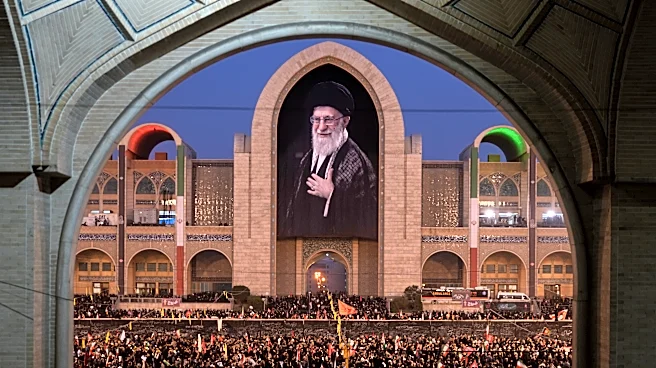
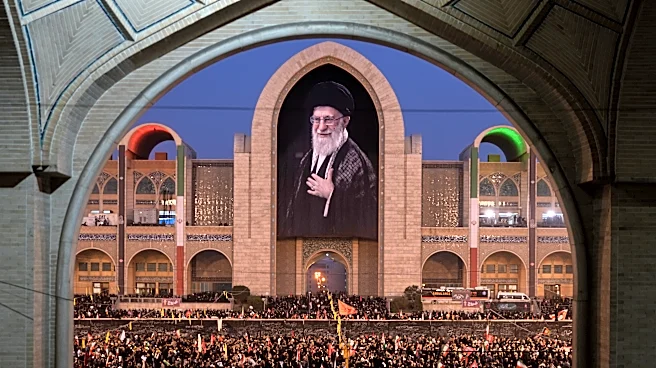
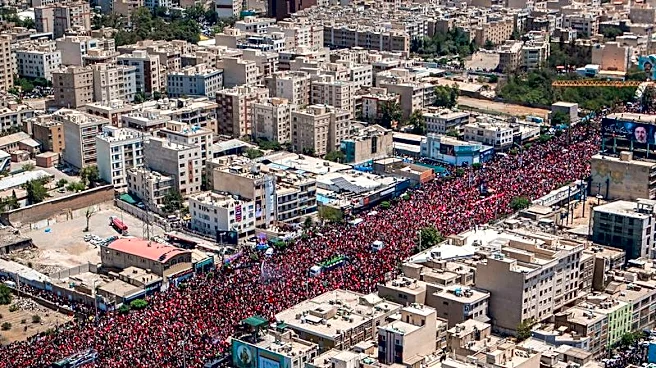
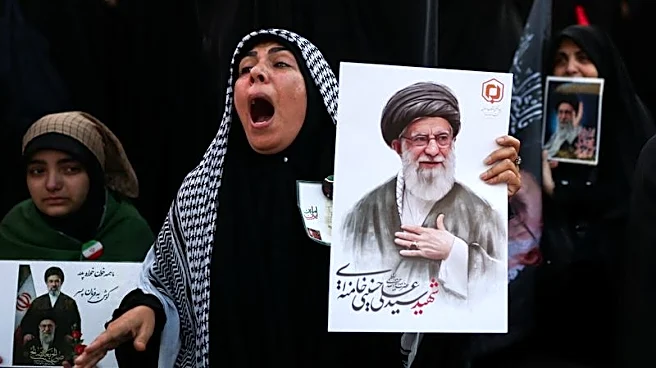
Vast numbers are attending a week of funeral events for Supreme Leader Ayatollah Ali Khamenei, killed in U.S.-Israeli strikes at the start of the war, in mourning ceremonies, marches and demonstrations
across Iran.
The size of the rallies, aided by discounted transport, food and lodging, is intended as a referendum on the Islamic Republic, a top cleric said last week, and authorities are proclaiming the crowds as a message of defiance and power to foreign foes and internal critics alike.
While Tehran was filled with mourners on Monday, however, analysts — and even senior Iranian officials — caution that the crowd size cannot be equated to a popular endorsement of continued theocratic rule.
"If anyone's thinking this is a litmus test for the popularity of the Islamic Republic, history tells us otherwise. It's a funeral, and Iranians do funerals very well," said Ali Ansari, professor of modern history at St Andrews University in Scotland.
Reuters spoke to people attending the rallies who said they were only there as spectators or were motivated by a sense of religious duty in a country of strong Shi'ite Muslim tradition, rather than to display political allegiance.
'I WANTED TO WITNESS HISTORY,' SAYS MOURNER
"My attendance does not mean that I am pro-regime, this big event happened in my country and I wanted to witness history," said Hamidreza, 63, a retired teacher in Tehran who said he always attends funerals of major national figures and asked to withhold his family name.
Reuters was not able to immediately verify crowd numbers on Monday, though drone footage appeared to show hundreds of thousands of people.
The authorities can count on a steady base of ideological support that analysts often put at around 15-20% of the population of 93 million, based on support for hardline candidates in elections. During the last presidential vote in 2024, the hardline candidate Saeed Jalili received around 13.5 million votes.
The funeral is a rare national event — the first of a supreme leader since 1989 when Khamenei's predecessor Ayatollah Ruhollah Khomeini, the father of the 1979 revolution, was buried at a moment of high ideological fervor. His burial, two days after his death, drew millions of people in scenes that sometimes verged on chaos.
Khamenei, killed on February 28, could not be buried sooner because of the war, despite Islamic requirements for a swift funeral. But the delay has also given time for the authorities to plan a major state occasion.
This week's events are also the first public commemorations since the end of a war that supporters of the Islamic Republic saw as existential, and in which U.S. President Donald Trump threatened that "a whole civilization will die".
"If we do not respect our leaders, the world will not respect us," said Houshang Dabiri, 51, explaining why he had travelled to Tehran from Shiraz for the funeral.
One senior source acknowledged that people were attending for a variety of reasons, including religious duty and backing for the state, and that many of those on the streets were the same people who always attended demonstrations arranged by the authorities to back official campaigns and policies.
INTERNAL PROBLEMS AND BOUTS OF PROTEST
Four months of war with the United States has immiserated a population already toiling under an economy strangled by years of sanctions, with people's wages evaporating through high inflation and a slumping currency.
"I did not attend the ceremony. Why should I be part of their staged show? Instead of such funerals, think about people's economic problems. We are suffering," said Maryam, 33, a housewife in Tehran.
Anger at the economy sparked the last round of mass nationwide protests that later morphed into more explicit demands for the end of the theocratic state, and which security forces put down in January by killing thousands of demonstrators.
Executions for taking part in that unrest have continued through the year and when news of Khamenei's death spread on the first day of the war, Tehran residents reported the sound of cheers echoing in different districts of the city.
Another former senior official, who has attended the funeral events this week, described a range of different camps in Iran including those who are neither supporters nor opponents of the Islamic Republic, but are driven by economic concerns.
Explaining the rifts between different parts of Iranian society, with hardliners angry at what they see as inadequate terms in the ceasefire deal and critics who want more freedoms, the former official compared the funeral to that of a father.
"Children attend the funeral, but afterwards their disputes begin," he said.
When another revolutionary Iranian icon, General Qassem Soleimani, was killed in a U.S. airstrike in 2020, central Tehran was packed with mourners for his funeral.
But only two years later, the death of a young Kurdish woman taken into custody over public dress codes prompted mass protests against the ruling system that spread across the country and were only put down with hundreds killed.
(By Parisa Hafezi and Angus McDowall, Editing by William Maclean)