


By Cathal McNaughton and Amanda Ferguson
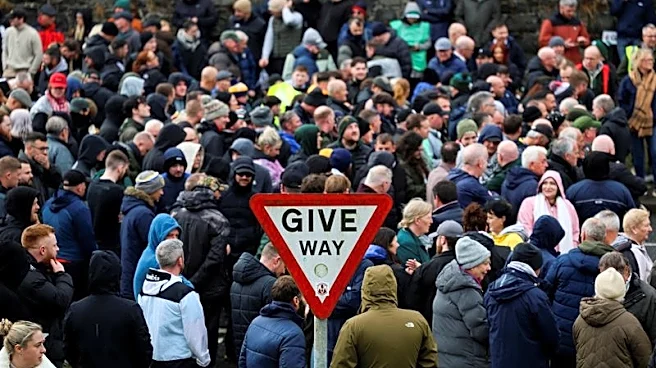
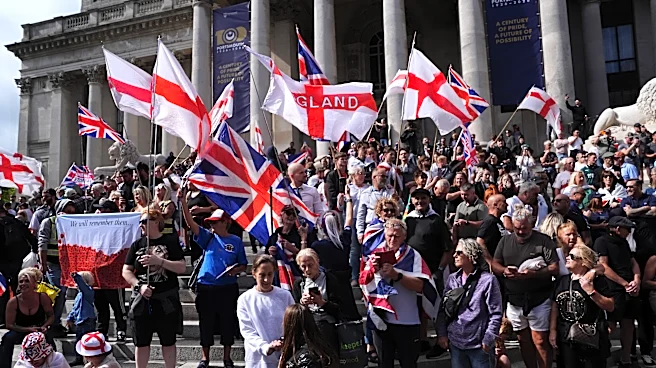
PORTADOWN, Northern Ireland, Sept 27 (Reuters) - Around 2,000 protesters blocked a Protestant parade from marching through the Catholic area of a Northern Irish town on Sunday, creating a standoff with both sides declining to disperse and police in between them keeping their distance.
The attempt to hold the parade through the town of Portadown followed the lifting of an almost 30-year ban on the contentious route, but the marchers were halted by crowds including
Northern Ireland First Minister Michelle O'Neill of Irish nationalists Sinn Fein.
The protesters, also including Sinn Fein leader, Mary Lou McDonald, gathered in the rain on the Garvaghy Road overnight after Belfast's High Court in a late-night sitting dismissed an application by residents to stop the parade.
CALLS FOR CALM
Annual attempts by the Protestant Orange Order to march through the area triggered unrest across the British-run region before the route was banned in 1998, the same year the Good Friday Agreement largely ended the three decades of violence known as the "Troubles".
"This is madness," McDonald told reporters on the road, a Catholic enclave in the largely Protestant town of Portadown. "This, in fact, is primitive treatment of any community in the year 2026. It is intolerable."
The leaders of Ireland and Britain, who are co-guarantors of the peace accord, called for calm. "There have been big gains made in Northern Ireland and we don't want to see things go backwards," British Prime Minister Andy Burnham told the BBC.
Irish premier Micheal Martin shared Burnham's concern but also called the ruling by Northern Ireland's Parades Commission to allow the parade "incomprehensible" and "wrong."
The commission, which regulates marches in the British-run region, on Friday permitted a smaller-than-usual 35 people to take part in the march between 8 a.m. (0700 GMT) and 9:30 a.m.
It had initially continued the ban for this year's parade, but that decision was quashed by the High Court in August over a procedural error.
ORANGE SASHES AND BOWLER HATS
A small group of Orange Order members wearing traditional silk orange sashes and black bowler hats gathered at another part of the town but the march did not start.
A senior member told the BBC they would wait for police to tell them the route was ready.
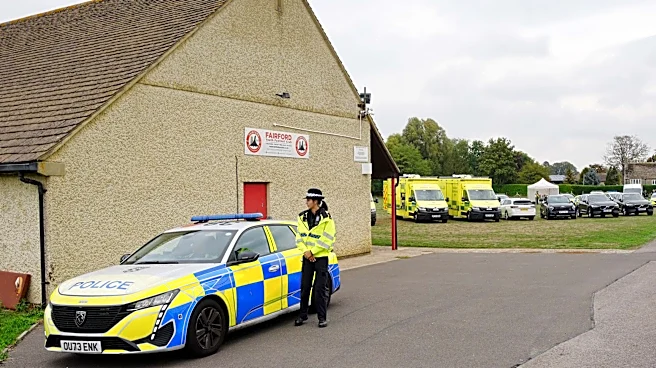
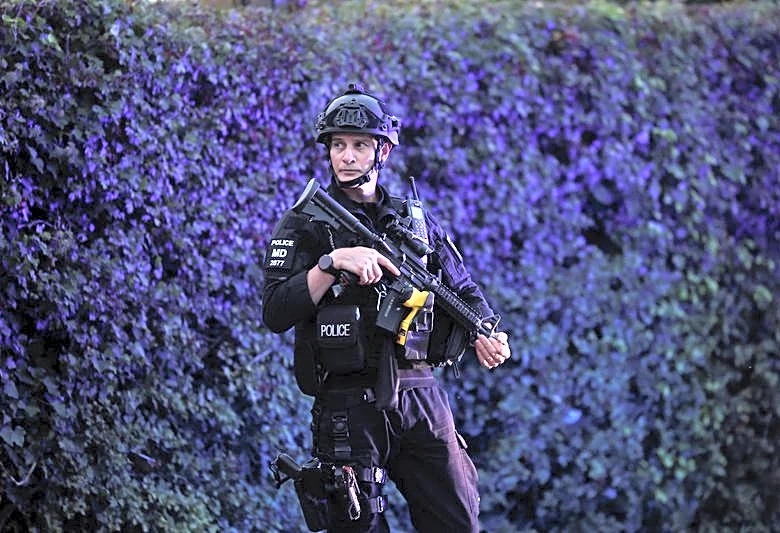
Police vans parked near the Garvaghy Road and flanked by officers in riot gear played out warnings that anyone taking part in the protest was committing a criminal offence.
The Drumcree dispute exploded in the mid-1990s when, in the wake of ceasefires by Northern Ireland's main guerrilla groups, it became a symbol of the wider dispute between mainly Catholic nationalists, who consider themselves Irish, and Protestants loyal to Britain.
The Orangemen, who take their name from Protestant King William of Orange who defeated deposed Catholic King James II at the Battle of the Boyne in 1690, say their parades are part of their Protestant cultural tradition.
Whilst most of the parades that take place across Northern Ireland each year are uncontroversial, nationalists say parades passing through Catholic areas are an offensive display of triumphalism designed to intimidate them.
PEACE PROCESS BROUGHT 'INTO QUESTION'
McDonald and O'Neill called on the British government and police to intervene. Britain's minister for the region, Chris Bryant, has the power to revoke the Parades Commission's ruling at the request of Northern Ireland's police.
Bryant, who was returning to Belfast from his Labour party's conference in Liverpool to meet political leaders, told the BBC he had not received any request from police following several conversations with its chief constable.
O'Neill, whose party shares power with the largest pro-British party in a devolved administration established as a key part of the 1998 peace deal, warned that the dispute brought into question how the peace process works.
Gavin Robinson, leader of the Democratic Unionist Party, told a news conference: "It is shameful ... that we see a first minister, a collection of ministers who are participating in an unlawful protest, who are blocking the road and who are giving two fingers to the police, the courts and the rule of law."
(Reporting by Amanda Ferguson; Writing by Graham Fahy and Padraic Halpin; Editing by William Mallard and David Holmes)