


JERUSALEM, March 30 (Reuters) - The Bank of Israel left short-term interest rates unchanged for a second straight month on Monday as expected, citing inflation pressures from the Iran war that has driven up oil prices.
After cuts in November and January following a ceasefire in Gaza, the central bank held steady last month to leave its benchmark rate at 4%.
Since the start of the war a month ago, "geopolitical uncertainty has grown both domestically and globally, particularly with regard to the expected
duration and intensity of the fighting and how it will end," the central bank said.
It added that since the last month's rates decision, "there has been an increase in the inflation environment, mainly due to a marked increase in global energy prices."
Israel's annual inflation rate moved higher in February to 2.0% from a 4-1/2-year low of 1.8% in January, staying well within an official target range of 1-3%.
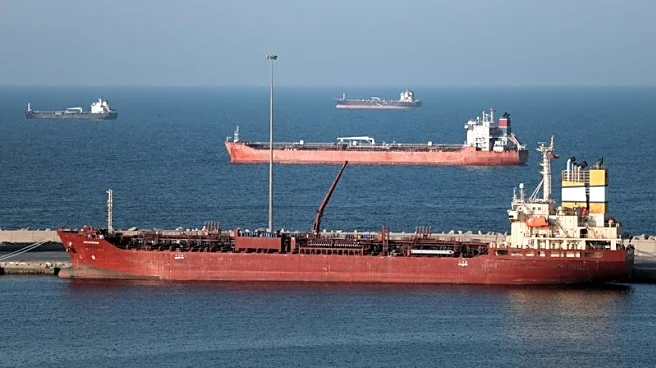
All 13 economists polled by Reuters had projected no rates move, citing the U.S. and Israeli strikes launched on February 28 that has resulted in Iran largely shutting the Strait of Hormuz.
Due to the conflict, the Bank of Israel's staff trimmed its economic growth estimate for Israel to 3.8% in 2026 from a prior 5.2% and raised its 2027 estimate to 5.5% from 4.3%.
By the first quarter of 2027, the bank projects an interest rate of 3.5% to 3.75%, or two 25 basis point reductions, with inflation at a 2.3% rate.
(Reporting by Steven Scheer; Editing by Andrew Cawthorne)