





By Jonathan Landay and Andrea Shalal
WASHINGTON, Aug 5 (Reuters) - The U.S. is pressing ahead with talks on allowing Ukraine to make Patriot interceptor missiles, which Kyiv urgently wants to defend against Russian attacks, even after President Donald Trump cast doubt on such a deal, four sources familiar with the discussions said.
The discussions include an option for Ukraine to build some components for final assembly elsewhere in Europe, the sources added.
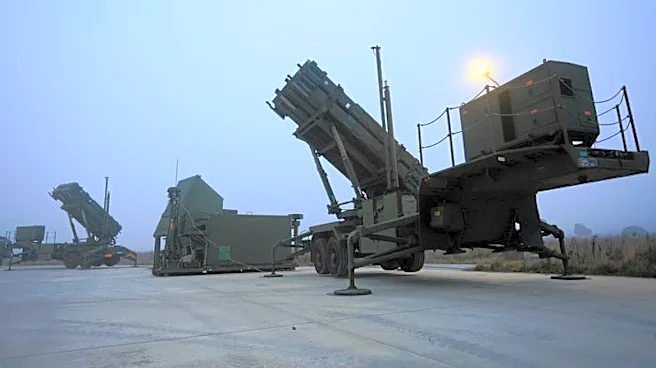
Kyiv has been seeking more PAC-3s, the newest
type of Patriot missile and one of the few weapons capable of downing the ballistic missiles Russia has been launching into Ukraine in growing numbers.
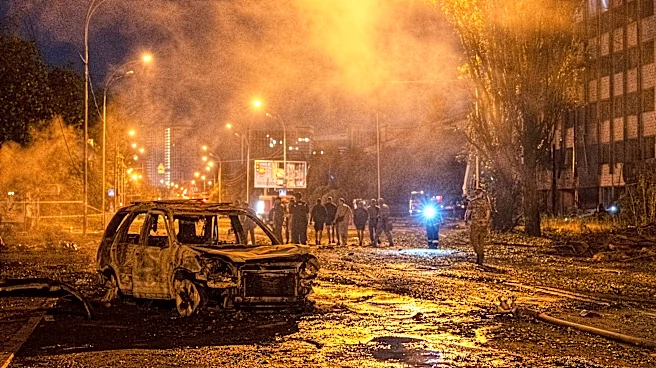
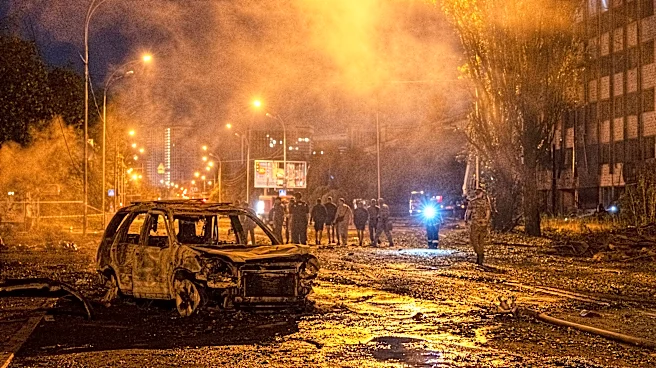
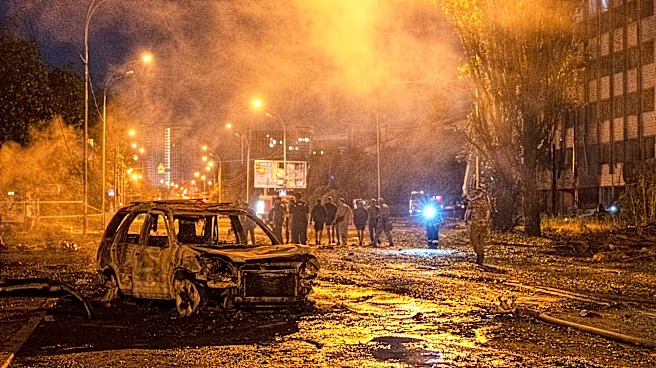
Ukrainian President Volodymyr Zelenskiy on Saturday warned that the country had run out of Patriot interceptors, and that only one of 27 ballistic missiles fired by Moscow that day had been shot down.
During a meeting with Zelenskiy in Ankara, Turkey, last month, Trump said the U.S. would grant Ukraine a license to manufacture PAC-3s in a boost for Kyiv.
But last week, Trump appeared to reverse course after what two of the sources described as a challenging meeting with Zelenskiy at the White House. He told reporters that the U.S. had not agreed to letting Ukraine build Patriot missiles and the U.S. must be "very careful about letting somebody build them."
Zelenskiy's calls for domestic production of interceptors, needed for the Patriot system, had been largely set aside by Washington while the war continued, given security concerns raised by industry executives and U.S. military officials, three of the sources said.
Washington's envoy to NATO, Matthew Whitaker, is now leading the push to reach an agreement and traveled to Kyiv last month to discuss the issue and assess options with Ukrainian officials and weapons industry executives, the four sources said.
"No order was given to halt the discussions," one of the sources said, adding that talks continued with U.S. arms makers, military officials and others.
The White House declined to comment on the matter.
The options under consideration include building Patriot components in Ukraine and sending them to Germany for final assembly, adding Ukraine to an existing U.S.-European Patriot interceptor program, and allowing Kyiv to build a cheaper version of the PAC-3, according to the four sources.
The sources were granted anonymity to speak freely about the administration's internal deliberations.
Whitaker used last month's visit to Kyiv "to explore collaboration opportunities on battlefield innovations, such as drones, which will benefit the U.S. warfighter," his spokesperson said, without specifically mentioning the Patriot initiative.
A senior Trump administration official said that the U.S. is "exploring several potential pathways for future defense industrial cooperation with Ukraine," adding that any agreement must prioritize the security of U.S. technology.
Ukraine's embassy in Washington did not respond to a request for comment.
SURPRISE CHANGE FROM TRUMP
Trump's skeptical tone on a Patriot deal, an apparent reversal of his support for granting Ukraine a license to produce the missiles, caught many by surprise, including Zelenskiy.
The Ukrainian leader underscored the need for his country to defend itself in a subsequent phone call with U.S. Vice President JD Vance, who reassured him that agreements between presidents would be honored, one of the sources said.
Among the options under consideration, the most feasible would be making components in Ukraine and assembling them in Germany, said a U.S. official familiar with the matter. An older Patriot model is already made in Germany and the more advanced PAC-3 is expected to be produced there, as well.
Separately, said the sources, Ukraine could potentially join Lockheed Martin Corp's new lower-cost Patriot interceptor, the PAC-3 Adapted Capability Effector (ACE) missile, announced last month.
Even if Ukraine secures an agreement to manufacture Patriot interceptors, it would not start receiving new missiles for a year or more. It will need other missiles to meet its immediate needs, and is urging allies to transfer some of theirs.
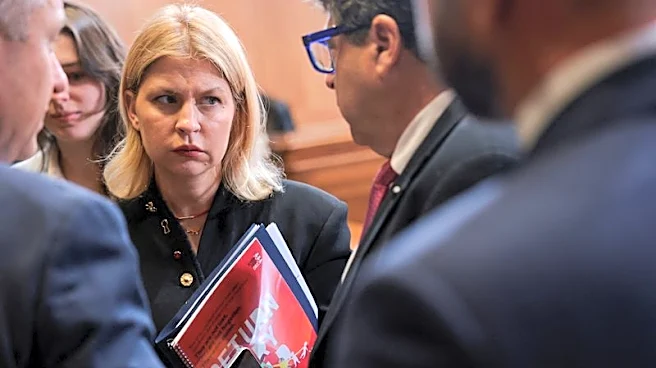
Ukraine's former ambassador to the U.S., Olha Stefanishyna, last week said Kyiv was also exploring the long-term purchase of PAC-3 interceptors, and swapping deliveries with other countries to get them sooner. She said Lockheed Martin was fully engaged and was working to send a team to Ukraine soon.
Lockheed Martin did not reply to a request for comment on the matter.
U.S. officials say licensing U.S. weapons production in Europe has been under active discussion since Russia's 2022 invasion exposed gaps in Europe's own arsenals, and some deals have already been struck.
Officials cautioned that opening new component lines is not simple, with production typically not starting until three to seven years after a licensing deal is signed.
Global stocks of the high-end missiles have dwindled since the Iran war, with Patriots earmarked for Ukraine diverted to the U.S. military and U.S. allies in the Gulf. Ukraine hopes that a production deal would allow it to rebuild its arsenal over time.
(Reporting by Andrea Shalal and Jonathan Landay; Additional reporting by Mike Stone; Editing by Andy Sullivan, Don Durfee and Edmund Klamann)