





By Nate Raymond
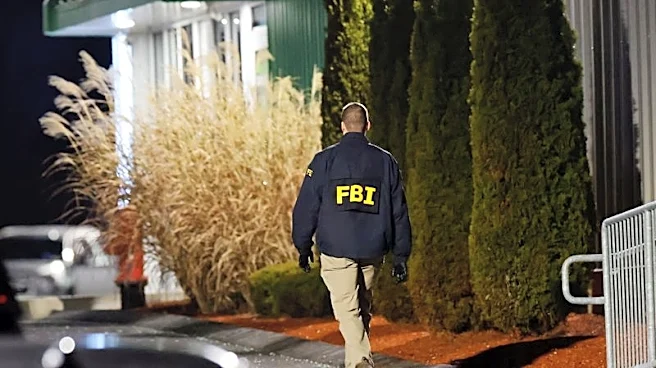
BOSTON, April 29 (Reuters) - The FBI said on Wednesday it had determined the suspected gunman behind December's fatal mass shooting at Brown University spent years planning the attack and was "driven by an accumulation of grievances that he collected throughout his life."
The FBI's Boston division detailed investigators' assessment in a joint announcement with federal prosecutors in Massachusetts after concluding a significant portion of their probe into the accused gunman, Claudio
Neves Valente.
Authorities say the 48-year-old Portuguese national slipped into an engineering building on the Ivy League campus on December 13 and opened fire with a handgun, killing two students and injuring nine others.
He went on to kill a Massachusetts Institute of Technology professor, Nuno Loureiro, in a separate shooting at his home outside Boston on December 15, authorities say. Neves Valente was found dead from a self-inflicted gunshot wound on December 18 at a New Hampshire storage facility following a manhunt.
Prosecutors had in January released transcripts of video recordings Neves Valente made before his death in which he admitted to planning the attack. But prosecutors said he did not provide a motive for targeting his victims.
Investigators have in the months since pored over thousands of files of surveillance footage, analyzed 815 videos and 1,327 audio files found on Neves Valente's electronic devices and conducted more than 260 interviews, the FBI said.
The FBI said that Neves Valente in the recordings said he began planning the attack in 2022, when he first acquired a storage unit in Salem, New Hampshire.
The FBI said it determined he acted alone and his victims were "symbolic in nature," saying Brown University and Loureiro represented to Neves Valente "his personal failures and injustices he perceived were inflicted by others over time."
Neves Valente attended Brown two decades ago after completing a physics program at Instituto Superior Tecnico in Portugal, which he attended with Loureiro. He withdrew from Brown in 2001 and left the United States.
He later obtained lawful permanent residency in the U.S. in 2017 while living in Florida. He was unemployed when the shootings occurred, and the FBI said his "inflated sense of self contributed to interpersonal conflicts in his life and led him to believe he was being treated unjustly."
The agency said it believed that as his failures outweighed his successes, Neves Valente's "paranoia increased, compounding his continued inability to thrive, leading to him being mentally unwell and committed to dying."
(Reporting by Nate Raymond in Boston; Editing by Chris Reese)