









By Sneha S K
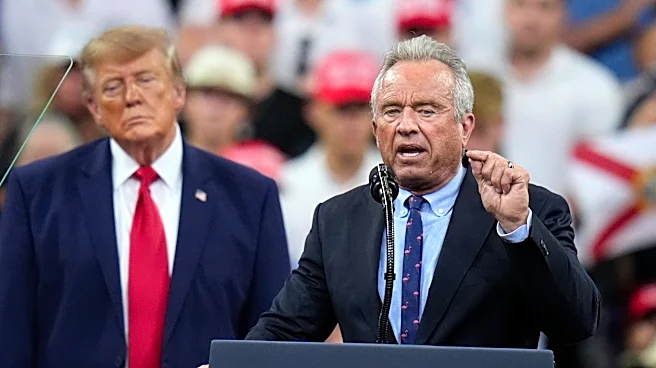
Oct 28 (Reuters) - US Health Secretary Robert F. Kennedy Jr. on Wednesday pushed forward a policy allowing licensed pharmacies and physicians to compound certain unapproved peptides while regulators consider whether to formally permit their use in compounded medicines.
Published in the Federal Register as Kennedy's "enforcement discretion policy," it enables US compounding of six peptides, including the popular BPC-157 and TB-500 — often taken together in a combination popularly known
as the "Wolverine stack" — without fear of FDA reprisal.
The other peptides are epitalon for insomnia, KPV for wound healing and inflammatory conditions, MOTS-c for obesity and osteoporosis, and Semax for migraines and chronic pain.
Kennedy has supported broader access to peptides, calling himself a "big fan" of the treatments, and has pushed the idea that the FDA would lift restrictions on them, saying Americans were importing unsafe products.
An FDA advisory committee, including several panel members with ties to peptide-selling businesses or clinics, made a recommendation this July that the agency allow all six peptides in compounding.
The FDA's staff had recommended against doing so. The Department of Health and Human Services said previously all members cleared standard ethics checks.
Compounded drugs are not FDA-approved, meaning the agency does not review their safety, effectiveness or quality before they are marketed. The FDA has some oversight for compounding facilities with the state pharmacy boards.
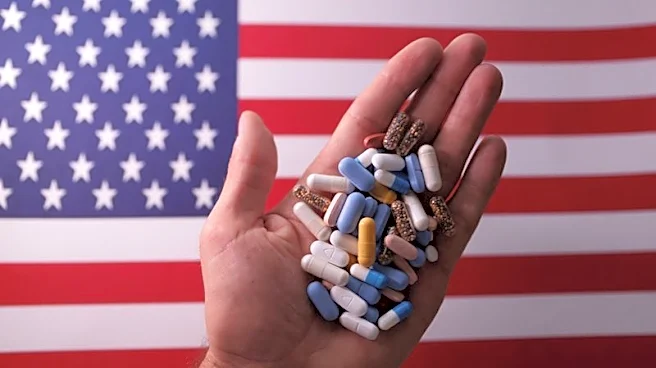
Peptides, or short chains of amino acids, have boomed in popularity over the past year, driven by endorsements from wellness influencers, for uses ranging from anti-aging to muscle recovery and tissue repair.
Robert Steinbrook, director of Public Citizen's Health Research Group, criticized the move, saying Kennedy had acted "recklessly and unilaterally" by allowing the compounding of unapproved peptides.
Steinbrook said the policy could expose patients to risks such as contamination, impurities and unknown side effects, and argued that peptide substances should undergo the standard FDA drug approval process before being manufactured and prescribed.
The policy said the agency would not take enforcement action against compounders making certain peptides if they meet requirements on ingredient quality, manufacturing standards, safety reporting, labeling and patient-specific prescriptions.
HHS did not respond to a request for comment on the policy.
REGULATORY CLARITY
This policy will discourage the continued, widespread use of certain research-use-only peptides supplied by foreign manufacturers that pose a safety risk to US patients, and improve patient access, HHS said.
"There is significant interest in the use of these peptides in compounding given the lack of approved products," it said, describing it as an interim policy.
Lee Rosebush, chair of the American Academy of Peptide Medicine, described the policy as a "landmark regulatory milestone" and said it cleared the path for both clinical innovation and expanded access to peptide medicine.
The policy said HHS may reconsider if safety signals or product-quality problems emerge.
The policy could amplify tension between federal and state regulators, said Jeff Cohen, co-founder of the American Peptide Association, adding that states may not follow the federal move to relax rules.
Analysts estimate the peptide industry could quickly become a $2 billion to $3 billion market if legitimized.
Telehealth companies such as Hims & Hers Health have been preparing to roll out peptide offerings once cleared by federal regulators.
(Reporting by Sneha S K, Kamal Choudhury and Siddhi Mahatole in Bengaluru; Editing by Shilpi Majumdar, Maju Samuel, Vijay Kishore, Caroline Humer and Leroy Leo)