
By Howard Schneider
WASHINGTON, March 19 (Reuters) - An overnight jump in oil prices on the heels of a hawkish Federal Reserve policy meeting has further narrowed the window for the interest rate cut President Donald Trump has demanded and upped the odds that his nominee to lead the U.S. central bank may need to tighten borrowing costs early in his tenure.
The escalation in the U.S.-Israeli war with Iran, which has led to oil and gas fields being targeted, drove benchmark crude prices above $118 a barrel
before they fell back on Thursday morning. The average cost of U.S. gasoline rose to $3.88 a gallon, marking a roughly 30% jump from the price before the start of the joint U.S.-Israeli bombing campaign.
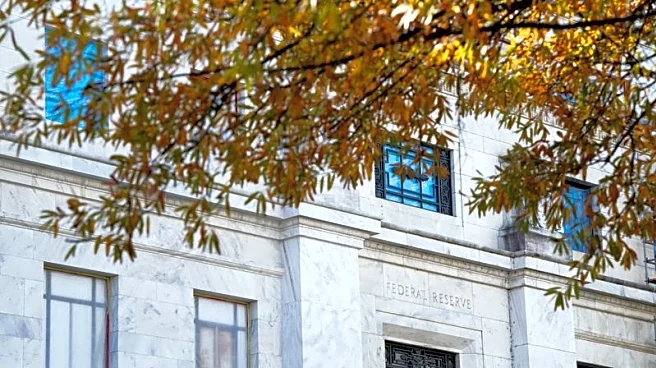
The sudden shift in the geopolitical outlook has pushed major central banks into a cautious stance, and Fed policymakers on Wednesday were no exception as they penciled in higher inflation for the year than previously anticipated.
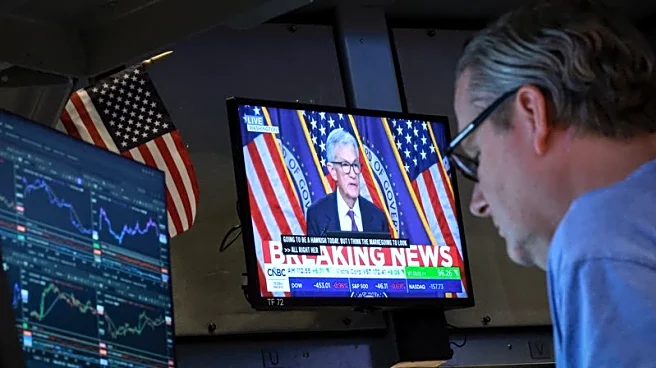
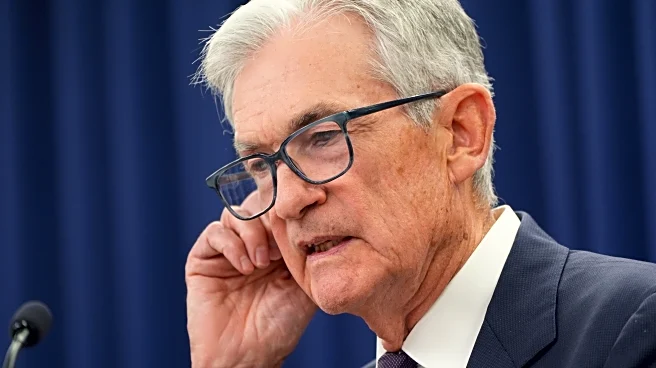
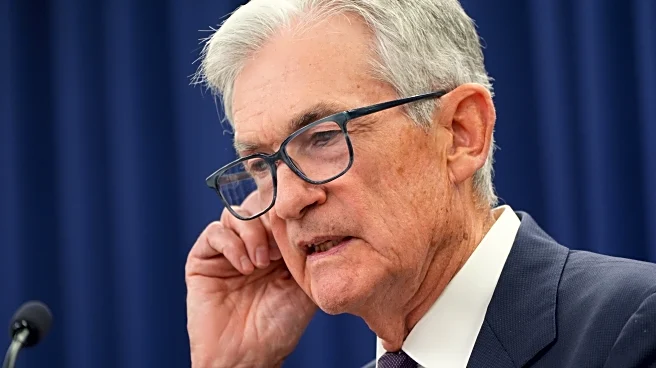
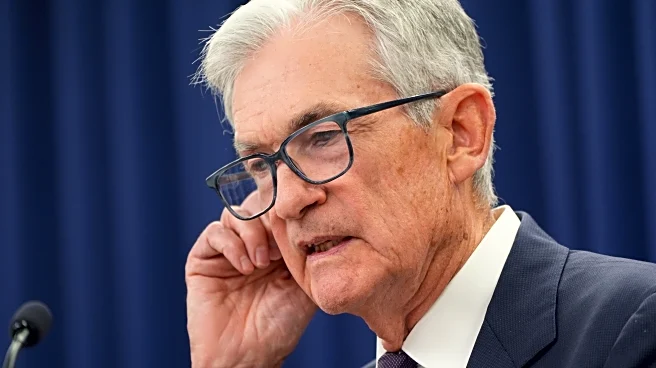
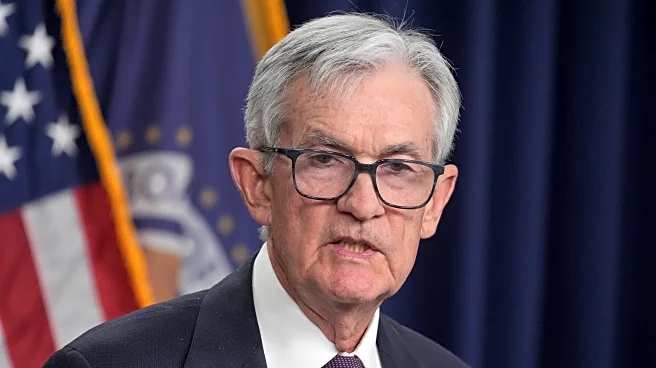
While U.S. central bank policymakers' new projections still anticipate a single quarter-percentage-point rate cut this year, Fed Chair Jerome Powell cautioned that any projection at this point should be taken with a "grain of salt" given the uncertainty about how long the war will last, how high oil prices might go, and what the global fallout will be in terms of inflation and any blow to growth as consumers shift their spending patterns or scale back on purchases.
Investors see inflation risks as paramount and the U.S. central bank likely sidelined from any interest rate changes, a blow to Fed chief nominee Kevin Warsh's outlook, announced in press interviews and news articles before he was chosen to replace Powell, that the central bank could cut rates and count on rising productivity to safely lower inflation.
As of Thursday morning, investors were putting roughly equal odds of about 10% on a Fed rate hike versus a rate cut by the end of this year, though that positioning was again shifting.
(Reporting by Howard Schneider; Editing by Paul Simao)