





By Saqib Iqbal Ahmed, Dhara Ranasinghe and Ankur Banerjee
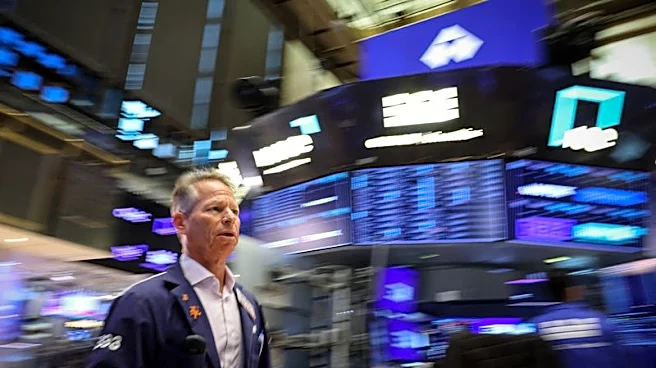
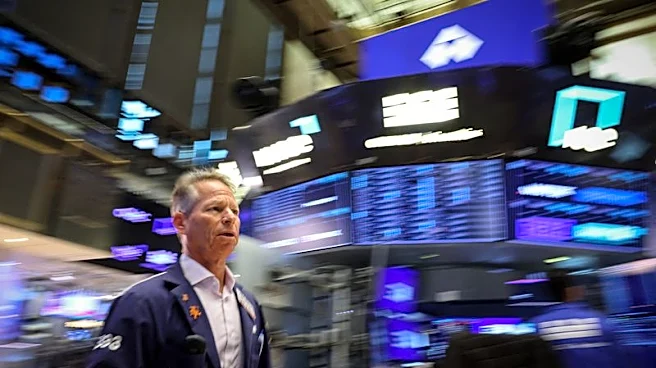
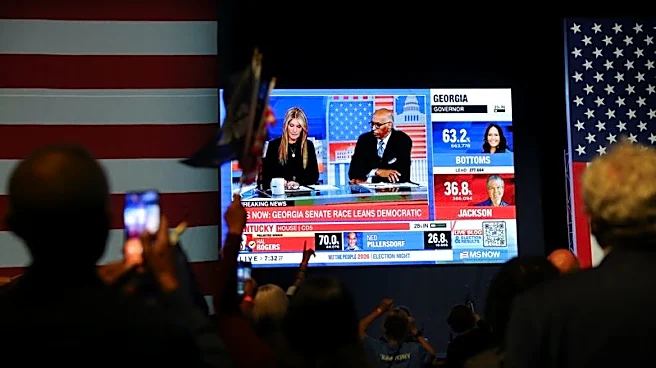
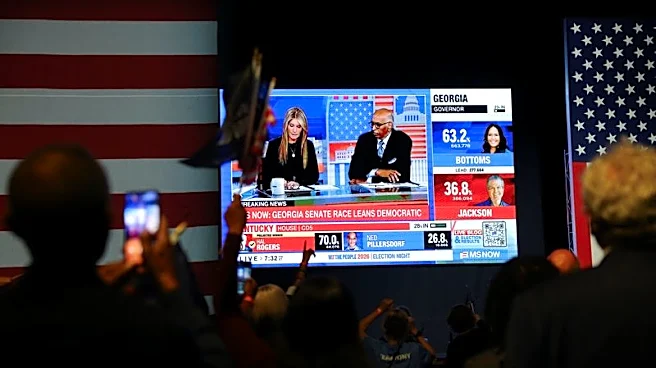
NEW YORK, Nov 4 (Reuters) - Over the past two years, the Trump administration's sweeping policy shifts in the absence of opposition from a Republican-controlled Congress repeatedly buffeted global markets, from tariffs to the Iran war. On Wednesday, as investors digested a historic Democratic sweep in US midterm elections, markets rallied.
The reason: a bet that gridlock in Washington would curb some of the worst-case outcomes in areas such
as the Iran war, even though there were fresh worries, most notably about the backlash against AI infrastructure buildout that has driven economic growth and corporate profits, investors said.
"Gridlock is the market's friend," said Mark Hackett, chief market strategist at Nationwide. "Regardless what either side is saying right now, anything that isn't absolutely necessary is very unlikely to pass in the next two years, which does add to the predictability of the environment for investors."
Markets have been jittery for weeks about how the election would affect the fiscal outlook, the AI regulatory backdrop and the Iran war, leading to inflationary pressures and debt worries that wreaked havoc in bond and stock markets in recent weeks. Now, investors say they are treating the results as a license to add to risk.
Global stocks rallied, with all three main Wall Street indexes trading higher. Treasuries rose as well as investors expect the gridlock to cut government spending, with AI regulation also possibly slowing growth and reducing the need for rate hikes.
Beyond domestic policy, investors were also weighing geopolitical risks. After the results, US Vice President JD Vance distanced himself from President Donald Trump's war on Iran, questioning its worth and blaming it entirely for the Republican's electoral rout.
"For now, there appears to be no immediate move toward escalating tensions with Iran, which should help keep energy prices and inflation pressures contained," JoAnne Bianco, senior investment strategist at BondBloxx, said in a note.
Market seasonality also paints an encouraging picture: Since 1946, the S&P 500 has returned 19.9% on average in the 12 months following midterm elections, according to a Glenmede analysis.
FROM AI BUILDOUT TO DEBT
Fears that rapid AI sector growth could be hamstrung by regulatory scrutiny weighed heavily on investors going into the election. Opinion polls have shown Democratic voters favouring more control over AI, and investors expect the Democratic-controlled Congress to apply more scrutiny to the sector.
However, the immediate market reaction has not proved as troubling as some had feared, investors said. And pressure from Democrats might rein in the pace of data center construction, helping to ease financing concerns.
On Wednesday, shares of deep-pocketed hyperscalers, including Amazon.com, Meta Platforms and Alphabet rose, while shares of data center operators IREN, Hut 8, Applied Digital and Core Scientific fell. Chip stocks also came under pressure with the PHLX Semiconductor Sector Index sinking.
"That's the market saying we've been asking for more of a rational trajectory of spending and now we're more likely to get that," Nationwide's Hackett said.
Investors still have to grapple with how far a Democratic-led Congress might go in policing the AI sector, but they showed little appetite for dumping the shares of the big spenders behind the AI buildout.
FISCAL FALLOUT
Treasury yields fell, with analysts expressing relief that Trump's promise to hand out $5,000 checks to US adults in the event of a Republican victory would not materialise.
Democratic control of Congress is likely to mean stronger oversight of fiscal policies and restraint on what Trump can do in terms of increased spending, said Phoenix Kalen, Societe Generale's global head of emerging markets research.
"That places tighter limits on fiscal policy and should help to ease pressure a bit on US bond yields," she added.
Concern about a US debt pile that recently topped $40 trillion has helped push up government bond yields this year.
Congress postponed a contentious debate over fiscal 2027 spending until after the midterms, setting up a December 11 deadline to reach a funding agreement.
Although the deadline for raising the debt ceiling is unlikely to arrive until late 2027, Democrats could use the so-called X-date as leverage in negotiations with Republicans over spending and tax policy, pressing for concessions in exchange for votes to address the borrowing limit.
While the market's first reaction to the election results is relief, not everyone is counting on continued calm.
"We expect market volatility to continue," said Seema Shah, chief global strategist at Principal Asset Management. "It will be a white-knuckle ride for the next year."
(Reporting by Saqib Iqbal Ahmed In New York, Dhara Ranasinghe in London and Ankur Banerjee in Singapore; additional reporting by Lewis Krauskopf, Laura Matthews, Chuck Mikolajczak, Amanda Cooper and Karin Strohecker; Editing by Alexandra Hudson, Kirsten Donovan)