





By Jonathan Spicer and Ahmed Rasheed
ANKARA/BAGHDAD, May 13 (Reuters) - Just two weeks after Turkey's parliament made recommendations on how to advance the country's peace process with Kurdish militants, the Iran war broke out, plunging the Middle East into fresh instability and bringing new doubts on both sides.
Turkey has warned of the risk of new Kurdish mobilisations in Iran and Iraq and, according to a government official, played a key role in quashing a short-lived U.S.-Israeli idea to back a Kurdish militant
ground invasion of Iran from Iraq.
Since then, Ankara and the Kurdistan Workers' Party (PKK) have dug in to watch the fallout of the war, each refusing to move next and stalling efforts to end the four-decade conflict, according to interviews with Turkish officials, lawmakers, and representatives of the northern Iraq-based PKK.
For now, both President Tayyip Erdogan's government and the militant group are unwilling to take bold steps - especially with the region destabilised, the interviews show.
The government appears reluctant to enact legislative reforms including a potential amnesty for former PKK fighters, and to give the group's jailed leader an official role in the peace process. Ankara says the PKK must fully disarm first.
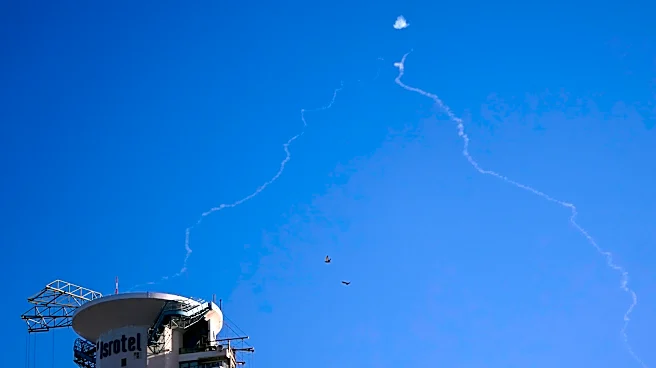
The PKK, which announced its dissolution last year, says doing so would leave it exposed, so legislation must come first. Senior PKK officer Murat Karayilan was quoted as telling the PKK-linked Firat News Agency that it would be "irrational" to lay down arms without Turkish legal guarantees at a time that war "drones and missiles are flying overhead".
WAITING FOR DEMOCRATIC REFORMS
Erdogan says the peace process will carry on. But some stakeholders are frustrated that no legislative steps have been taken three months after a parliamentary commission urged reforms.
"It is unequivocal that there is a pause, but not a complete halt," said Gulistan Kilic Kocyigit, a senior lawmaker from the pro-Kurdish DEM Party.
The government's demand for a full disarmament now is "unrealistic" and it has given no clear reason for delaying democratic reforms, she said. "I believe that they are, to some extent, waiting for developments in Iran and the broader Middle East."
Failure to achieve peace would prolong one of the world's longest-running conflicts, which has killed more than 40,000 people since 1984 and spilled into Syria.
PEACE PROCESS HIT BY WAR FALLOUT
Turkey has warned it was closely monitoring Kurdish militant groups in the region, including factions historically linked to the PKK, amid the war.
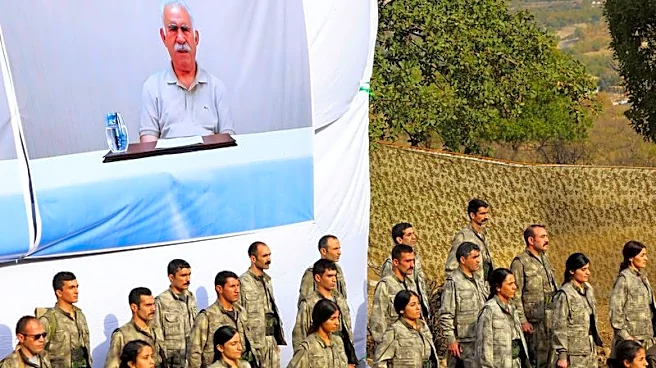
In late April, pro-government newspaper Turkiye Gazetesi reported that Turkey's spy chief made a presentation to ruling AKP party members showing that the PKK had taken no further disarmament steps beyond a symbolic weapons-burning ceremony last summer, delaying the peace process.
Asked about delays, Zagros Hiwa, PKK political wing spokesperson, told Reuters that Turkey had "unilaterally frozen" the peace process in part to boost the ruling party's political prospects.
A Turkish presidency spokesperson referred to Erdogan's recent speeches on the matter. In these he has repeated the peace process is disconnected from domestic politics, and has good momentum as it reaches a key crossroads. He has also dismissed "pessimists".
TURKEY TO HOLD NEW ELECTIONS AS SOON AS NEXT YEAR
The stakes are high for Turkey's long-time leader. The collapse of a previous 2013-2015 peace effort was followed by one of the deadliest phases of the conflict. The PKK is deemed a terrorist organisation by Turkey, the United States and the European Union.
Some opinion polls show Turks, including ethnic minority Kurds - who could be critical in Erdogan's reelection campaign - are growing less convinced that peace will ultimately be achieved. A Konda Barometer survey in December found 79% of respondents believe the state was wrong to engage with PKK leader Abdullah Ocalan, including 62% of Erdogan's ruling AKP party voters.
Erdogan's nationalist ally, MHP leader Devlet Bahceli - who sparked the peace process - said last week Ocalan should be granted an official role to get things back on track.
The government has yet to respond.
(Reporting by Jonathan Spicer in Ankara and Ahmed Rasheed in Baghdad; Editing by Alexandra Hudson)