







FRANKFURT, June 2 (Reuters) - Euro zone inflation accelerated further last month on higher energy and services costs, bolstering the already strong case for a small European Central Bank interest rate hike later this month, Eurostat data showed on Tuesday.
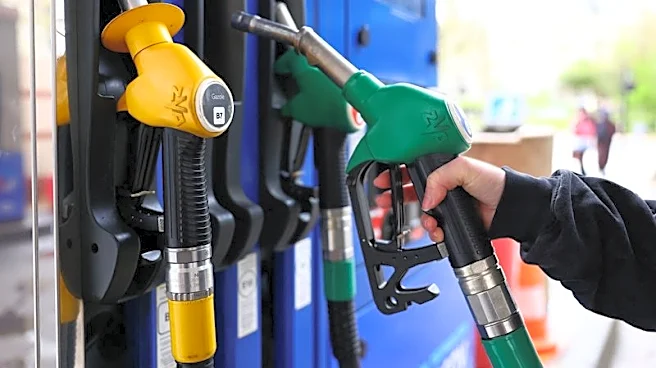
Consumer prices in the 21 nations sharing the euro rose to 3.2% in May from 3.0% a month earlier, well above the ECB's 2% target but in line with a Reuters poll. The increase was driven by a 10.9% inflation rate in energy costs and 3.5% increase in services
prices.
In a development likely to worry policymakers, underlying inflation - which excludes volatile energy and food prices - also picked up, rising 2.5% from 2.2% in April on services and a small pick up in industrial goods inflation.
While the figures are closely watched by the ECB, they are unlikely to shift near-term policy expectations. Policymakers have already made clear that higher inflation justifies an increase in borrowing costs.
Financial markets have almost fully priced in a 25-basis-point rate hike on June 11, with one or two more expected in the autumn. Elevated energy prices risk seeping into the broader economy and triggering more persistent inflation pressures.
Even if the war were to end soon, the argument goes, damage to energy infrastructure and corporate supply chains has already been done, making normalisation slow and keeping prices high well into the second half of the year.
Still, any tightening is expected to be modest - far less aggressive than the record series of rate hikes in 2022 - as weaker underlying growth limits firms' ability to pass on higher costs.
Indicators from PMI surveys to the ECB's own data point to growing pressure on the real economy, and further downgrades to already subdued growth forecasts look likely as the Iran war drags on and high energy prices weigh.
Europe is a net energy importer and its industrial sector - already hit by the loss of cheap Russian gas following Russia's invasion of Ukraine and by higher U.S. tariffs - is reeling.
Households are sitting on ample savings and could sustain spending, but past experience suggests consumers are quick to turn cautious when the newsflow darkens.
Unlike during the 2022 inflation surge, the labour market is also softer, reinforcing that caution, economists say.
That suggests high energy prices may generate fewer second-round effects on inflation than four years ago, easing some pressure on the ECB to act aggressively.
(Reporting by Balazs Koranyi. Editing by Mark Potter)