





By Karen Brettell
NEW YORK, Sept 25 (Reuters) - US Treasury yields stabilised on Friday with benchmark 10-year note yields edging lower on the day as oil prices dropped, after they earlier set fresh multi-decade highs, with traders pricing in further Federal Reserve interest rate hikes.
Stocks, meanwhile, were buoyed by continued enthusiasm for the AI trade.
Oil prices fell about 3% on mounting hopes for a truce between the US and Iran, even as traders worried that increasing attacks against Saudi Arabia
by Houthi fighters could disrupt supply from the Middle Eastern producer.
US Treasury yields have reached their highest levels since the financial crisis on persistent worries about higher inflation.
“While the latest signs of diplomatic progress in the Middle East have tentatively eased geopolitical concerns, the market remains unconvinced that a normalization of global energy supply is on the horizon,“ said Ian Lyngen, head of US rates strategy at BMO Capital Markets. “Daily momentum is bearish in the bond market.”
The benchmark 10-year Treasury yield fell 0.37 basis points to 5.158%, after earlier reaching 5.2297%, the highest since 2007.
The 30-year bond yield rose 2.63 basis points to 5.4883% and earlier reached 5.5319%, the highest since 2004.
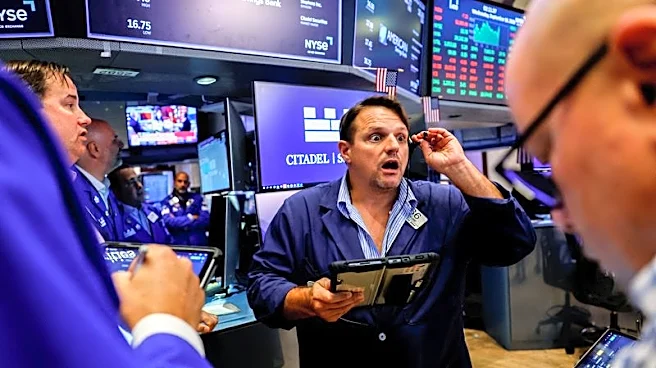
The ICE BofA MOVE Index, a measure of bond-market volatility, jumped roughly 30% this week, the largest increase since the Liberation Day tariff turmoil of April 2025.
US consumer sentiment slipped to a four-month low in September amid worries that rising inflation would erode households' purchasing power, a survey showed on Friday.
Elsewhere, Japan's 10-year bond yield touched 3.121%, a level not seen since 1996. Five of the Group of 10's most influential central banks have raised rates this month, while the rest have either signaled an upcoming hike or warned of rising inflation.
STOCKS STAY BUOYANT
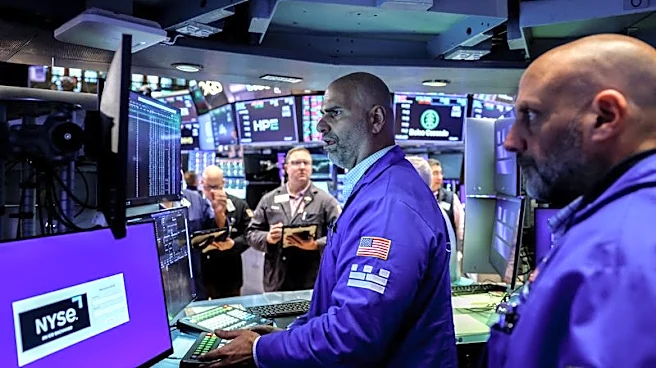
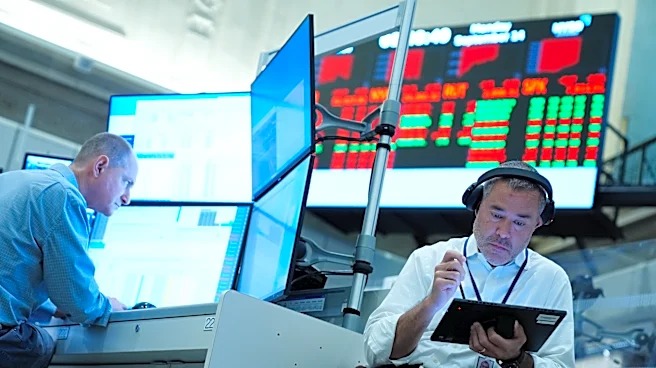
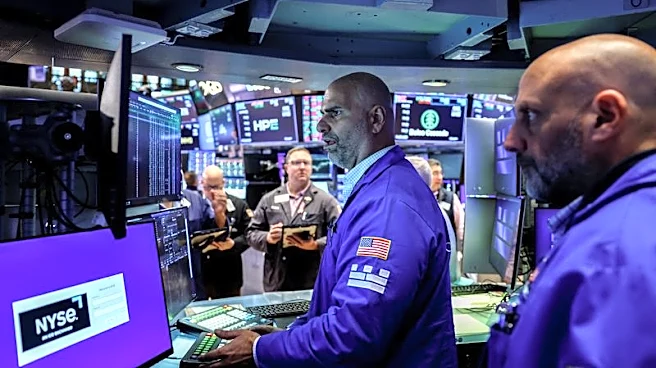
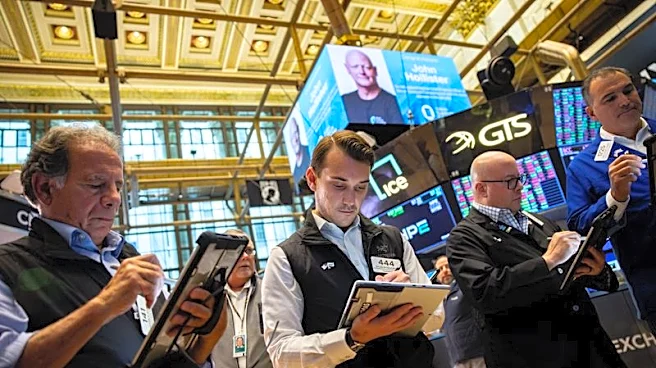
Stocks have remained relatively resilient despite the bond market turmoil, with US stocks rallying on AI-driven optimism and hopes for improved Middle East energy supplies.
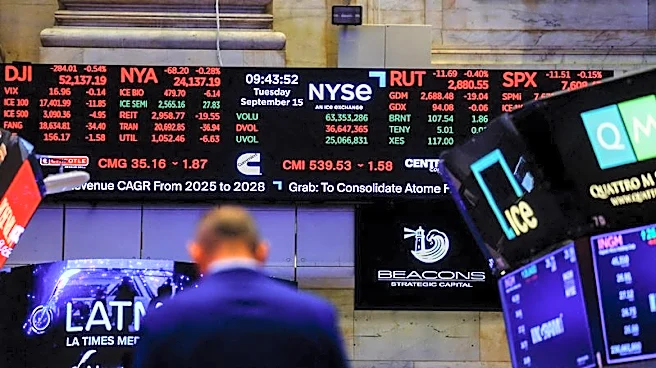
The Dow Jones Industrial Average rose 0.93%, the S&P 500 gained 0.51% and the Nasdaq Composite increased 0.48%.
Microsoft rallied 3.66%, lifting its 2026 gain to 7%, after the software giant unveiled several new capabilities in its Copilot app, including a coding tool and an always-on AI agent.
MSCI's gauge of stocks across the globe rose 0.53%. The pan-European STOXX 600 index rose 0.35%.
Meanwhile, US President Donald Trump welcomed Chinese President Xi Jinping to the White House on Thursday for a lavish summit that was heavy on symbolism but light on substance, with no sign of breakthroughs on thorny issues such as AI, trade, Taiwan and the war with Iran.
DOLLAR OPTIMISM
The dollar dipped against the euro on Friday though analysts see expectations for further Fed tightening keeping the US currency firm.
In a Friday report, Morgan Stanley analysts led by David S. Adams said they now expect dollar strength to persist through year-end and into 2027, citing favorable interest rate differentials versus peers, robust US growth, and heightened political risk in Europe.
The euro was last up 0.14% at $1.1395.
Against the Japanese yen, the dollar weakened 1.01% to 157.22. Japan's Finance Minister Satsuki Katayama said Trump raised concern about yen weakness during a summit with Japanese Prime Minister Sanae Takaichi earlier this week.
Spot gold rose 0.31% to $4,291.25 an ounce.
(Reporting by Karen Brettell, Amanda Cooper, Dhara Ranasinghe and Stella Qiu; Editing by Kirsten Donovan, Mark Potter, Gareth Jones and Cynthia Osterman)