

By David Shepardson
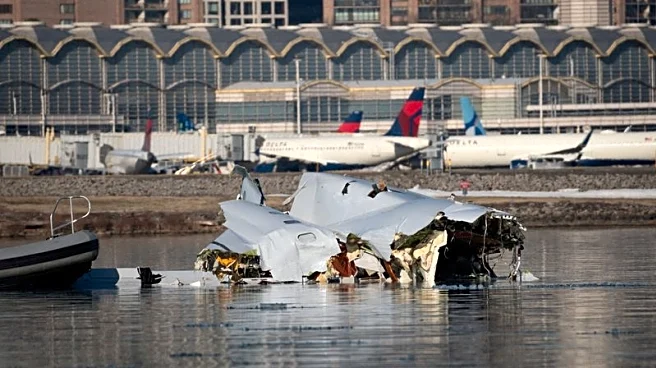
WASHINGTON, Feb 3 (Reuters) - The U.S. Senate Commerce Committee plans to hold a February 12 hearing with the head of the National Transportation Safety Board after the agency found a series of systemic failures by the Federal Aviation Administration led to a devastating mid-air collision that killed 67 people last year.
The January 2025 collision between an American Airlines regional jet and an Army Black Hawk helicopter near Ronald Reagan Washington National Airport (DCA) was
the deadliest U.S. aviation disaster since November 2001.
The panel will hear testimony from NTSB Chair Jennifer Homendy as lawmakers seek to win approval of an air safety reform bill that has stalled in the U.S. House.
Senate Commerce Committee chair Ted Cruz said he believes the House will quickly take up the bill that would require aircraft operators by the end of 2031 to equip their fleets with a key airplane tracking system known as ADS-B that also boosts oversight of commercial jet and helicopter traffic and flight routes near commercial airports.
Separately, the committee on Tuesday voted to advance the nomination of an American Airlines pilot and safety official to serve on the NTSB. John DeLeeuw, managing director of safety and a Boeing 787 captain, was named to fill the seat of Alvin Brown, an appointee of the Biden administration who was dismissed by the White House in May.
The NTSB determined the accident was caused by the FAA's decision to allow helicopters to travel close to the airport with no safeguards to separate them from airplanes and its failure to review data and act on recommendations to move helicopter traffic away from the airport.
Homendy said the airport's air traffic control tower personnel repeatedly sought to raise concerns only to get "squashed by management ... This was 100% preventable."
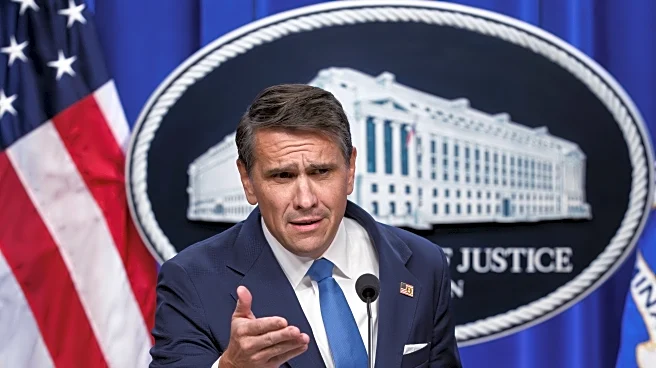
The board also cited failings in the Army safety culture and the Army pilot's failure to properly see and avoid the passenger airplane. In December, the Justice Department said the federal government was liable in the crash due to the actions of the Army helicopter and the FAA air traffic controller.
The National Transportation Safety Board said last year that since 2021, there were more than 15,200 occurrences between commercial airplanes and helicopters with lateral separation distance of less than 1 nautical mile and vertical separation of less than 400 feet, and 85 close-call incidents during that period.
(Reporting by David Shepardson in Washington; Editing by Aurora Ellis)