




By David Shepardson
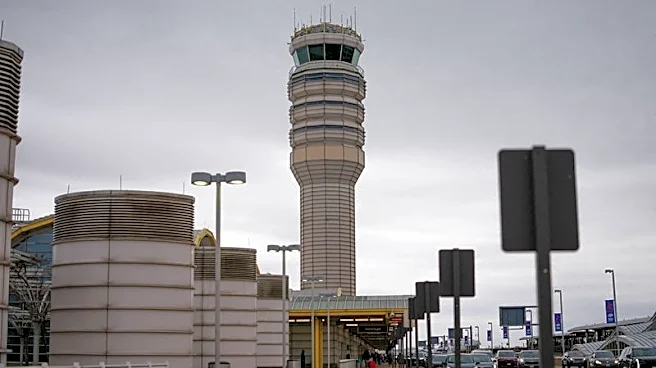
Sept 22 (Reuters) - The US government is developing a modern, resilient air traffic control system that will not experience massive telecom outages like the one that disrupted thousands of flights this week, U.S. Transportation Secretary Sean Duffy said on Tuesday.
"This won't happen in the future with the new architecture. There'll be no single or dual points of failure. There's multiple routes that we can bring telecom into all of our facilities," Duffy told Fox News' "Fox and
Friends."
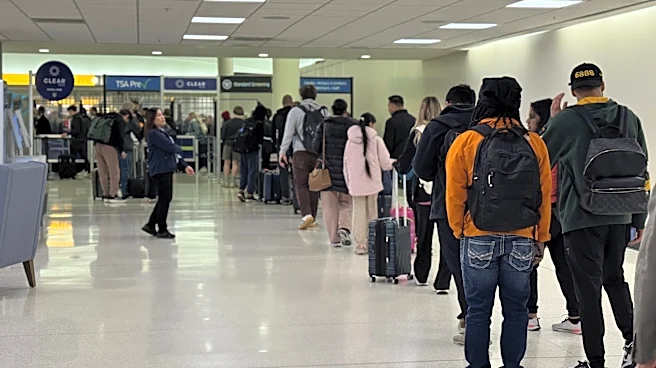
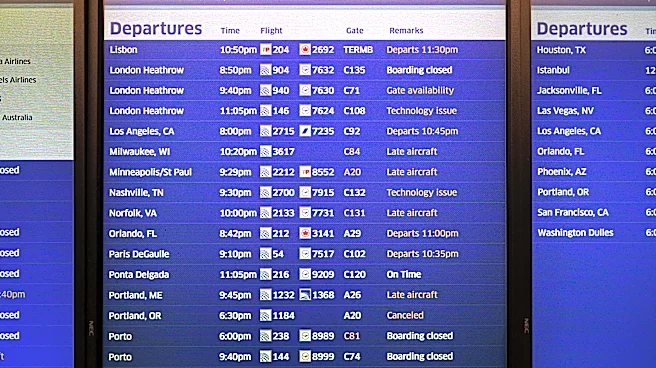
On Monday, about 9,500 U.S. flights were delayed or canceled after the failure of a telecom switch and an accidentally cut fiber optic cable, forcing the Federal Aviation Administration to halt flights for hours to airports in New York, Philadelphia, Boston and Washington.
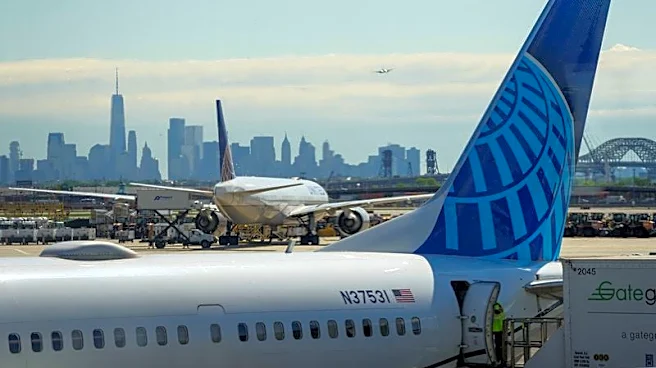
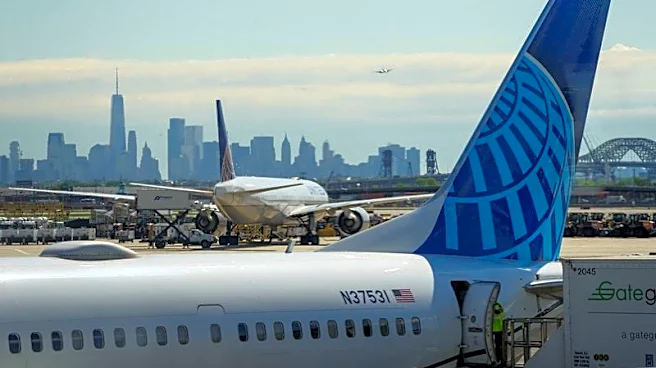
Operations were largely normal on Tuesday. More than 600 were canceled Monday at Newark Liberty, or more than half the flights at the airport, a major United Airlines hub. As of 10:30 a.m. about 60 flights had been canceled and another 70 delayed.
The incident demonstrated the fragility of the aging US air traffic control system. Last year, Congress awarded $12.5 billion for upgrades.
The price tag for telecommunications upgrades has jumped $4.75 billion to $5.91 billion, a government report last week said. FAA Administrator Bryan Bedford said outdated telecom copper wires should be completely replaced by September 2027.
The issue started around 9:45 a.m. Monday when workers accidentally cut a telecom line in New Jersey used by the FAA. This forced a halt to incoming flights at major airports on the day that 130 world leaders and dozens of ministers were arriving in New York for the annual high-level meeting of the United Nations General Assembly.
The FAA stopped arrivals at all three major New York-area airports as well as Philadelphia, Washington Reagan and Boston and two smaller airports in the New York area. The problems were not fully resolved for eight hours.
The issue also forced the diversion of more than 100 flights to other airports.
(Reporting by David ShepardsonEditing by Nick Zieminski and David Gregorio)