



By Johan Ahlander and Tom Little
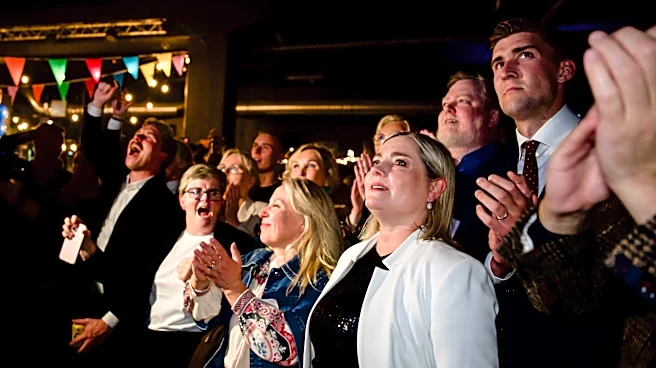
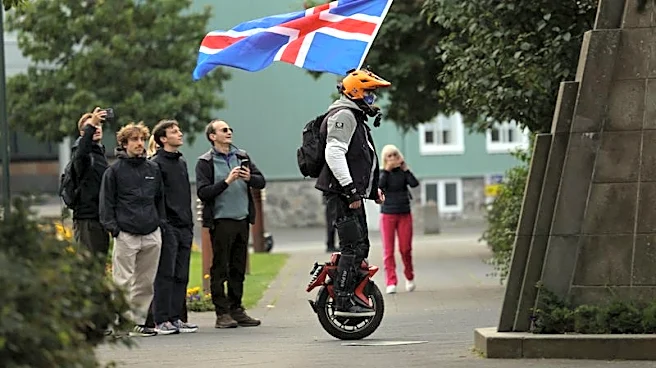
REYKJAVIK, Aug 30 (Reuters) - Icelanders voted to stay out of the European Union, referendum results showed on Sunday, as they rejected a government push to reopen membership talks and sided with those who said Iceland's fishing waters were too important to risk.
The Arctic island of 400,000 people has debated whether to join the EU for well over a decade and had initially been narrowly expected to back holding membership talks, but opinion polls this month showed views
had changed.
In Saturday's referendum, 52.8% of ballots cast were against the government's proposal to hold negotiations with Brussels, 47.2% were in favour, and 82.5% of eligible voters took part, public broadcaster RUV and other Icelandic media reported.
The government framed membership as a shield against trade wars and Arctic rivalry and presented the referendum as a "now or never" moment. Prime Minister Kristrun Frostadottir said a "no" would end the debate for as long as her centre-left coalition was in power.
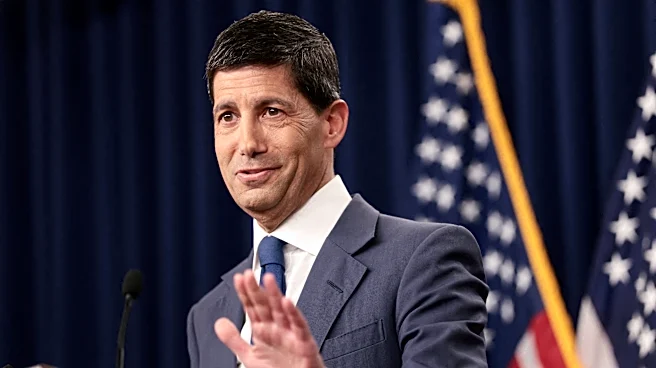
A government press conference is scheduled for 1 p.m. (1300 GMT).
DECADES OF MEMBERSHIP DEBATE
In Brussels, some officials had voiced hopes a vote to join from Iceland could ease scepticism toward EU enlargement and strategically strengthen the bloc when Arctic security is in focus.
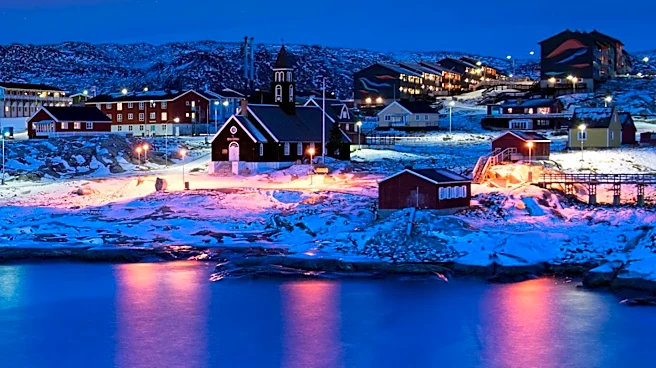
U.S. President Donald Trump has repeatedly said he wants to do a deal to acquire another Arctic island, Greenland.
More broadly, geopolitical turmoil, including war in the Middle East, has stoked inflation and increased the vulnerability of smaller economies.
Iceland first applied to join the EU in 2009 when a financial crisis hit the country's small, exposed economy. A Eurosceptic government ended talks in 2013.
INTEREST RATES AND THE COST OF LIVING
Debates inside Iceland have focused on interest rates, fishing rights and the cost of living rather than on security.
Iceland has grappled with high inflation and interest rates that have made mortgages expensive. Supporters of a "yes" vote have said EU membership, and possibly adopting the euro, could bring relief. Iceland's central bank interest rate is 8%, compared with 2.25% at the European Central Bank.
"It would not solve Iceland's structural faults, but it could become a catalyst to a more healthy economy," said chief economist Vilhjalmur Hilmarsson at Viska, one of Iceland's largest labour unions.
Opposition leader Gudrun Hafsteinsdottir, who led the "no" campaign, said the economic case is overstated. "These are not problems that Brussels will solve for us. These are problems that Icelandic politicians must solve," she said.
Voter Ragnhildur Skarphedinsdottir, 70, said Iceland was managing well on its own and that she was voting "no".
"By staying independent as we are, we look brightly to the future," she said before casting her ballot in Reykjavik.
Under EU rules, fishing quotas are based on historical fishing patterns, among other factors. Some Icelandic officials have said Iceland would therefore retain control of its waters, since no EU country has fished there for decades.
Hafsteinsdottir disputes that. "I know that the European Union will come up with some promises of some flexibility, especially in the beginning, but we know that it will not be for good," she said.
(Reporting by Tom Little and Johan Ahlander in Reykjavik and Stine Jacobsen and Louise Rasmussen in Copenhagen; Writing by Stine Jacobsen; Editing by Terje Solsvik, Christopher Cushing and Barbara Lewis)