
By Dave Sherwood
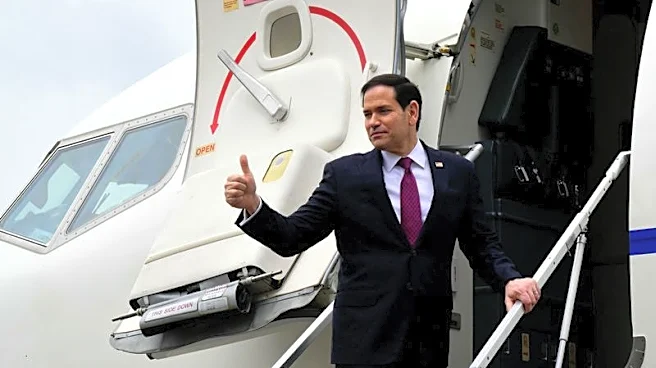
HAVANA, May 21 (Reuters) - U.S. Secretary of State Marco Rubio has made no bones about who he blames for Cuba's economic woes.
The culprit, according to the Cuban American politician, is
a military conglomerate known by its initials GAESA.
"Cuba is controlled by GAESA," Rubio said on Wednesday in a video message in Spanish addressed to the Cuban people. "A 'state within the state' that is accountable to no one and hoards the profits from its businesses for the benefit of a small elite."
Cuba's leadership rarely talks publicly about GAESA. It has long held that such discretion is necessary to confront a U.S. trade and financial blockade that severely complicates the island's business with the outside world.
WHAT IS GAESA?
GAESA stands for Grupo de Administración Empresarial - or 'business administration group.' It is a sprawling conglomerate of military-run businesses, widely seen as the island's most profitable and efficient.
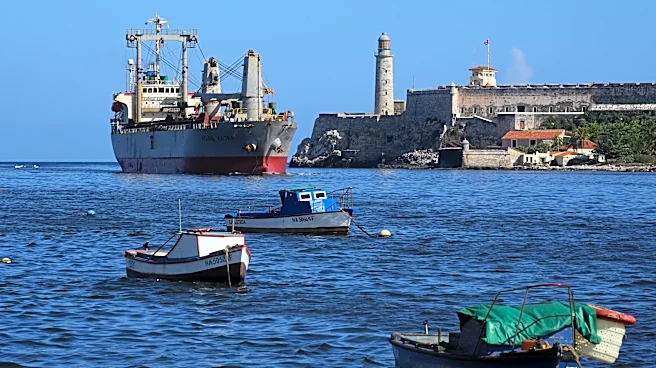
GAESA controls many of the Caribbean island's five-star hotels, its largest port at Mariel, its top commercial bank, plus a vast array of supermarkets, gas stations and remittance businesses.
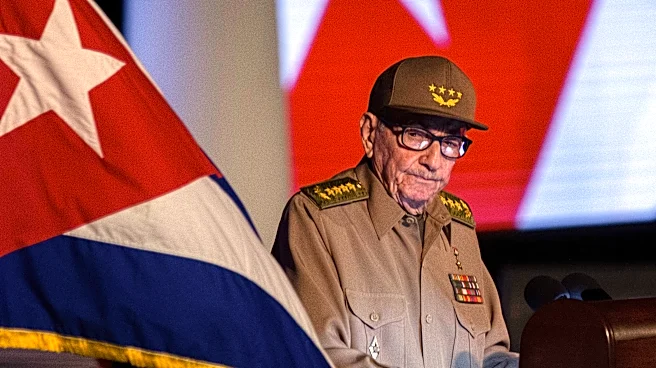
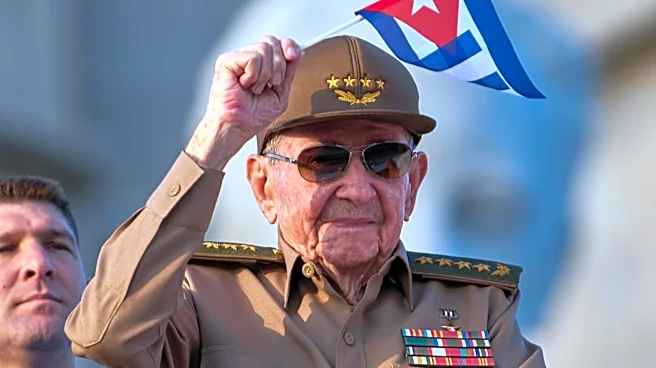
The tightly controlled umbrella group was established in the 1990s by then defense minister Raúl Castro and is controlled by the island's Revolutionary Armed Forces.
Luis Alberto Rodríguez López-Calleja, Raúl Castro's former son-in-law, headed GAESA until his death in 2022. His successor, Brigadier General Ania Guillermina Lastres, was hit with U.S. sanctions earlier this month by the administration of President Donald Trump.
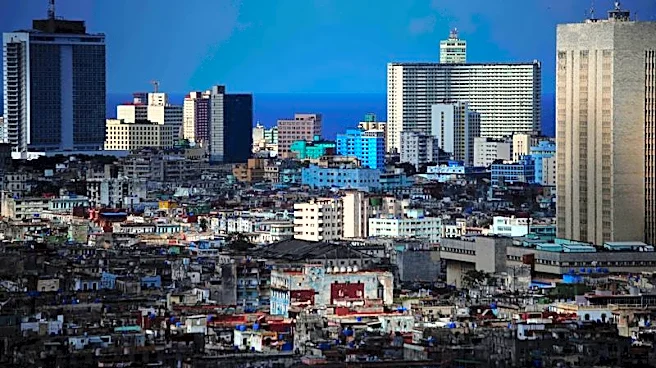
Perhaps the most visible display of GAESA's prominence in Cuba is the so-called Torre K, a 42-story building that is home to the five-star Iberostar Selection La Habana hotel and is the tallest on the island.
Its construction, linked to GAESA businesses, was completed in 2025, at a time when tourism was foundering. The tower and hotel now sit idle and empty.
WHAT DOES THE UNITED STATES SAY ABOUT GAESA?
Rubio mentioned GAESA eight times during his five-minute message to the Cuban people.
The Trump administration accuses GAESA of hoarding profits from the country's most valuable industries and using them for the benefit of the military and the Cuban elite.
"The real reason you don't have electricity, fuel, or food is because those who control your country have plundered billions of dollars, but nothing has been used to help the people," Rubio said.
The U.S. has repeatedly imposed sanctions on GAESA businesses, effectively prohibiting any U.S. tourism to GAESA-held hotels.
WHAT DOES CUBA SAY ABOUT GAESA?
Cuba denies GAESA enrichment or corruption is at fault for the current economic crisis, and points to recent comments from United Nations experts that a Trump administration fuel blockade has led to "energy starvation" with grave consequences for human rights and development.
Otherwise it says very little about the conglomerate. An online search of top Communist Party newspaper Granma turned up just seven hits with the term "GAESA" in 20 years. The citations are sparse and devoid of information.
Few Cuban officials comment publicly on GAESA, and the conglomerate's finances do not appear in the communist-run government's budget.
Various public officials have over the years suggested the secrecy is necessary to ensure the operation of strategic businesses that generate foreign exchange amid severe U.S. sanctions.
In 2024, Gladys Bejerano, then Cuba's comptroller general and top auditor, told Spanish news agency EFE that GAESA was not under her purview and that the military-led business group had "superior discipline and organization."
HOW BIG IS GAESA REALLY?
There is no public information about how much of Cuba's economy is controlled by GAESA. Outside estimates range from 40% to 70%.
Rubio said GAESA has revenues three times greater than Cuba's current budget.
"Today, while you suffer, these businessmen have $18 billion dollars in assets and control 70% of Cuba's economy," he said.
Last week, Cuba's embassy in the UK posted on X that a Miami Herald report that cited the $18 billion figure had inflated GAESA's wealth by 24 times.
"Basic accounting dismantles this 'bombshell,'" the embassy said. "Why the deception? Inventing a secret $18 billion hoard provides a convenient political excuse to tighten the very illegal sanctions that suffocate the Cuban population."
(Reporting by Dave Sherwood in Havana; Editing by Christian Plumb and Rosalba O'Brien)