






By Anna Szymanski
June 12 (Reuters) -
From the Editor
Hello Morning Bid readers!
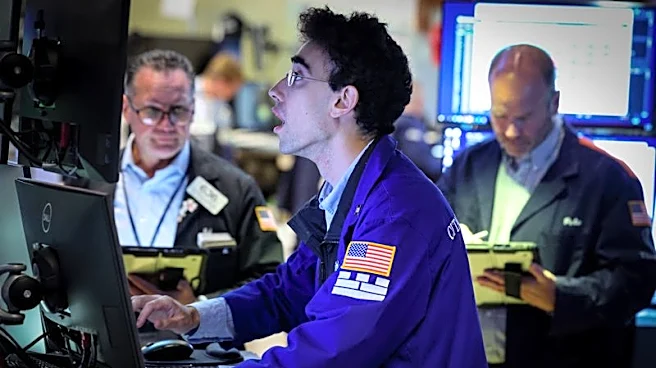
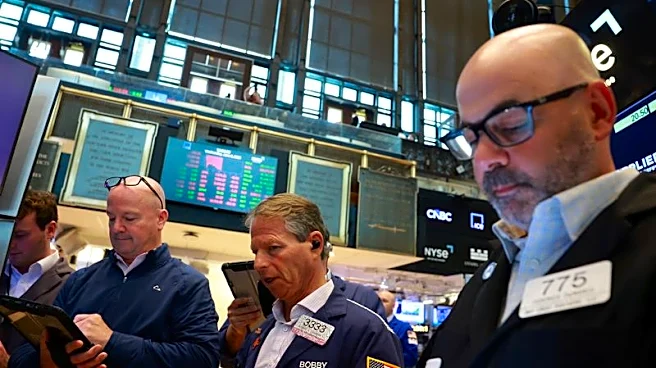
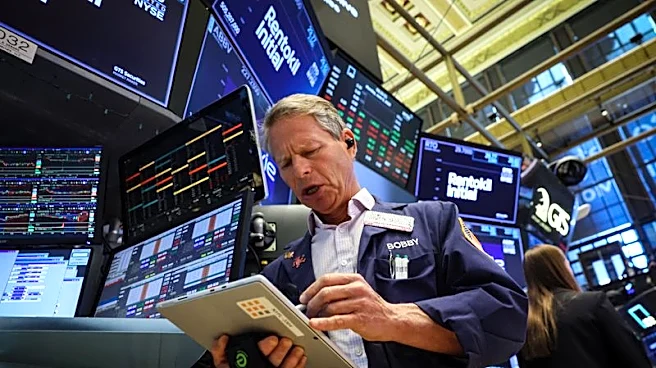
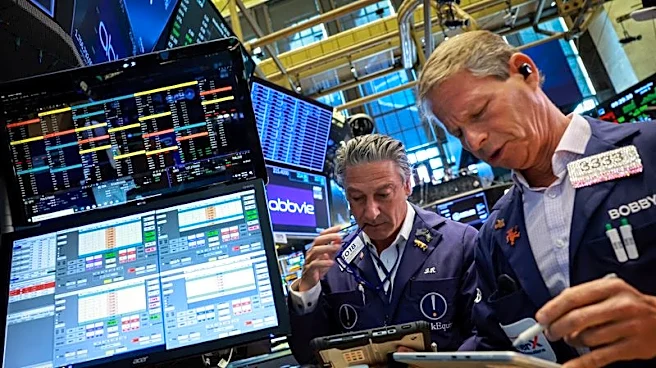
It was a stop-and-start kind of week both on Wall Street and in the Gulf, as tech stocks wavered heading into the historic IPO from Elon Musk's SpaceX and fresh fighting broke out in the Middle East. Could news on Thursday of a potential deal between the U.S. and Iran signal "risk on"? Maybe, unless equity indigestion sets in.
Public listings were obviously the main market story of the week, as SpaceX priced the biggest IPO
in history on Thursday, raising a record-breaking $75 billion at a $1.77 trillion valuation. This makes Musk the world's first trillionaire. Given the abnormally large allocation to retail investors – and lousy track record for large tech IPOs in the weeks following listings – the question now is whether these small players might get burned.
This is only the start of a string of mega-cap public offerings. Earlier in the week, OpenAI said it had confidentially filed for an IPO, one week after its rival Anthropic made the same announcement. OpenAI said that it did not yet have a timeline for the listing, but Reuters previously reported that the ChatGPT maker was considering coming to market as early as the second half of 2026, targeting a $1 trillion valuation.
And it's not just the massive IPOs making waves on Wall Street. Super Micro Computer plunged on Wednesday after announcing plans to raise $7 billion in equity offerings to help it meet its growing AI server demand.
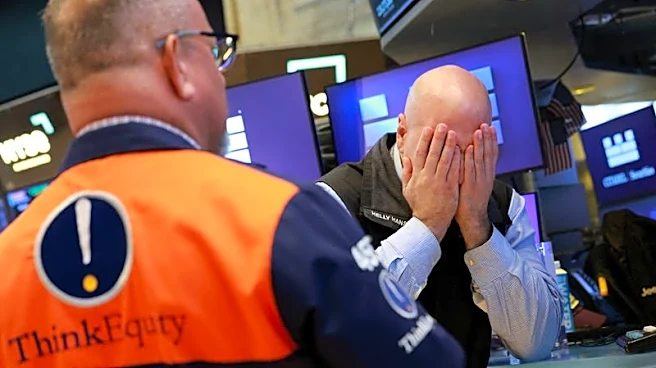
Of course, the AI rally has been showing signs of froth for months. Can it handle this tsunami of new equity, especially given the prospect of rising interest rates, which have historically been kryptonite for market rallies? We may soon find out.
Chances for a rate hike were bolstered by the latest U.S. CPI print. Annual headline inflation rose by the most in three years in May to hit 4.2%, mainly due to higher energy prices, while core edged up to 2.9%. This was all largely as expected – and even cheered by President Donald Trump, apparently because of the slightly lower-than-forecast core print – but it still means inflation has now been over the Fed's 2% target for five years and counting.
U.S. producer prices also increased sharply in May, with the annual rate beating economists' forecasts to hit 6.5%, the highest in over three years – again, largely due to higher energy prices.
While markets expect the Federal Reserve to sit on its hands at its June 17 meeting, they are pricing in a strong chance of a 25-basis-point rate hike by December. All this will certainly make for an uncomfortable debut for new Fed Chair Kevin Warsh, who has indicated in recent months that he thinks rates should be lower.
Staying with monetary policymakers, the European Central Bank voted, as expected, to raise its policy rate by 25 basis points on Thursday, its first hike in nearly three years, in response to rising price pressures.
Next up on the slate will be the Bank of Japan, which is expected to increase rates early next week. The country's wholesale prices jumped 4.9% in April from a year earlier, the fastest pace in three years, spurring worries that this could feed into broader inflation.
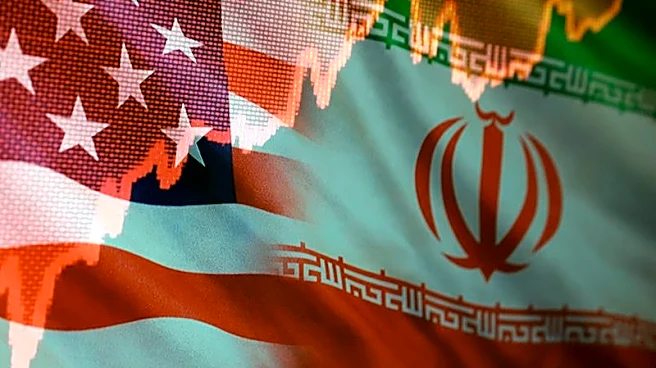
Of course, the global inflation picture is still largely dependent on two questions: when will the U.S.-Israeli war with Iran end and what will the final deal look like?
We may get some clarity on both points soon. President Trump said on Thursday a peace deal with Iran could be signed as early as this weekend. While Tehran said it had not made a final decision, the chances for a breakthrough appear the highest in weeks.
This followed days of tit-for-tat attacks between all sides in the conflict, with Iran first trading fire with Israel and then with the U.S. While the string of strikes and bellicose rhetoric may have looked escalatory, it followed the pattern of events that preceded the previous ceasefire announcement in April.
This may help to explain why crude prices didn't rise that much on the week's negative news – and then tumbled as hopes for a peace deal increased, with Brent falling below $90 a barrel on Friday morning.
The major caveat, of course, is that the biggest drivers of today's energy market are a host of unknowns, so more volatility could be in store even if a peace deal is inked.
Ultimately, top of mind for energy traders is when – and if – the critical Strait of Hormuz will fully reopen. Saudi Arabia and other Gulf producers might be eager for a return to normal operations, but Riyadh should perhaps be careful what it wishes for.
In the meantime, there are major questions about how much oil is currently transiting the strait. U.S. Energy Secretary Chris Wright said on Tuesday that oil exports through the narrow waterway were rising. Then, President Trump claimed on Wednesday that the U.S. military had secretly escorted ships carrying more than 100 million barrels of oil out of the strait. (ROI Energy Columnist Ron Bousso noted the apparent rise in stealth shipments through Hormuz last week.)
In related news, one of the many surprises during the Iran war has been the resilience of global trade. The latest data from the U.S. and China, for instance, showed cross-border commerce rising faster than economists had forecast. But there's a catch. Many of the recent bumper numbers have been driven largely by elevated prices – not volumes.
After all the stops and starts of the past five days, next week could offer some much-needed clarity. Stay tuned.
For more data-driven insights on markets and commodities, check out Reuters Open Interest. You can learn:
• Could AI become a public utility? President Trump and Senator Bernie Sanders suggest it could.
• When might the U.S. Treasury's spike in T-bill issuance become a problem?
• How has China's role in U.S. agriculture shifted during the Trump era?
• Which commodity has been the most unaffected by the Iran war – and could that change?
• What risk could stock-based compensation pose to the broader economy?
• Where might the true opportunity in stablecoins lie? (Hint: not in the crypto itself.)
• What could help make the "global euro" a reality?
• What underappreciated risk could hamper Europe's ability to rebuild its gas inventories?
• Why might nickel's early-year rally be vulnerable?
• What growing trend could help spur Germany's manufacturing rebound?
• Whether politicians should start governing as one-term wonders?
Want to receive the Morning Bid in your inbox every weekday morning? Sign up for the newsletter here. You can find ROI on the Reuters website, and you can follow us on LinkedIn and X.
Opinions expressed are those of the authors. They do not reflect the views of Reuters News, which, under the Trust Principles, is committed to integrity, independence, and freedom from bias.
(By Anna Szymanski; Editing by Emelia Sithole-Matarise)