







By Amanda Cooper
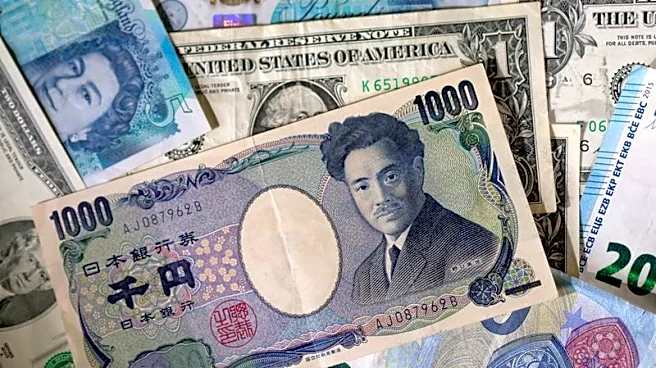
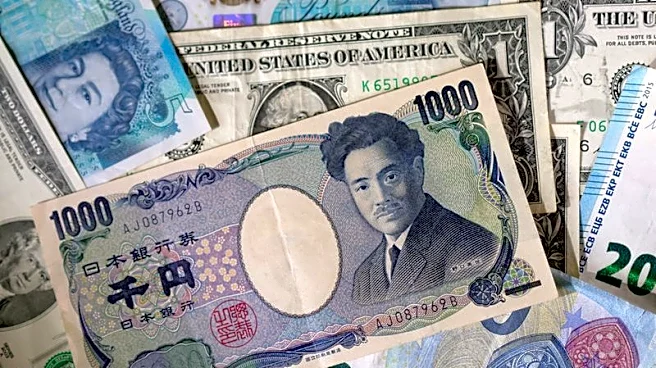
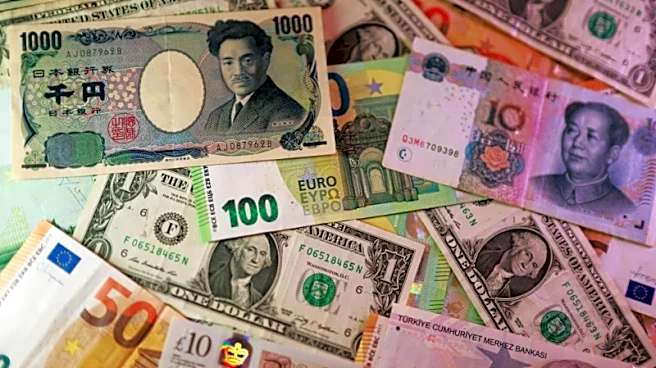
LONDON, Sept 10 (Reuters) - The dollar edged higher on Thursday, recovering some of this week's losses triggered by rising oil prices and global bond yields, while the euro held near two-week highs ahead of an expected European Central Bank rate increase.
Oil futures rose as much as 1.5% to $102.72 a barrel as energy flows from the Gulf slowed sharply following the biggest wave of attacks on shipping by Iran and the United States since the start of their war.
Adding to inflation worries
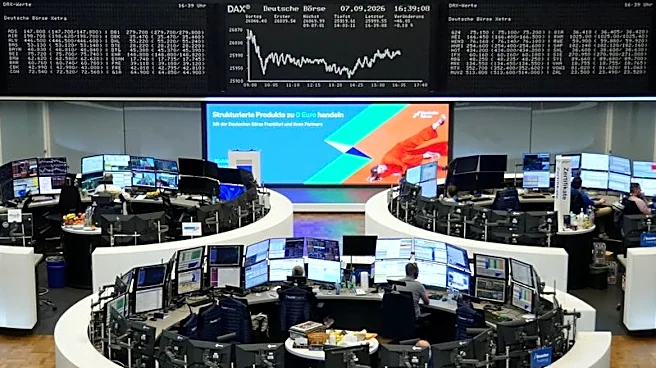
ahead of the European winter, prices for refined fuels such as heating oil and natural gas also surged. The ECB is expected to respond by raising euro zone rates for a second time since the war began in late February.
Renewed inflation concerns have pushed global bond yields back towards multi-decade highs, and to record levels in some markets, but have done little to generate safe-haven demand for the dollar.
The euro, which hit a two-week high of $1.1654 on Wednesday, was last at $1.1624, down 0.1% on the day.
Given Europe's reliance on imported energy, the single currency is typically highly sensitive to oil-price movements. That relationship has weakened as the war has dragged on, limiting support for the dollar.
The dollar index, which tracks the U.S. currency against major peers, rose 0.13%. It was still on course for a weekly decline of 0.26%, largely due to yen strength and the euro's resilience.
"There's a dynamic there where ultimately, safe-haven hedge policy is a dollar. It would be expected to have traded firmer, but it hasn't happened," said Richard Franulovich, head of FX strategy at Westpac Institutional Bank.
He added that markets were becoming less sensitive to oil shocks as the war dragged on, while debasement trades, global central bank tightening and a more interventionist U.S. Treasury were all weighing on the dollar in the background.
The Treasury intervened alongside the Bank of Japan to support the yen in late July, selling euros rather than dollars. Earlier this week, Treasury Secretary Scott Bessent said he favoured using Washington's financial power as a foreign policy tool, while the Treasury announced a larger bond buyback operation for Thursday to curb rising long-term yields.
CENTRAL BANK DECISIONS AHEAD
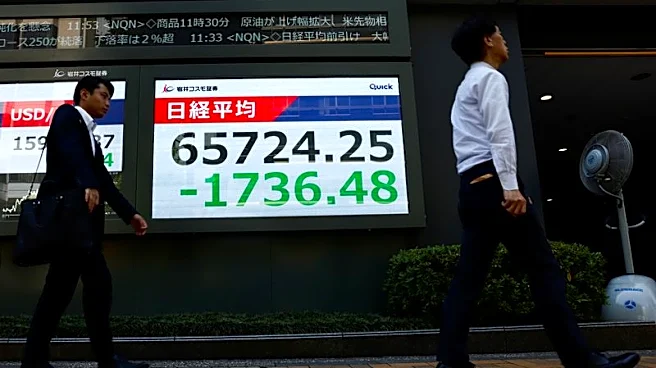
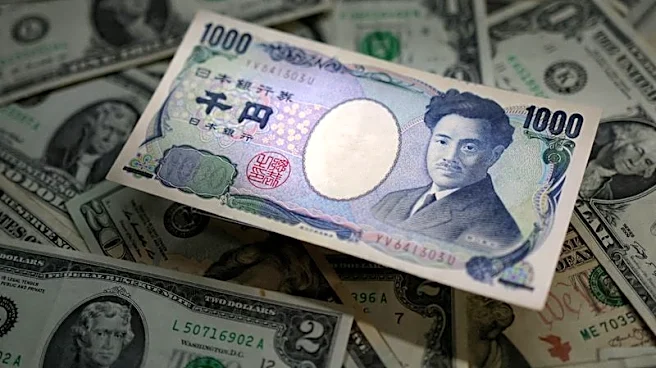
The yen has gained more than 6% since the late-July intervention. On Thursday, it traded at 154 per dollar as the greenback rose 0.35%, leaving the Japanese currency not far from seven-month highs ahead of an expected BOJ rate hike next week.
U.S. inflation data will also be key for the yen outlook, including producer prices due later on Thursday and consumer prices on Friday. The figures could influence whether the Federal Reserve raises interest rates at its meeting on September 15 to 16.
Traders are pricing in about a 60% chance of a Fed rate hike this month after Friday's stronger-than-expected nonfarm payrolls report.
"While higher inflation may warrant tighter policy, additional rate hikes would also increase government borrowing costs at a time when fiscal deficits and debt servicing burdens are already under scrutiny," said Lloyd Chan, senior currency analyst at MUFG.
Higher U.S. rates could erode any yield advantage created by a BOJ hike and limit further gains in the yen.
"We believe it is premature to conclude that the 155 to 165 range for dollar/yen should be revised lower," strategists at JPMorgan said in a note.
Elsewhere, the offshore Chinese yuan traded around 6.707 per dollar, near its highest in nearly four years, after data showed China's producer and consumer price inflation rose due to higher energy costs.
(Additional reporting by Jiaxing Li in Hong Kong. Editing by Kate Mayberry and Mark Potter)