








FRANKFURT, May 29 (Reuters) - Inflation in the euro zone's four largest economies hovered above the European Central Bank's 2% target for a third straight month in May, preliminary data showed on Friday, as a rise in fuel costs triggered by the Iran war began to feed through to other prices.
Readings from France, Italy, Spain and some of Germany's largest and most economically important states are likely to cement the case for a rate hike from the European Central Bank next month and stoke worries
about whether high inflation is beginning to take root in the euro zone.
National gauges of price growth rose in France, to 2.8% from 2.5%, and in Italy, to 3.2% from 2.7%, but remained stable in Spain at 3.2% and fell in most German states that have reported so far, including Bavaria and Baden-Wuerttemberg. Germany implemented a fuel discount for May and June as part of a package to cushion the impact of higher petrol prices.
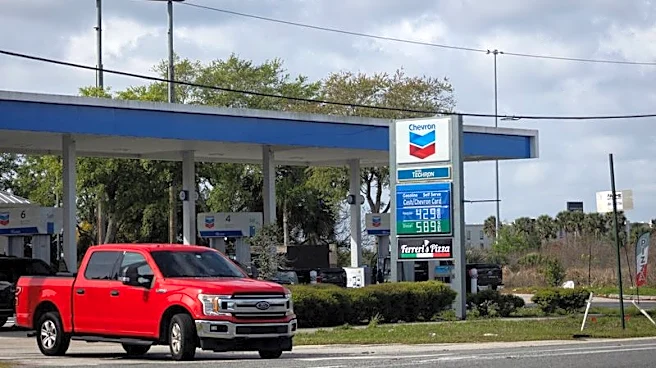
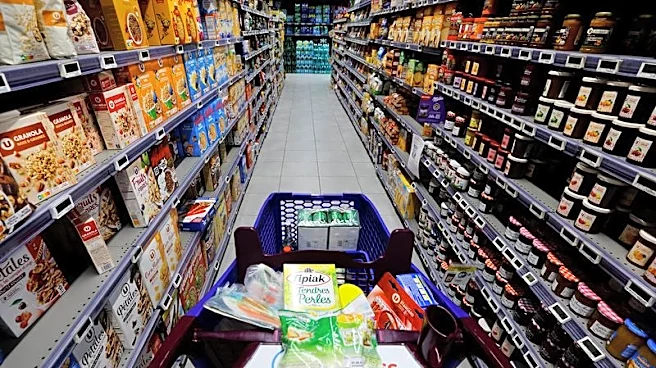
Both Spain and Italy reported strong increases in the price of transport and entertainment activities, a likely sign of the knock-on effect of higher fuel costs. France saw a 4.1% jump in the cost of fresh food and a slight increase in services inflation.
"We are not at the peak yet," said Nadia Gharbi, a senior economist at Pictet Wealth Management, who expects euro zone inflation to rise until August. "A lot will depend on the situation in the Middle East and we have as a baseline that the situation will normalise by the end of June."
Hopes of a deal to end the war between the United States and Iran have pushed oil prices down substantially since the end of April, with a barrel of Brent crude selling for $92 versus $118 back then. Still, prices remain well above the around $70 a barrel level seen just before the war.
Euro zone-wide data due on Tuesday is expected to put headline inflation at 3.3% in May, with a core gauge excluding energy, food, alcohol and tobacco at 2.4%.
Measures of underlying inflation rose both in Italy, to 1.8% from 1.6%, and in Spain, to 2.9% from 2.8%.
"This information so far hints at a further rise in headline inflation, and some increase in core inflation," JPMorgan economist Raphael Brun-Aguerre said in a note.
France continued to see deflation in manufacturing prices, strengthening the view that the current inflation shock should be smaller than the one that followed the COVID pandemic and Russia's invasion of Ukraine in 2022, according to Bersingeco economist Sylvain Bersinger.
(Reporting by Francesco Canepa; Editing by Kirsten Donovan)