

By Shubham Batra and Nikunj Ohri
NEW DELHI, Feb 12 (Reuters) - India's key inflation rate accelerated to 2.75% in January, the maiden print under a revised data series showed on Thursday, returning to the central bank's target band for the first time since August.
The new series seeks to capture changing consumption patterns in the world's most populous country, with revised weighting for components such as food and housing and an updated base year of 2024.
In one of the most notable changes, the government
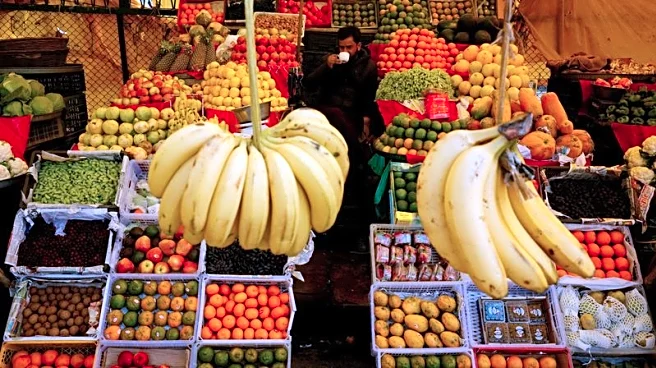
has sharply cut the weightage of food, one of the most volatile components of the retail price index, to roughly 37% from around 46% earlier.
Benign inflation and high economic growth have prompted the Reserve Bank of India (RBI) to cut interest rates steeply over the last year, even though it held rates earlier in February.
The RBI targets inflation in a 2%-6% range. Last week, the central bank raised its inflation projection for the current financial year to 2.1% from 2%.
The January inflation print was higher than a Reuters poll projection of 2.4%. Annual retail inflation under the old series stood at 1.33% in December.
India's late September consumption tax cuts are expected to keep inflation in check going ahead, while an interim trade deal with the U.S. has lifted a key overhang for the economy, which is estimated to grow between 6.8% and 7.2% in 2026/27.
“We do not expect the new inflation series to materially influence policy in the near term. An extended rate pause looks likely, underpinned by a cyclical upturn in both growth and inflation and improving confidence following the conclusion of the U.S.–India trade negotiations,” said Madhavi Arora, chief economist at Emkay Global Financial Services.
A SMALLER FOOD BASKET
A high weighting for food in the previous inflation data series had led to volatility in the key price gauge.
In 2024, supply shocks had prompted the government's economic adviser to suggest a review of the central bank's inflation targeting framework to exclude food.
However, former RBI Governor Shaktikanta Das had said that food inflation could not be ignored due to its heavy weight in the consumption basket. A review of the central bank's inflation targeting framework is due next month.
For January, food price inflation stood at 2.13% year-on-year.
The government did not release comparable annual data for key components under the new series but data showed a sequential decline in food prices, with the cost of a broader basket of goods remaining broadly stable.
Prices of food items such as tomatoes rose 64.8% in January, while prices of gold and platinum jewellery spiked 46.8%.
Most items, which form part of core inflation and exclude volatile commodities including food and energy, recorded inflation of around 3%, said Paras Jasrai, associate director at India Ratings and Research.
Inflation may now be driven more by core components than food, making monetary policy focused on aggregate demand pressures rather than dealing with supply-induced inflation, India's Chief Economic Adviser V Anantha Nageswaran told reporters after the data was released.
OTHER CHANGES UNDER NEW SERIES
The revised consumer price index will expand major spending categories to 13 from six earlier and start tracking e-commerce and digital services, airfare, telecom plans and some online services after a nationwide survey showed Indians are spending more through online platforms.
The series will also collect data from streaming platforms such as Netflix and Amazon.com’s Prime Video.
(Reporting by Shubham Batra and Nikunj Ohri in New Delhi; Editing by Mrigank Dhaniwala and Sonia Cheema)