






By Indradip Ghosh
BENGALURU, Oct 1 (Reuters) - Factory growth in the euro zone continued its upward march in September, hitting its fastest rate in more than four years, as resilient demand drove new orders and output to multi-year highs despite the ongoing Middle East conflict, a survey showed.
S&P Global's Eurozone Manufacturing Purchasing Managers' Index (PMI) rose for a third consecutive month to 52.9 in September from 52.7 in August, its highest level since May 2022 and above a preliminary estimate
of 52.7.
A reading above 50.0 indicates growth.
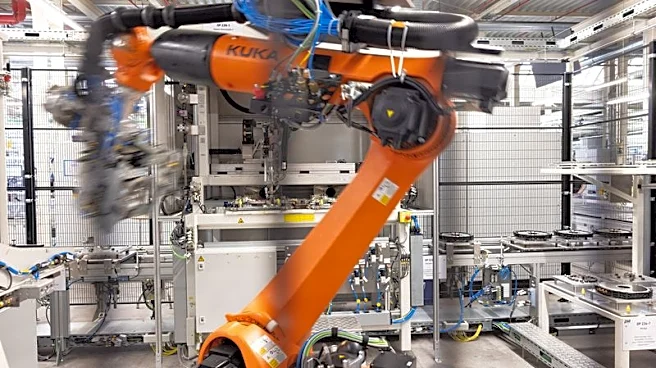
"The upturn is being driven by rising demand for investment goods such as machinery and equipment, with output of these capital goods growing in September at a rate not seen since the post-COVID rebound five years ago," said Chris Williamson, chief business economist at S&P Global Market Intelligence.
"This reflects higher demand for AI and defence-related equipment in particular."
Growth was broad-based across the bloc, with the Netherlands leading the expansion. Germany, the region's largest economy, recorded solid growth while expansion was modest in France, Italy and Spain.
New orders expanded at their fastest rate since early 2022, helped in part by export growth that hit a more than four-and-a-half-year high.
The output sub-index climbed to a 55-month high of 53.6, supporting a rise in business confidence to its strongest level since February.
After ending a more than three-year run of job cuts in August, manufacturers stepped up hiring in September, albeit modestly.
However, rising prices could threaten the recovery. Both input and output inflation accelerated last month, pointing to mounting inflationary pressures. Official data due on Friday is expected to show inflation rose to 3.6% in September from 3.2% in August, the highest since September 2023.
Elevated inflation expectations have increased chances of further rate hikes from the European Central Bank with markets currently pricing in three rate hikes by mid-2027.
"Demand for consumer goods continues to fall ... with the increased cost of living acting as a drag on household spending," added Williamson.
"It’s therefore worrying to see both input costs and selling prices rising at increased rates again in September, which will fuel speculation about additional rate hikes from the ECB."
(Reporting by Indradip Ghosh; Editing by Toby Chopra)