




By Andrew Osborn
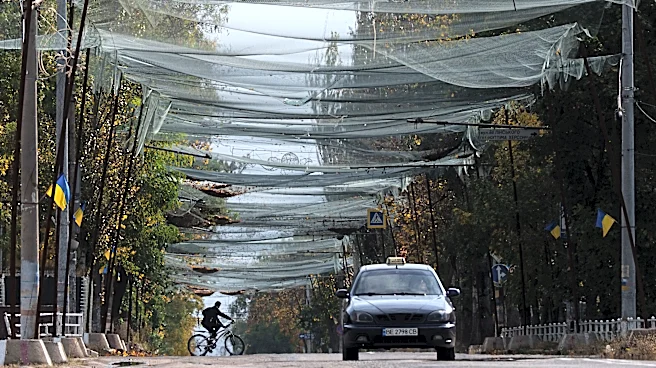
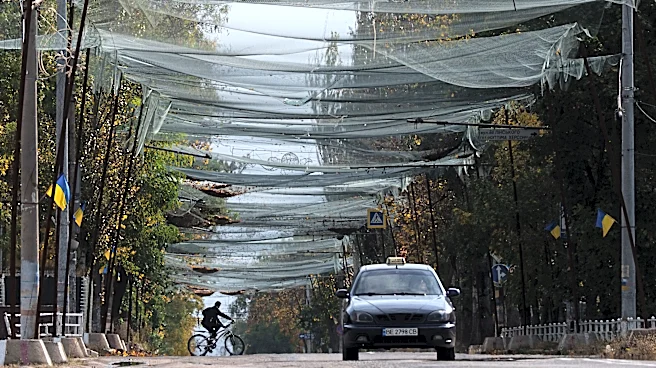
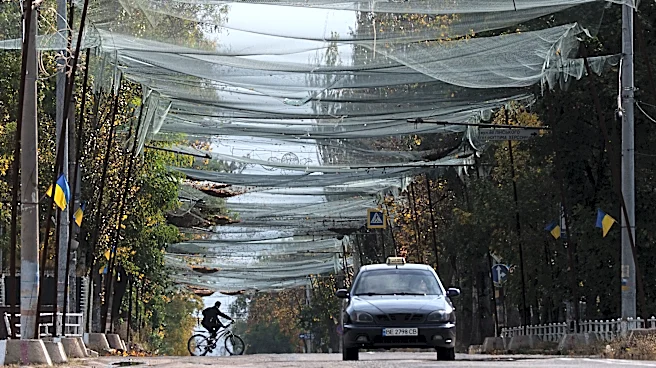
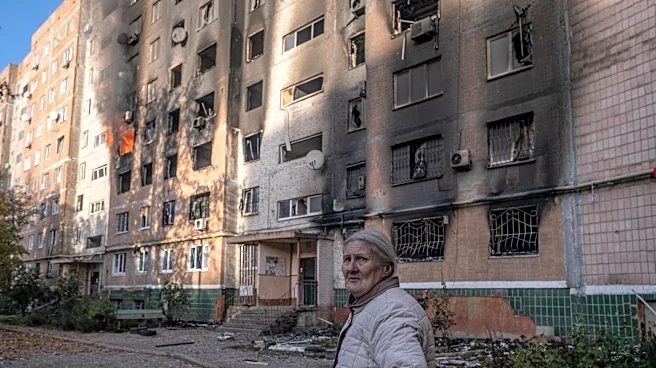
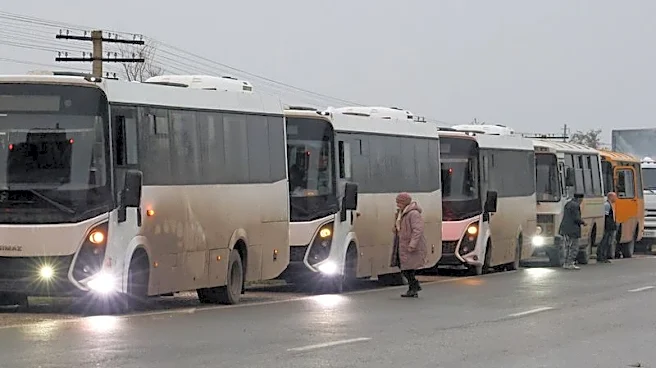
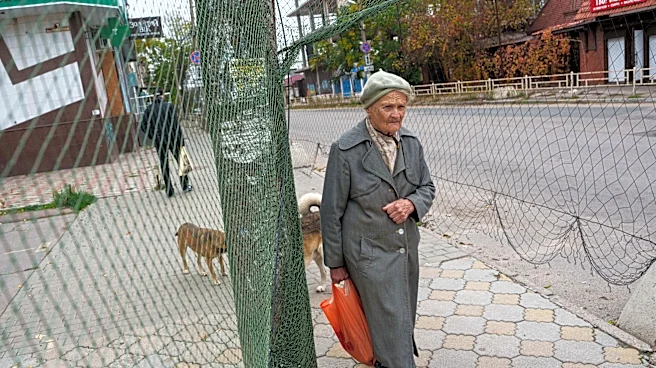
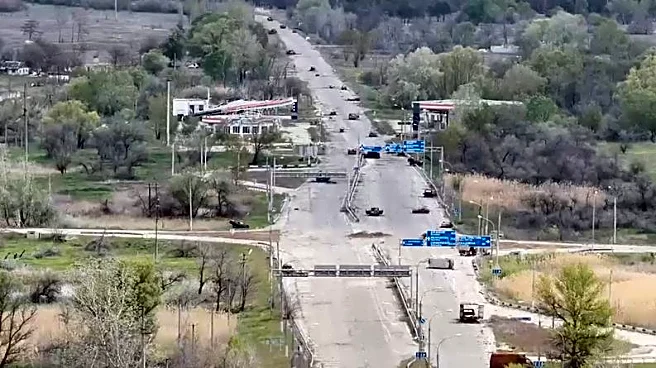
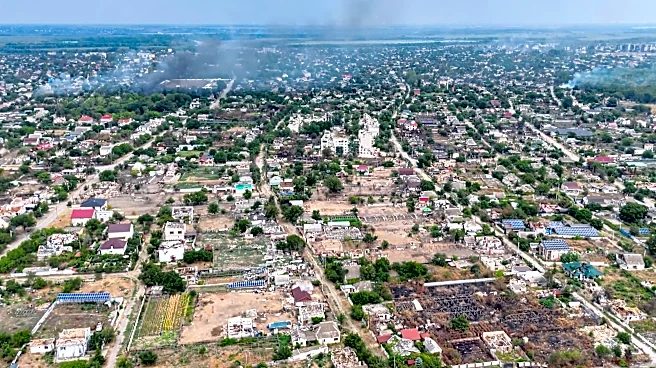
MOSCOW, Oct 30 (Reuters) - Residents of the Russian-held town of Oleshky in southern Ukraine began evacuating on Friday as part of a joint relief operation by the two sides, the first of its kind in four years and eight months of war.
Many questions have been asked about the humanitarian operation and its wider significance under a deal that US first lady Melania Trump was involved in brokering, with the additional involvement of Pope Leo.
WHAT DO RUSSIA AND UKRAINE WANT FROM THE OPERATION?
Besides the safe evacuation of many of Oleshky's residents, Moscow and Kyiv are trying to use the operation to show US President Donald Trump they are serious about his efforts to secure an overall peace settlement.
Neither side wants to be blamed by Trump for something going wrong in Oleshky, an event that could burnish his self-professed credentials as a peacemaker before US midterm legislative elections.
But the two sides remain far apart on potential terms for ending the conflict in Ukraine, and there appears to be no immediate prospect of it ending.
Both sides want to keep Trump engaged in the peace process, even if it is moving slowly, as even if Trump's Republican Party performs badly in the midterms, he will be president for two more years and able to influence what is happening in Ukraine.
Moscow hopes Trump can pressure Kyiv into agreeing a deal that meets many of its conditions, such as full Russian control of Ukraine's Donbas region and a bar on Ukraine joining NATO.
Kyiv wants to ensure US intelligence sharing continues, along with full access to Elon Musk's battlefield communications system Starshield, and that European-bought US military hardware, including Patriot interceptor missiles, continues to flow.
HOW ARE THE SIDES TRYING TO INFLUENCE TRUMP'S VIEW OF THE OPERATION?
Moscow and Kyiv, keen to court the US president, have lavishly praised Melania Trump's role in making the operation happen.
Russian President Vladimir Putin has publicly recognised her importance in bringing about the ceasefire and aid operation, and Dmitry Peskov, his spokesman, cited her proven experience in reuniting children affected by the Ukraine conflict with their families as one of the reasons why Moscow agreed to the Oleshky operation. Special Envoy Kirill Dmitriev has repeatedly taken to X to highlight her role in what is happening.
Ukrainian human rights ombudsman Dmytro Lubinets has paid tribute to Melania Trump too, saying Kyiv wanted to extend its "special thanks" to someone who was "personally devoting her time and attention to the humanitarian mission and assistance to civilians in Oleshky".
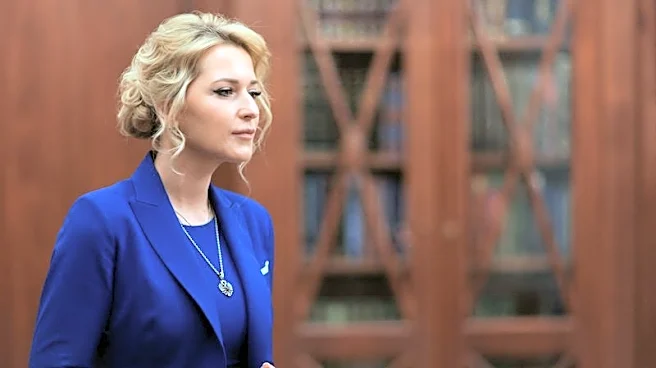
Russian Human Rights Commissioner Yana Lantratova travelled to Oleshky with what state media said was about 50 journalists, including four US journalists from Newsmax, an outlet whose founder has said it is supportive of Trump and his policies.
Russian state TV has shown humanitarian aid boxes destined for Oleshky decorated with Russia's flag being loaded by people wearing T-shirts saying "Putin's Team - The People's Front."
DOES THE HUMANITARIAN MISSION MEET INTERNATIONAL STANDARDS?
The International Committee of the Red Cross in Geneva said on Friday its teams had not been asked to provide support, but stood ready to help within its mandate if requested.
Jens Laerke, a spokesperson for the UN Office for the Coordination of Humanitarian Affairs, said the UN had not received any request to help but officials were closely monitoring the situation.
He said the question of why the UN had not been invited to observe was one for Ukraine as Oleshky is in territory internationally recognised as Ukrainian.
"What we do know is that we have advocated for and will continue to advocate that all international rules, laws, and practices are upheld during this evacuation," Laerke said.
The fact that human rights commissioners from Ukraine and Russia were involved inspired some confidence, he added.
COULD OLESHKY BE A MODEL FOR SIMILAR LOCAL CEASEFIRES?
Kremlin statements suggest the operation could be a one-off — at least for now. Asked if the operation meant Russia and Ukraine could find other areas where they could cooperate, Peskov said it was a specific and isolated case that, for now, did not have wider implications for the peace process.
The ceasefire, which was extended to the wider Kherson region, expires on Sunday. There has been no easing of fighting in the other three Ukrainian regions Russia says it has incorporated as its own.
After holding talks with US negotiators, Putin this month agreed to resume US-mediated peace talks with Ukraine next month.
But Kremlin aide Yuri Ushakov, unhappy about attempted Ukrainian drone attacks on Moscow, has hinted at a possible rethink if the attacks continue, while Ukraine has resumed attacks on Russian oil refineries after a pause.
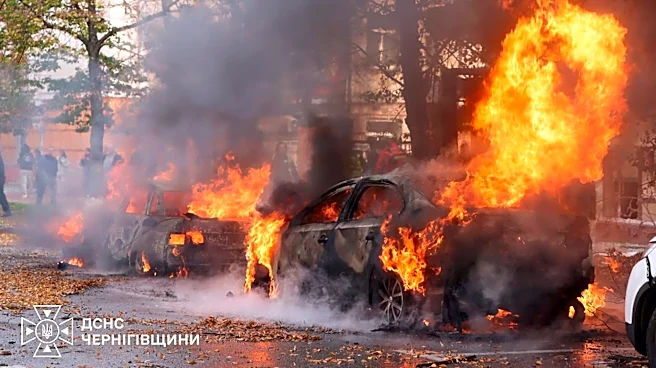
There has also been no let-up in Russian airstrikes on infrastructure targets across Ukraine.
(Reporting by Reuters in Moscow and Kyiv, Additional reporting by Olivia Le Poidevin in Geneva, Editing by Timothy Heritage)