






By Karen Brettell
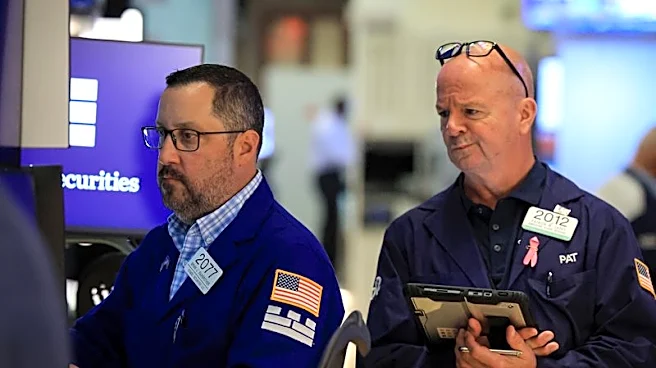
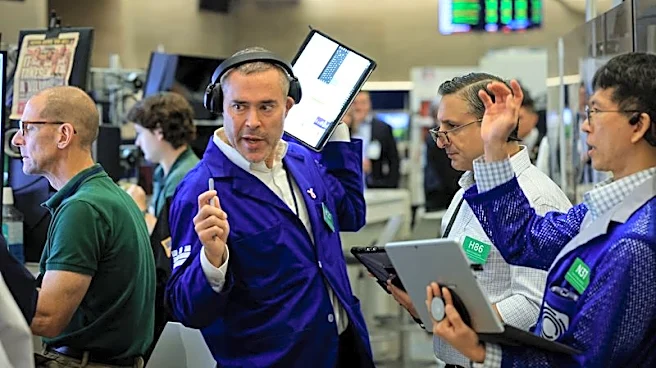
July 29 (Reuters) - U.S. stocks extended losses, interest-rate sensitive two-year Treasury yields dropped and the dollar slipped on Wednesday after the Federal Reserve held interest rates steady, while oil prices surged following renewed attacks across the Middle East.
The Fed's decision was largely expected, but three of the 12 members of the policy-setting Federal Open Market Committee dissented from the move that left the benchmark interest rate in the 3.50%-3.75% range in favor
of a quarter-percentage-point hike.
Oil prices were up roughly 8% after major airstrikes resumed in the Middle East, raising the specter of further disruptions to already impaired global energy supplies. The rally was compounded by industry data showing a drop in U.S. crude inventories.
"There's been a lot of stop-and-start news out of the Middle East, and I think until we get some sort of resolution, that's a bit more durable, we'll continue to see that headline risk crop up," said Bill Merz, head of capital markets research and portfolio construction at U.S. Bank Wealth Management in Minneapolis.
The rebound in oil prices had raised expectations that the U.S. central bank could hike rates this week, even though inflation moderated in June more than economists had expected.
"After the June inflation print showed some progress, this move was to be expected," said JP Powers, chief investment officer at TWA Wealth Partners. "But each meeting we're now building more uncertainty around it than the last."
Fed funds futures traders are now pricing in 60% odds of a rate hike in September.
"The bigger question now though becomes how much pressure will they have to hike in September? Inflation is running hot and with surging crude oil, the market expects the next hike to indeed be in September,” said Ryan Detrick, chief market strategist at Carson Group.
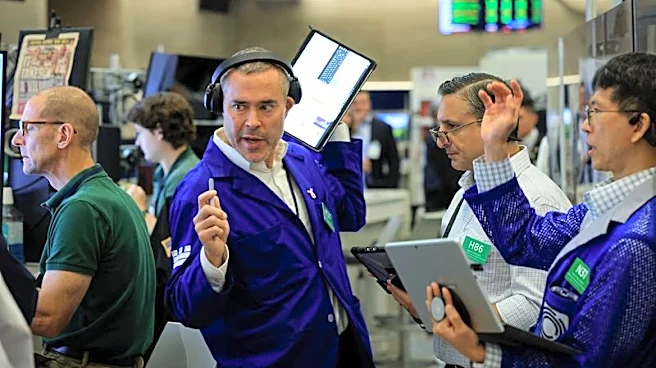
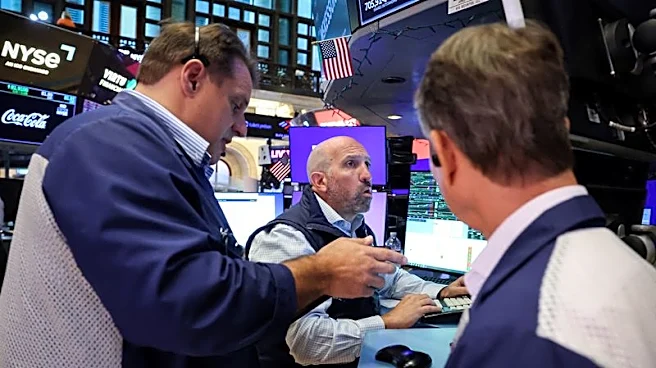
The Dow Jones Industrial Average fell 2.2%, to 51,594.86, the S&P 500 dropped 1.5%, to 7,316.39 and the Nasdaq Composite was down 1.7% at 24,442.94.
The MSCI All Country World Price index dropped 1.1% to its lowest level since June 11.
The interest rate sensitive 2-year Treasury yield fell 3.52 basis points to 4.242%, while the yield on benchmark U.S. 10-year notes rose 7.53 basis points to 4.679%, reflecting concerns about future inflation.
The dollar index, which measures the greenback against a basket of currencies including the yen and the euro, fell 0.45% to 100.96, with the euro up 0.54% at $1.1447.
WORRIES ABOUT TECH GIANTS
Global markets have been volatile this month as investors question the sustainability of the AI spending boom amid signs that major U.S. companies are deepening a web of AI-linked investments and continuing to funnel billions into the technology at the expense of free cash flow.
Meta missed its earnings expectations on Wednesday and narrowed the range of its forecast for annual capital expenditure, as the social media giant doubles down on building a fleet of data centers to expand its AI computing power
"The pressure is shifting from spending plans to returns on investment. Investors want evidence that AI capex is generating revenues now, while also strengthening the future growth outlook," said Gina Martin Adams, chief market strategist at HB Wealth.
The scrutiny comes as competition from China intensifies, both in the race to develop advanced chips and as Chinese firms roll out cheaper AI models.
Amazon.com and Apple are due to report earnings later this week.
Expectations have grown so lofty that even a sixfold jump in SK Hynix's quarterly profit fell short, sending its shares tumbling 9.6%.
South Korea's KOSPI, which has become emblematic of the wild swings in AI sentiment, fell nearly 6% a day after sinking more than 10% to a three-month low.
In response, South Korea will introduce additional curbs on single-stock leveraged exchange-traded funds, or ETFs, including a cap that could limit an individual's investment in such products to 20% of their total investment assets, the finance ministry said on Wednesday.
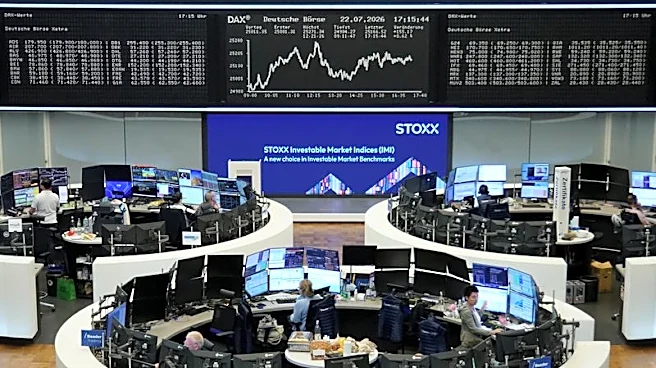
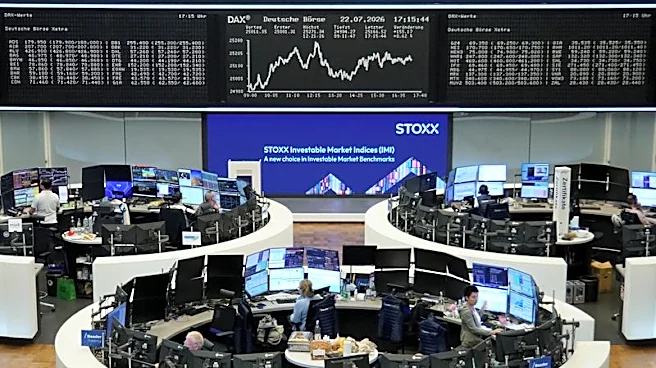
The pan-European STOXX 600 index fell 0.3%, while Europe's broad FTSEurofirst 300 index fell 0.4%.
(Reporting by Karen Brettell; Additional reporting by Chuck Mikolajczak, Stephen Culp, Niket Nishant, Ankur Banerjee, Johann M Cherian and Ragini Mathur; Editing by Will Dunham and Nick Zieminski)