






By Jaspreet Kalra and Abinaya V
MUMBAI, Oct 7 (Reuters) - The Indian central bank raised its benchmark repo rate by 25 basis points to 5.5% on Wednesday, marking the first rise in nearly four years amid mounting inflation and strong economic growth.
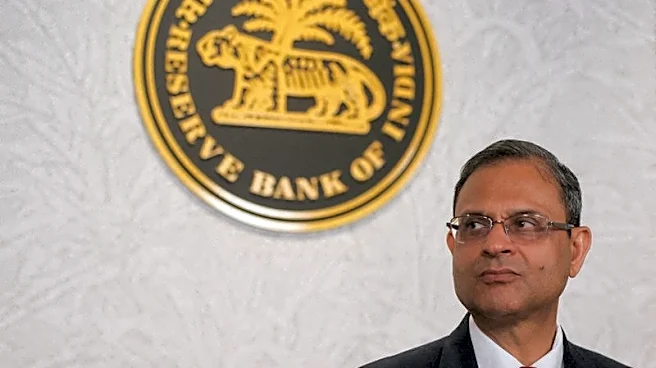
The central bank also signalled further rate hikes by changing its stance from "neutral" to "calibrated tightening", but Governor Sanjay Malhotra said the extent and timing of any more increases would be contingent on actual inflation and growth outcomes.
India has joined major central banks in raising rates as higher oil prices triggered by the Iran war fuel inflation, squeeze purchasing power and weigh on currencies. Weak monsoon rains linked to El Niño have compounded price pressures in Asia's third-largest economy.
The six-member rate panel voted unanimously in favour of the rate hike. Nearly 60% of economists in a Reuters poll had expected a 25 bps increase in the repo rate.
It is clear that the outlook for inflation is no longer benign, Malhotra said in his policy address. There is some evidence of elevated inflation expectations and generalisation of price pressures, he said.
India's benchmark 10-year bond yield jumped to 7.2655%, up 5 bps after the RBI decision, while the rupee currency was largely unchanged around 96.36. The benchmark Nifty 50 share index and the BSE Sensex were down 0.6% and 0.7%, respectively.
The RBI expects inflation at 5.2%, a small increase over its earlier forecast of 5%. Core inflation is seen at 4.4% from 4.3% earlier.
Consumer inflation accelerated in August to 4.82% from a year earlier, above the Reserve Bank of India's 4% medium-term target for a third consecutive month. Higher prices of fuel and food are now rippling through the economy, with nearly half of the consumer basket seeing inflation above 4%.
At the same time, economic growth remains strong, giving the central bank greater leeway to raise the cost of borrowing for consumers and businesses.
The central bank expects GDP growth in the current financial year at 7.1%, 40 bps higher than its earlier projections.
GDP growth for the April-June quarter stood at 7.8%, well above the central bank's forecast of 7%.
(Reporting by Jaspreet Kalra and Abinaya V.; Editing by Mrigank Dhaniwala and Kim Coghill)