

BEIJING, Feb 13 (Reuters) - China's new home prices extended their decline in January, official data showed on Friday, indicating weak demand that is likely to further weigh on the country's cash-strapped developers.
Prices fell 0.4% month-on-month, matching the previous month's decline, according to Reuters calculations based on National Bureau of Statistics data.
On an annual basis, prices dropped 3.1% in January, quickening from a 2.7% fall in the previous month for the steepest decline in seven
months.
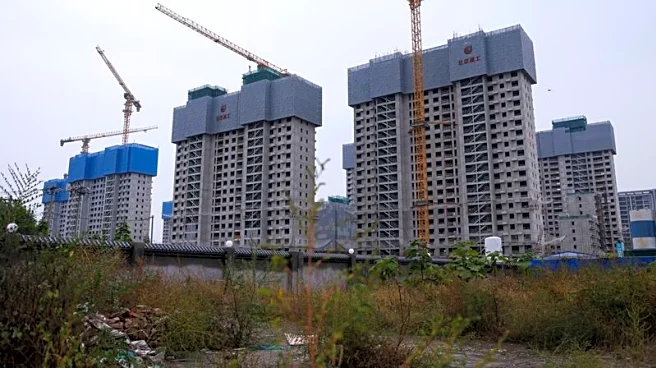
Investors have been watching for signs of bottoming out in the market from a prolonged property downturn. The sector, once a key engine of economic growth, has weighed on household wealth as home values have fallen, crimping consumption.
Reviving consumer spending is a priority for policymakers seeking to curb industrial overcapacity and cushion the economy against external trade risks.
A rebound in home-buying would also help property developers, many of which need new cash flow to repay debt and finance construction to deliver presold projects.
Beijing has rolled out a raft of measures since the market plummeted into crisis in 2021, including easing purchase restrictions and cutting down-payment requirements and mortgage rates, but the sector has yet to stage a recovery.
Of the 70 cities surveyed by the NBS, 62 posted price declines, up from 58 in the previous month.
The resale market remained weak. Month-on-month declines eased slightly, but year-on-year falls accelerated, with prices down 7.6% in tier-one cities and more than 6% in smaller cities.
State media reported in late January that authorities had removed the so-called "three red lines" - caps on developers' debt-to-cash, debt-to-assets and debt-to-equity ratios that lenders used when extending new loans.
Introduced in 2020, the policy helped trigger a liquidity squeeze across the sector, with many builders defaulting and running short of cash to complete presold homes.
Even without the caps, funding strains persist as developers move away from the high-leverage model that powered the boom, analysts say.
(Reporting by Yukun Zhang, Liangping Gao and Ryan Woo; Editing by Muralikumar Anantharaman and Shri Navaratnam)