


By Ann Saphir
Oct 26 (Reuters) - Federal Reserve policymakers have telegraphed they will not raise US short-term borrowing costs again this week, but with inflation concerns still front and center, investors believe a rate-hike pause will not last for long.
Data due just one day after the Fed's anticipated decision to hold rates steady in the 3.75%-4.00% range will underscore why. Inflation picked up last month and broadened well beyond rising fuel prices, and US economic growth accelerated last quarter,
government reports are expected to show, with gains powered by solid consumer spending and surging business investment driven by demand for AI.
Meanwhile the labor market has been stable: The unemployment rate was 4.2% last month and weekly unemployment insurance claims are running lower than at any point in Fed Chairman Kevin Warsh's lifetime.
Indeed, analysts say, were it not for a sharp rise in US Treasury yields in the weeks following the Fed's September rate hike, a second straight increase this week would have been in the cards.
"The data, in my opinion, do support a rate hike," said Nationwide Chief Economist Kathy Bostjancic, noting that data since the Fed's last meeting showed "a strong economy, a strong consumer and labor market, and inflation ... deteriorated, it went the wrong way."
Fed policymakers were "spooked" by a rise in US 10-year Treasury yields to near-quarter-century highs that threatened to slow the economy more than they had intended, she said. The run-up prompted a number of them, including influential officials such as New York Fed President John Williams and Fed Vice Chair Philip Jefferson, to signal the Fed is content to wait for more data before deciding what to do.
Financial markets responded by slashing bets on a rate hike. As of Friday, rate futures were pricing a 90% chance of a hold at the Fed's October 27-28 meeting.
'HAS TO DISCUSS WHY'
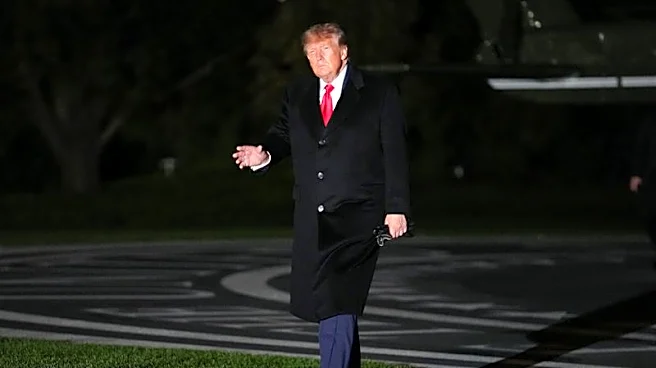
A looming November 3 election that will decide if President Donald Trump's Republican party retains control of both houses of Congress also sets up a delicate challenge for Warsh.
"Chair Warsh will have to dispel any impression that the decision was political in any way," said Gregory Daco, chief economist at EY-Parthenon, noting that whatever decision the Fed makes could be seen by one political party as catering to the other's wishes. Affordability has been a key concern for voters who have soured on Trump's handling of the economy, with both ongoing inflation and rising interest rates contributing to the higher cost of living.
At the same time, Warsh will need to keep alive the expectation for another rate hike ahead, Daco said.
"If Chairman Warsh does not provide any clue or essentially says that the Fed is waiting for more evidence (of easing inflation) that would be a signal that the Fed is not credible, and that would likely lead to spiking yields that would actually be more dramatic for the economy" than an actual rate hike, he said. "He has to discuss why the hold in October, but present it in a way that does not hurt the Fed's credibility in fighting inflation."
Given Warsh's dislike for forward guidance, however, he is unlikely to say much, Daco and others said.
Investors will be alert for signaling, either in the Fed's terse post-meeting statement or in comments by Warsh during his news conference, particularly in how he characterizes financial conditions and the threat posed by inflation that's run above the Fed's target for more than five years.
STILL A CLOSE CALL
Bond yields eased late last week amid a stock rout triggered by worries over the sustainability of AI demand, complicating the picture for Warsh who has at times pointed to tighter financial conditions as limiting the need for the Fed to raise the policy rate.
There are data points the Fed can reasonably cite as justifying a pause, including hourly wage growth tracking below inflation for the last six months, showing the labor market is not adding much to inflation pressures.
Minutes of the Fed's September meeting suggest many policymakers felt their rate hike was insurance against rising inflation risks that may in fact begin to ease, particularly if the Middle East conflict gets resolved.
Still, said BMO Chief US Economist Scott Anderson, "I do think it will be a closer call at the October meeting than the markets are pricing," adding that he expects at least one dissent from the hawkish chief of the Cleveland Fed, Beth Hammack, possibly joined by others.
For his part, he said, Anderson now expects two more rate hikes from the Fed to contain inflation, which Fed officials target at 2% by the 12-month change in the personal consumption expenditures price index.
September's reading is not due until Thursday, but economists project it accelerated to 3.6% from 3.4% in August amid higher gas prices from the Middle East conflict, but also lifted by broader price pressures including from airfares, rents and computers.
"I do think there's a pretty strong case that they do have more work to do here," Anderson said, using a phrase that Warsh himself employed in a speech in late August widely seen as foreshadowing the Fed's September rate hike.
(Reporting by Ann Saphir; Editing by Dan Burns and Andrea Ricci)