
WASHINGTON, Feb 11 (Reuters) - The U.S. central bank needs to keep tight monetary policy in place for now amid continued strong economic growth, Kansas City Federal Reserve President Jeffrey Schmid said
on Wednesday, cautioning that it was too early to bank on rising productivity as a remedy for still-elevated inflation.
"With inflation still running hot, it appears that demand is outpacing supply across much of the economy," Schmid said in comments prepared for delivery to an economic forum in Albuquerque, New Mexico.
While it is possible that rising productivity or the spread of artificial intelligence could boost the economy's potential and allow "a non-inflationary, supply-driven growth cycle," Schmid said his view is that "we are not there yet" and therefore need to leave interest rates high enough to discourage some spending and investment.
"Further rate cuts risk allowing high inflation to persist even longer," Schmid said, particularly at a time when he noted that it seems the economy may continue to grow above trend.
The Trump administration and Fed chief nominee Kevin Warsh have cited recent strong productivity data, with an outlook for that to continue as AI tools spread through the economy, as justification for lowering interest rates. If the economy can produce more with fewer resources, it could allow stronger growth without inflation, letting the Fed worry less about price pressures in a strong growth environment.
But Schmid said recent productivity gains could be from sources as mundane as workers staying in jobs longer than they did during the high-churn years around the outbreak of the COVID-19 pandemic, and just becoming better at what they do.
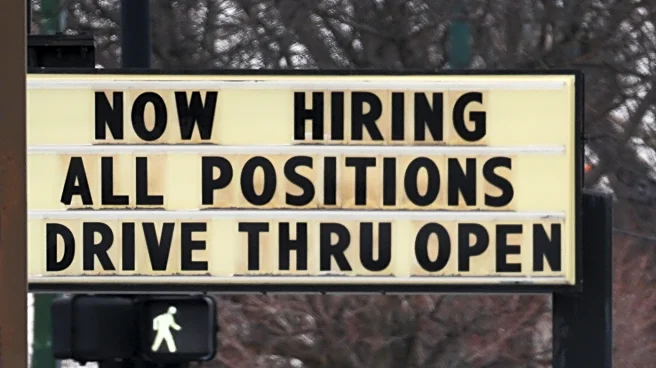
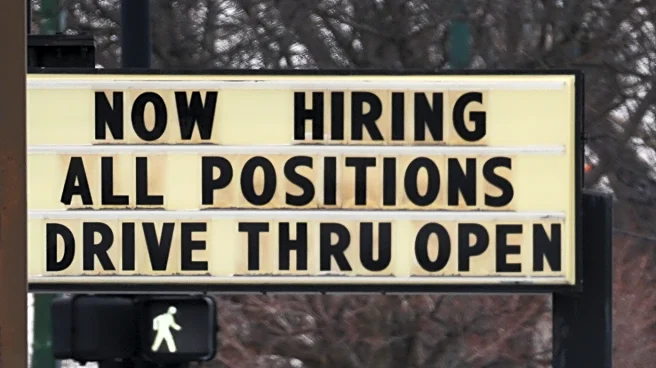
"My contacts broadly agree that we are now in a low-hire, low-fire, low-quit labor market. One positive from this lack of churn is higher productivity," said Schmid, who is not a voting member of the Fed's policy committee this year. "It is not clear if productivity will continue to grow at this pace."
The Fed held interest rates steady at its policy meeting late last month and is expected to keep them on hold at least until its June 16-17 meeting. The release on Wednesday of a stronger-than-expected jobs reportfor January reinforced that view.
New U.S. inflation data is due to be released on Friday.
(Reporting by Howard Schneider; Editing by Paul Simao)