







By Antoni Slodkowski and Dave Sherwood
UNITED NATIONS/HAVANA, Oct 28 (Reuters) - The UN General Assembly overwhelmingly urged an end to the decades-long US economic embargo on Cuba on Wednesday, but a US lobbying push led several countries to oppose the resolution or abstain for the first time in years.
The results showed 130 nations in favor of the resolution, 25 abstaining and 17 countries, including the US and Israel, voting against. That compared with a tally of 165-7, with 12 abstentions, last
year. Several Western countries, including Germany and Italy, abstained for the first time in many years.
The UN vote carries political weight, but only the US Congress can lift the Cold War-era embargo. The 193-member UN General Assembly has adopted the resolution annually for more than three decades — except for 2020 during the COVID pandemic — to little effect.
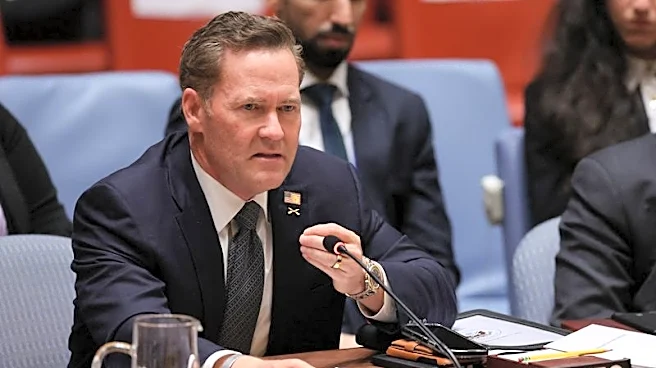
"I'm satisfied that so many countries now, including major economies like Korea, like Germany, and others have shifted their position," the US envoy to the UN Mike Waltz told reporters after the vote.
"Diplomacy takes time, but now that we've had a tripling of countries that have shifted, we expect that to only to continue to grow," he said.
United Nations experts have repeatedly called the US fuel blockade and associated sanctions against Cuba a violation of international law and the human rights of all Cubans.
US officials have said the punishing sanctions are necessary to upend Cuba`s communist-run government, which the US calls a "corrupt dictatorship."
Cuba has long denied those allegations.
The tensions between the two nations at the UN escalated ahead of the vote, including shouting matches between Cuban and US diplomats at the UN last week, as well as yelling and shoving on the floor of the General Assembly on Tuesday.
Far from New York, Havana resident Luis Manuel Cepero said he had little interest in the political theatrics.
“This (vote) raises awareness among many people who just don’t understand what the (embargo) is all about — how it affects the Cuban people in our day-to-day lives, what we are going through, how we suffer," Cepero told Reuters.
"To me, that is what’s most important — far beyond political views or any kind of ideology.”
SHOVING AND EXPULSION
On Wednesday, Waltz accused a Cuban diplomat of "assaulting an American diplomat" during the Tuesday exchanges. He said Richard Tur de la Concepcion, a first secretary at Cuba's UN mission, will be expelled from the US.
"That Cuban first secretary will be on a plane out of the country back to Havana today," Waltz told reporters at the UN.
In response, Cuba has lodged a complaint with the UN Secretary-General Antonio Guterres about the American diplomat on Waltz's staff involved in the incident.
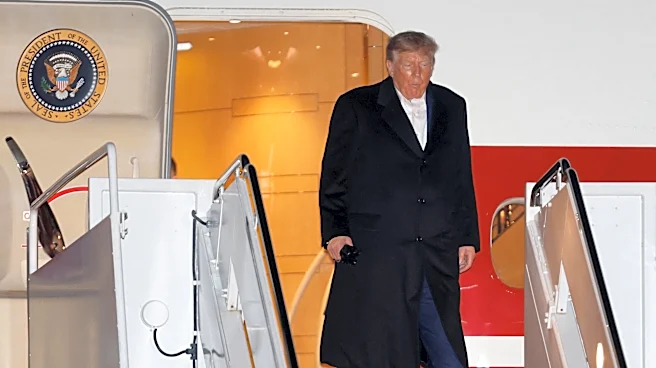
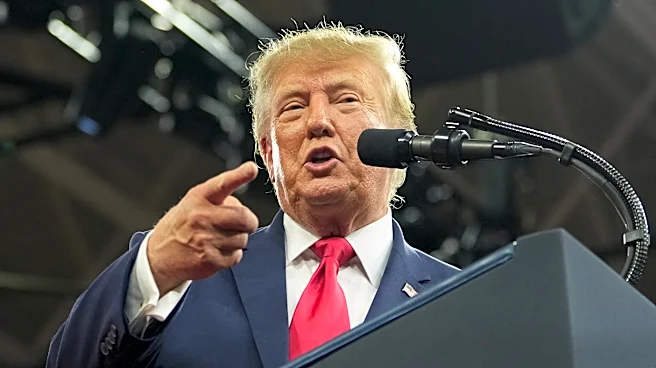
The US has maintained a trade embargo on Cuba for more than 60 years and US President Donald Trump's administration has been stepping up pressure on the island`s government since January, when he imposed a de facto fuel blockade on Cuba.
Fuel imports dropped precipitously and blackouts now regularly span days, even in the capital Havana, alongside shortages of fuel, food and water that have brought Cuba to the brink of humanitarian crisis.
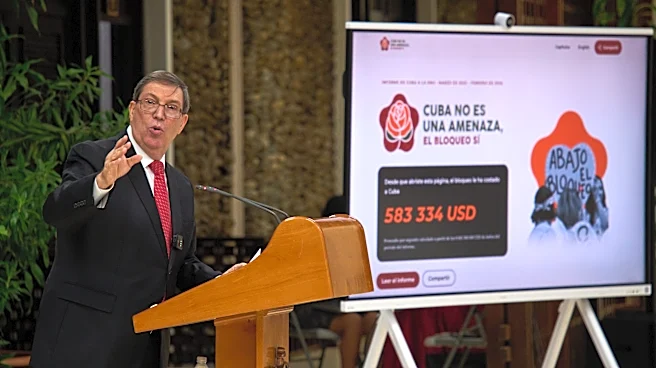
Cuban Foreign Minister Bruno Rodriguez said on X after the vote that the "US government is once again isolated in its attempt to continue strangling the Cuban people and subjecting them to an act of collective punishment and genocide."
"Neither its most insane pretexts nor its pressures nor media circus will prevail over the force of facts and truth," he said.
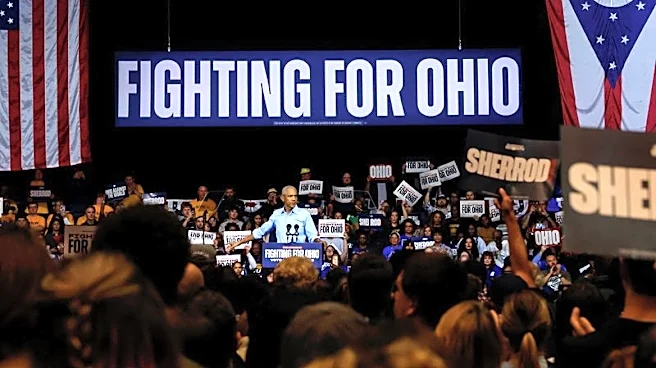
The United States has voted against the UN resolutions since 1992 but abstained for the first time in 2016 under former President Barack Obama, as Washington and Havana forged a closer relationship.
(Reporting by Antoni Slodkowski in New York and Dave Sherwood in Havana; Editing by Sanjeev Miglani)