






By Nate Raymond
BOSTON, April 8 (Reuters) - A federal judge on Wednesday halted a move by U.S. President Donald Trump's administration to end legal protections granted to over 5,000 Ethiopians that have allowed them to live and work in the United States.
The ruling by U.S. District Judge Brian Murphy in Boston marked the latest legal setback for the U.S. Department of Homeland Security's efforts to terminate the Temporary Protected Status designation for 13 countries in furtherance of Trump's hardline
immigration agenda.
Under federal law, TPS is available to people whose home countries have experienced natural disasters, armed conflicts or other extraordinary events. It provides eligible migrants with work authorization and temporary protection from deportation.
The U.S. Supreme Court is preparing to hear arguments in April over whether the administration can revoke such temporary legal protections for more than 350,000 Haitians and about 6,100 Syrians living in the United States.
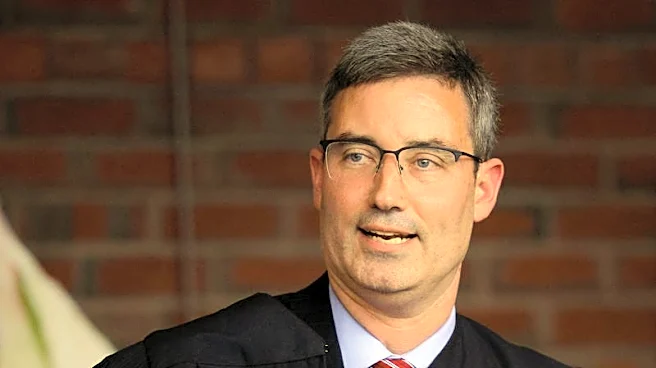
Murphy, who was appointed by Democratic former President Joe Biden, had on January 30 issued a temporary order preventing the protections granted to Ethiopians from ending on February 13 as scheduled to allow the parties time for him to hear the case.
The Biden administration first granted Ethiopians already in the United States that status beginning in 2022, citing the need to protect the African nation's citizens from armed conflict and humanitarian suffering. The status was extended again in April 2024.
DHS under former Homeland Security Secretary Kristi Noem announced in December it would end TPS for Ethiopia on the grounds that conditions in the African nation no longer posed a serious threat to people returning safely.
The department has repeatedly under Trump said TPS was "never meant to be a ticket to permanent residency."
Three Ethiopian nationals and the group African Communities Together sued, arguing the administration ignored how dangerous conditions persist in Ethiopia, where armed conflict continues in multiple regions.
The plaintiffs argued the administration's stated rationale for its action was a pretext and not its true motivation for ending TPS, which they said was based on an unconstitutional animus against non-white immigrants. Ethiopia's population is predominantly Black.
Paul Killebrew, a lawyer for the plaintiffs, said at a March 26 hearing that Noem had found 13 times in a row that conditions in foreign nations had improved to such an extent it was not inhumane to send non-citizens living in the United States back.
"And that's just not credible," he said.
Assistant U.S. Attorney Nicole O'Connor countered that Noem acted lawfully when she ended TPS for Ethiopia, saying even if she had political reasons for doing so, she had reviewed the conditions of armed conflict in the nation and made a rational determination they had changed.
"Even if there were political motivations behind that, that is totally acceptable," O'Connor said.
(Reporting by Nate Raymond in Boston, Editing by Alexia Garamfalvi and Nia Williams)