






By Ankur Banerjee and Alun John
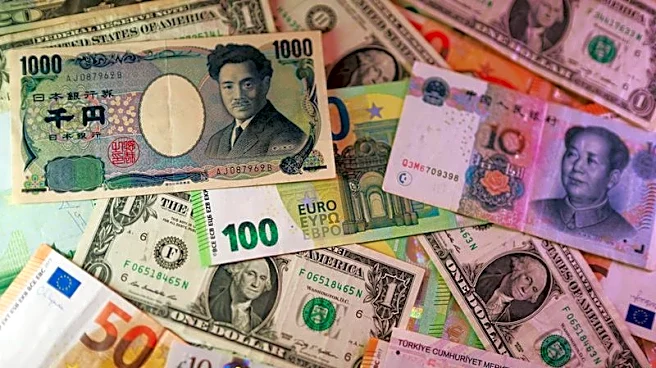
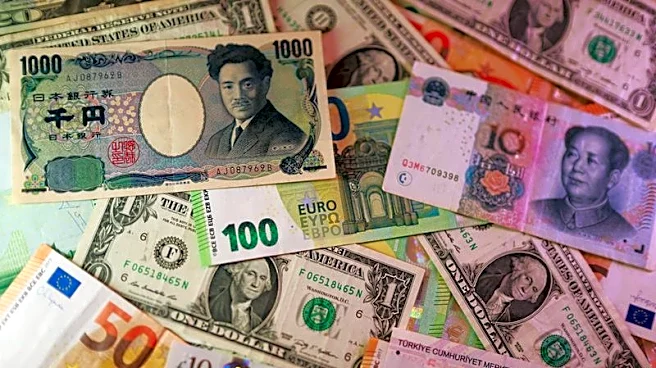
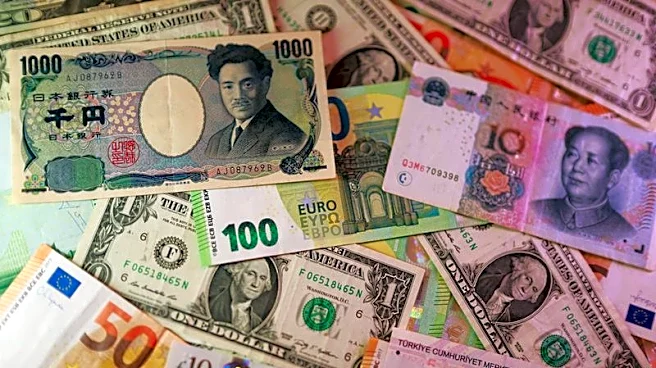
SINGAPORE/LONDON, Aug 11 (Reuters) - The yen hovered close to 160 per dollar on Tuesday as the impact of U.S.-Japan intervention continued to fade while the Australian dollar held near an eight-week high after the central bank left interest rates unchanged, as expected.
The Japanese currency was last at 159.1 per dollar, slightly stronger on the day. It had weakened by 0.9% on Monday, moving further away from last week's three-month high of 155.20 after the rare U.S.-Japan
yen-buying intervention at the end of July.
The intervention came after the yen sank to a 40-year low of 163.99 per dollar. It has since surrendered nearly half of those gains, leaving traders betting it is a matter of when, not if, authorities step back into the market.
"This week coincides with Japan's Obon holiday period, when reduced market participation tends to lower liquidity, potentially increasing the risk of sharp market moves during thin trading hours," said Masayuki Nakajima, senior strategist at Mizuho.
"In particular, if (the dollar) were to break decisively above the psychologically important 160 (yen) level, concerns about intervention could intensify further."
Speculators have cut bearish yen bets by the most in more than 12 years, with U.S. regulatory data showing the net short yen position fell by $8.865 billion to $3.604 billion in the week to August 4.
However, as in previous intervention episodes, analysts expect speculators to rebuild short positions, though the prospect of faster monetary tightening in Japan remains a risk.
U.S. INFLATION DATA IN FOCUS
Elsewhere, the Reserve Bank of Australia kept its cash interest rate at 4.35%, as expected, but warned it may need to raise rates again. The RBA has increased rates by 75 basis points since February to combat inflation fuelled by surging energy costs.
The Australian dollar was steady at $0.7054, hovering near its strongest since mid-June.
The week's main event for currency markets is a run of U.S. inflation data that has kept traders cautious and the dollar largely range-bound.
Wednesday's consumer price index data could show the Iran war's impact on inflation. Producer price data on Thursday and retail sales figures on Friday are expected to provide further clues on the inflation outlook.
The U.S. dollar index was broadly steady at 99.82 as oil prices hovered near one-week highs on fading hopes for a U.S.-Iran agreement to end the Middle East conflict.
The euro fetched $1.1539 and sterling $1.350, both little changed on the day.
China's yuan remained near a 3-1/2-year high against the dollar, with the offshore yuan at 6.746 per dollar and the onshore yuan at 6.745. [CNY/]
(Reporting by Ankur Banerjee in Singapore and Alun John in LondonEditing by Mark Potter and David Goodman)