








By Jarrett Renshaw and Siddharth Cavale
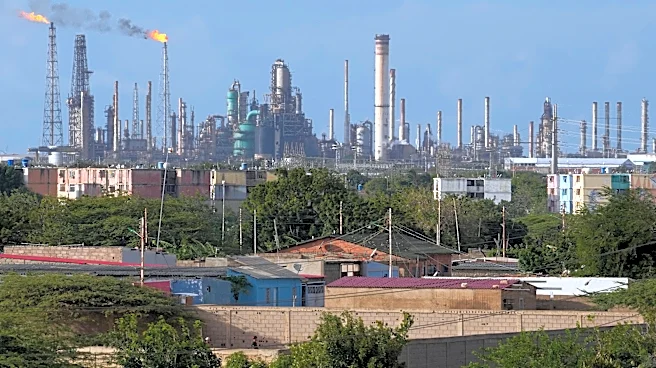
Aug 31 (Reuters) - The U.S. Environmental Protection Agency on Monday granted small refinery exemptions from the nation's biofuel blending requirements totaling 1.76 billion renewable fuel credits for the 2025 compliance year, nearly double the amount the agency initially expected to exempt.
The White House has been trying to ease pressure on gasoline prices, which have risen sharply during the U.S.-Israeli war on Iran. Refiners have sought the waivers to reduce
fuel production costs, while farm-state lawmakers have warned they could cut demand for crops used to make biofuels.
EPA said it will propose by the end of October to reallocate 100% of the difference between projected and actual 2025 exemptions into the 2026 and 2027 renewable volume obligations, effectively shifting the waived obligations to future years.
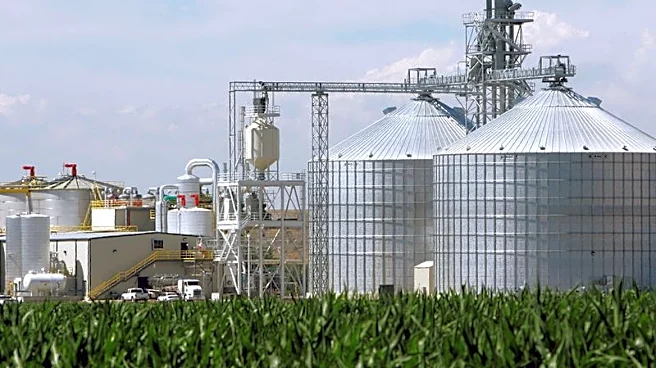
U.S. oil refiners have waged a long lobbying battle with agricultural and biofuel industries over the Renewable Fuel Standard, which requires refiners to blend renewable fuels into gasoline and diesel or purchase credits known as renewable identification numbers, or RINs.
On Monday, the EPA said it has granted full exemptions to 18 out of 34 refineries that had sought an exemption from their renewable fuel standard obligations for the 2025 compliance year. The EPA statement said it granted 50% exemptions to 11 refineries, denied three petitions, and determined two petitions to be ineligible.
Refineries owned by Marathon Petroleum and Chevron were among those that received exemptions, according to the EPA.
The American Petroleum Institute, the nation's largest oil trade group, on Monday urged President Donald Trump's administration to reject a larger-than-expected package of exemptions, warning it would undermine regulatory certainty. API CEO Mike Sommers said granting exemptions “significantly above” EPA's projection would be “a significant step backward.”
API also opposed shifting the exempted obligations to larger refiners in future years. “Both actions would inject uncertainty into the fuels marketplace,” Sommers wrote, adding that “new compliance surprises” would move “in the wrong direction at precisely the wrong moment.”
(Reporting By Jarrett Renshaw; Editing by Colleen Jenkins, Edmund Klamann, Paul Simao and David Gregorio)