








By Leika Kihara
TOKYO, June 30 (Reuters) - The Bank of Japan must be vigilant regarding the impact a weak yen could have on underlying inflation as firms have become more active in passing on rising costs, its new board member Ayano Sato said on Tuesday.
Sato, the second board member appointed by dovish Prime Minister Sanae Takaichi, also said monetary and fiscal policies must each play their roles to ensure Japan achieves price stability.
"Monetary policy should focus on inflation, while fiscal policy should support
households and firms affected (by higher prices)," Sato said in her inaugural news briefing.
Sato refrained from commenting on the timing and pace of further interest rate hikes. But she said the BOJ must focus on both downside risks to growth and upside risks to inflation.
"In guiding monetary policy, it's important to determine whether recent price rises are temporary moves driven by higher costs, or sustained inflation led by demand," she said. "At this point, it's hard to reach a conclusion."
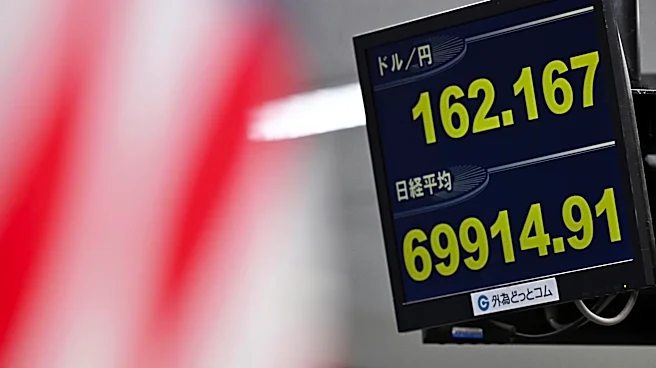
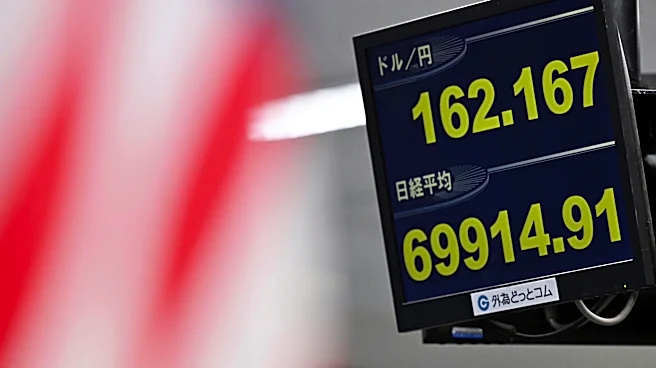
On the weak yen, Sato said it gives exports a boost but hurts households' real income by pushing up import costs.
"Given rising wages and firms' active price-setting behaviour, yen moves could have a bigger impact than in the past on inflation," Sato said, calling for the need for vigilance to the boost a weak yen could give to underlying inflation.
DATA-DEPENDENT APPROACH
A 57-year-old former academic, Sato is considered an advocate of loose monetary policy. Takaichi's appointment of her follows that of Toichiro Asada, who voted against the BOJ's decision to raise interest rates in June.
Sato replaced Junko Nakagawa, who joined two hawks on the board in proposing a rate hike in April. The proposal was turned down, though the central bank eventually hiked rates in June.
The newcomer joins a hawkish leaning nine-member board focusing on mounting inflationary pressures from the Middle East conflict and rising import costs from a weak yen.
Sato praised former BOJ Governor Haruhiko Kuroda's massive stimulus programme, which incumbent chief Kazuo Ueda exited in 2024, for creating jobs and boosting stock prices.
But she declined to describe herself as a reflationist, saying her motto was to take a data-dependent approach and avoid being overly drawn to any particular economic stance.
Sato also said she had been given no policy instructions from Takaichi, adding that the BOJ's independence from political meddling is clearly stipulated by law.
Her debut policy meeting will be on July 30 and 31, at which the BOJ is expected to keep rates steady, but the board will issue fresh quarterly growth and inflation forecasts likely to offer clues on the timing of the next rate hike.
The BOJ raised interest rates to a 31-year high in June in a landmark step in its policy normalisation, signalling readiness to tighten further as it focuses on taming price pressures from the Iran war-induced energy shock.
But there is uncertainty on the pace and timing of future rate hikes, with Takaichi's administration signalling caution over any steps that could boost the cost of funding its flagship investment plans.
(Reporting by Leika Kihara; Editing by Shri Navaratnam, Sam Holmes and Clarence Fernandez)