




By Libby George
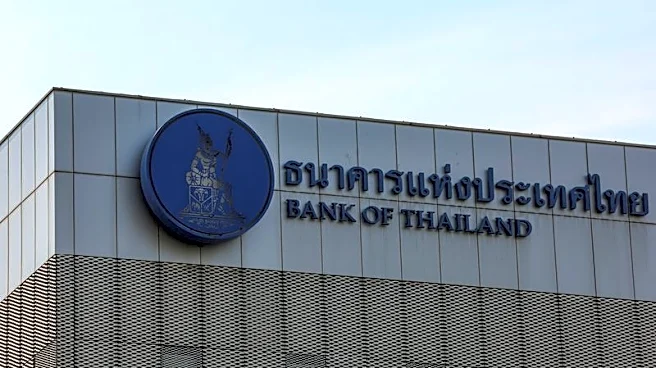
WASHINGTON, April 16 (Reuters) - Thailand faces slower growth this year due to the Iran war and there are almost "no limits" to worst-case economic scenarios if the conflict continues, a senior central bank official told Reuters.
Assistant Governor Chayawadee Chai-anant said growth in the Southeast Asian nation, among the most exposed global economies due to its high reliance on imported energy, was slowing. Tourism is declining and the cost of imports is rising because of the U.S.-Israeli
war with Iran.
"It's going to be the downward trend for a lot of things," Chai‑anant said on the sidelines of the IMF-World Bank spring meetings in Washington.
Tourism from Gulf countries, she said, fell to close to zero in March, as attacks from Iran closed regional airports. Those numbers have yet to fully rebound, and their wealthy visitors typically account for 7% of total tourism spending in Thailand.
The number of tourists from Malaysia, another large growth engine for the critical sector, was also declining as high fuel costs kept them from driving to Thailand.
The central bank revised its baseline forecasts for GDP growth to 1.3% for 2026 - if the war ends in the second half of this year. The forecast is down from December expectations of 1.9%; in February, the government had raised the growth outlook to 1.5% to 2.5%. Inflation in this scenario is forecast to hit 3.5%.
Thailand's strong position going into the crisis, she said, was helping it absorb the shock, but the economy is under severe pressure.
"In terms of the worst-case scenarios, there's no limits to it. It's that bad," she said.
Policymakers had expected a positive current account of around $12 billion for the year, but she said that would have to be revised lower. She did not rule out the possibility that it could turn negative.
The bank was only likely to consider interest rate hikes if inflation persisted longer than a year, and even then, they were not guaranteed; the bank's governor has said that a hike would do little to address supply‑driven inflation.
Chai‑anant said that sharp outflows from equity and debt in Thailand in February and March were manageable and had already returned to positive territory so far in April.
She added that the Fund's autumn meetings, which Bangkok will host in October, would give global officials a chance to see those who are "severely impacted by the conflicts," but she was confident that the economy would have found a path forward by then.
"We can actually showcase that Asian countries are having very strong fundamentals, and are agile in terms of adaptation," she said.
(Reporting by Libby George; Editing by Lisa Shumaker)