





MADRID, April 7 (Reuters) - Recent U.S. complaints about NATO allies and threats to quit the alliance are pushing European countries to seek alternative security arrangements, Spanish Foreign Minister Jose Manuel Albares said on Tuesday.
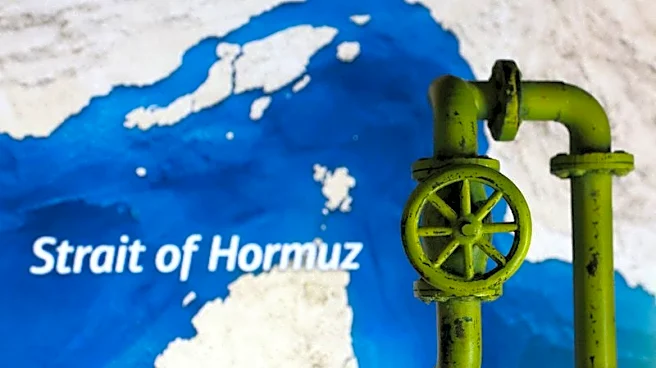
After European countries declined to send their navies to open up the Strait of Hormuz to global shipping following the start of the U.S.-Israeli war on Iran on February 28, U.S. President Donald Trump has declared he is considering withdrawing from the alliance,
thrusting it into a crisis.
Albares said the decision was entirely up to Trump, but underscored that NATO allies stood in solidarity with Washington after the September 11, 2001 attacks.
"NATO is a mutually beneficial alliance for both Europeans and Americans ... But the U.S. administration's remarks and new positions on Euro-Atlantic security are inviting us Europeans to take a leap in terms of our sovereignty and defence matters," Albares told La Sexta TV channel.
"We must take our citizens' security and dissuasion into our own hands," he added.
To do so, he said, the EU should advance toward a pan-European army and integrate its defence industries, but also create a digital single market and a capital markets union.
Spain's leftist government has become one of the most vocal critics of the war on Iran, which it calls illegal and reckless. It has closed Spanish airspace to U.S. planes involved in the strikes and banned them from using jointly operated military bases in southern Spain. Trump has vowed to retaliate against Spain using trade tariffs.
(Reporting by David Latona; Editing by Charlie Devereux and ANdrei Khalip)