







By Mike Dolan
Oct 5 (Reuters) - While a somewhat soft US employment report appeared to take the heat out of the interest rate and bond story on Friday, stress in sovereign debt markets shifted to Europe with an alarming blowout in the French debt risk premium over Germany.
The 10-year French-German spread ballooned to more than 150 basis points on Friday for the first time since the heat of the euro sovereign debt crisis in 2011.
That comes as markets fret about the French government's ability to pass
its annual budget and prevent the deficit blowing out to 6.5% in its absence. With a divisive presidential election due in April, the spending cuts needed to even keep the budget in check seem difficult.
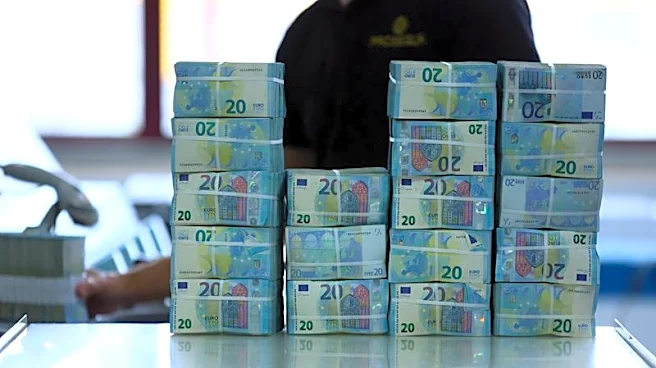
And with either a far-right or far-left candidate being possible winners in April, the politics is tense. The euro is feeling the heat, dropping to near 18-month lows against the dollar on Monday, as markets scale back the chances of another European Central Bank rate hike by year-end.
While it's too early to see ECB intervention in the bond markets, traders will watch closely to see how far other euro government debt spreads are affected.
In the background, Spanish Prime Minister Pedro Sanchez on Monday called a snap election over housing reform issues there. Some investors are already seeking safety trades, either in German bunds or even the Swiss franc, which surged against the dollar and euro late last week.
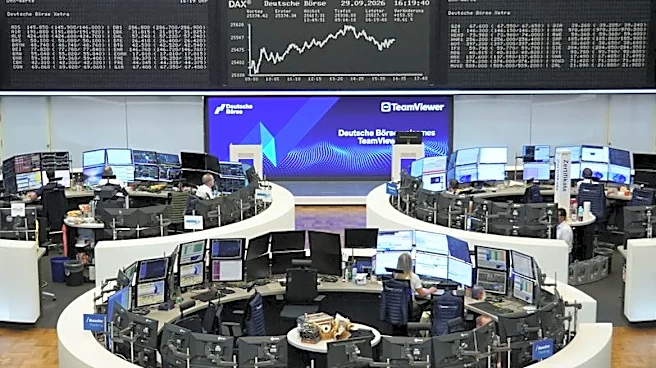
While French bank stocks have been under pressure, broader European equities have done OK, possibly helped by the weaker euro and reduced ECB rate hike expectations.
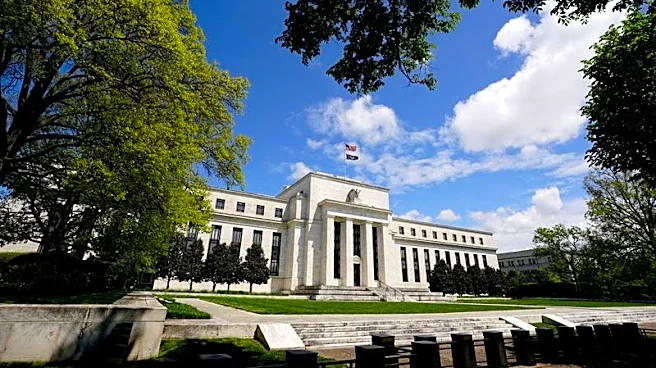
Back on Wall Street, the September payrolls rise of 29,000 was much less than forecast and prior months were revised lower. The unemployment rate ticked up, albeit mainly because more people are looking for work. The readout was enough to cut the chances of another Federal Reserve rate hike this month to around 20%.
Meantime, G7 countries' decision on Friday to release some 100 million barrels of diesel and crude has seen energy prices dial back a bit, helped by more signs of increasing amounts of crude getting out of the Middle East. The steadier oil price helped keep a lid on Treasury yields.
Elsewhere, Brazilian markets are braced for Monday's open after news that a better-than-expected showing for right-wing candidate Flavio Bolsonaro in Sunday's first round of presidential elections means the son of the convicted former president will now be in the run-off against incumbent Lula da Silva.
Chart of the day
Collectively, European countries are not far behind the United States in building data centers, amounting to about 80% of US numbers.
If AI is akin to an arms race, then both the strategic infrastructure buildout across Europe and AI adoption among its firms could well see the bloc rival the States, despite lagging in the early development of the tech.
Today's events to watch
• US ISM Services PMI for September (10 a.m. EDT)
Before you go, listen to the latest episode of the Morning Bid daily podcast, where we break down the country's predicament and the broader uncertainty in the euro zone.
Subscribe to hear Reuters journalists discuss the biggest news in markets and finance.
Want to receive the Morning Bid in your inbox every weekday morning? Sign up for the newsletter here. You can find ROI on the Reuters website, and you can follow us on LinkedIn and X.
Opinions expressed are those of the author. They do not reflect the views of Reuters News, which, under the Trust Principles, is committed to integrity, independence, and freedom from bias.