



By Chuck Mikolajczak and Johann M Cherian
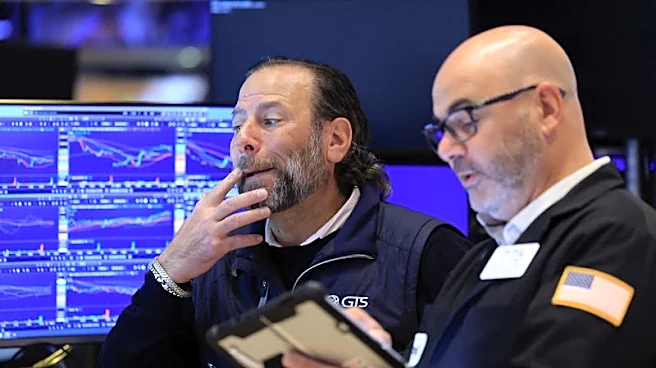
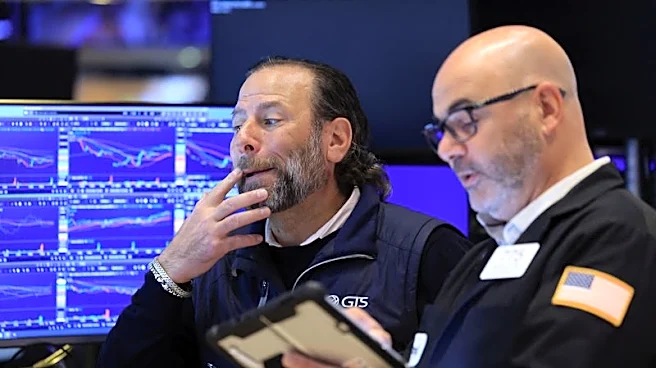
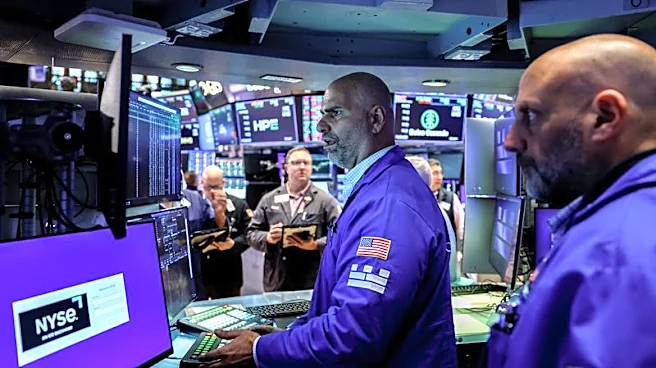
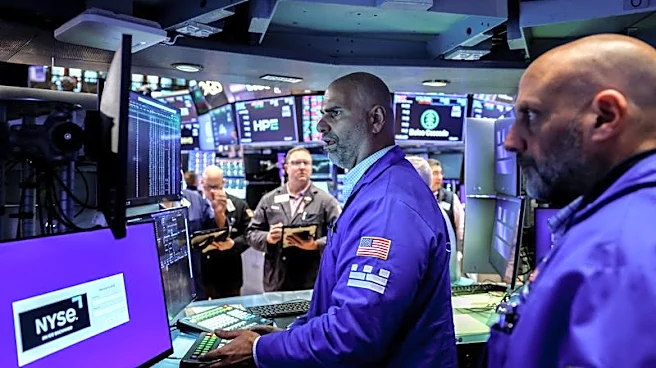
NEW YORK, Sept 28 (Reuters) - Wall Street's main indexes fell on Monday, though they pared steeper losses as oil prices and Treasury yields retreated from intraday highs, with investors weighing uncertainty over the prospects for an Iran war peace deal and the Federal Reserve's rate path.
Crude prices had jumped after US President Donald Trump rejected a peace deal from Iran but pared gains on expectations that Qatari mediators would hold talks with the two
countries to find a possible deal.
After retreating from highs at the start of the month, oil prices have accelerated higher in recent days as hopes that a peace deal may be on the horizon have diminished.
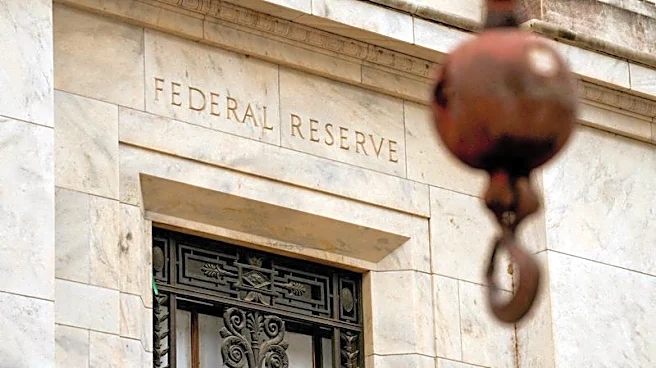
The rising prices of crude and diesel fuel have fanned inflation worries and pushed US Treasury yields higher, along with comments from Fed officials indicating that more rate hikes might be needed if price pressures fail to moderate after the central bank raised interest rates by 25 basis points earlier this month.
"Iran is driving oil prices, and oil prices are driving inflation, and inflation is driving interest rates," said Jack Ablin, chief investment strategist and founding partner at Cresset Capital Management in Chicago. "We're getting to a point now where interest rates are looking pretty attractive relative to equities, which is really the first time in close to 20 years, so that's something that we're certainly paying attention to."
"It's less of an earnings story right now than it is a valuation story," he said. "When you get an asset class that has been fighting with one arm tied behind its back for 20 years, now all of a sudden it's looking pretty competitive."
MAIN INDEXES POST DECLINES
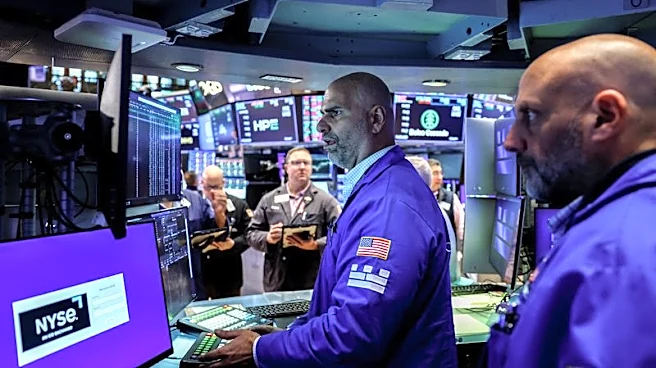
The Dow Jones Industrial Average fell 233.07 points, or 0.45%, to 51,595.55, the S&P 500 lost 42.06 points, or 0.54%, to 7,701.35 and the Nasdaq Composite lost 163.75 points, or 0.60%, to 26,904.96.
Helping to curb declines was Nvidia's gain of about 2% after the chip giant announced a $150 billion share repurchase authorization, the company's biggest-ever share buyback.
TRUMP REJECTS IRAN OFFER
Iran announced a peace proposal at last week's United Nations General Assembly in New York, saying it had been relayed to the United States through Qatari mediators. While Trump said on Saturday he had rejected the offer, he told Axios on Sunday that he expected US negotiators to continue talks this week.
Federal Reserve Governor Lisa Cook said on Monday she expects continued inflationary pressure in coming months stemming from AI-related demand and higher oil prices, though she stopped short of saying more interest rate hikes will be needed.
Expectations for a rate hike from the Fed at its October meeting have climbed in recent days, in part due to economic data indicating the economy was growing at a solid pace. Markets are currently pricing in a 68.1% chance for an increase of at least 25 basis points at the central bank's meeting next month, up from 57.6% a week ago and 17.7% a month earlier, according to CME FedWatch.
Several key economic releases are due this week, which could help shape the path of Fed policy, including a reading on inflation and the labor market, culminating in Friday's government payrolls report.
Tesla dipped more than 3% after brokerage J.P.Morgan lowered its price target on the stock, citing weak deliveries in the third quarter.
Declining issues outnumbered advancers by a 3.05-to-1 ratio on the New York Stock Exchange and by a 2.21-to-1 ratio on the Nasdaq.
The S&P 500 posted four new 52-week highs and 27 new lows while the Nasdaq Composite recorded 39 new highs and 215 new lows.
(Reporting by Chuck Mikolajczak in New York; Additional reporting by Johann M Cherian, Tharuniyaa Lakshmi and Pritam Biswas in Bengaluru; Editing by Devika Syamnath and Matthew Lewis)