









By Suban Abdulla
LONDON, July 21 (Reuters) - Britain's job market appears to have stabilised at weak levels with official data showing annual wage growth and unemployment steady in the three months to May and payrolled employment little changed in June despite political turmoil in Westminster.
Average wage growth, excluding bonuses, rose by 3.4% in the three months to May, matching the pace of increase in the three months to April, and the joint-lowest since October 2020, the Office for National Statistics
said.
The increase was in line with forecasts in a Reuters poll of economists and is unlikely to add to pressure on the Bank of England to raise interest rates, analysts said.
Britain's unemployment rate was 4.9% in the three months to May, slightly below economists' forecasts for it to rise to 5%.
BOE LIKELY TO HOLD RATES IN JULY
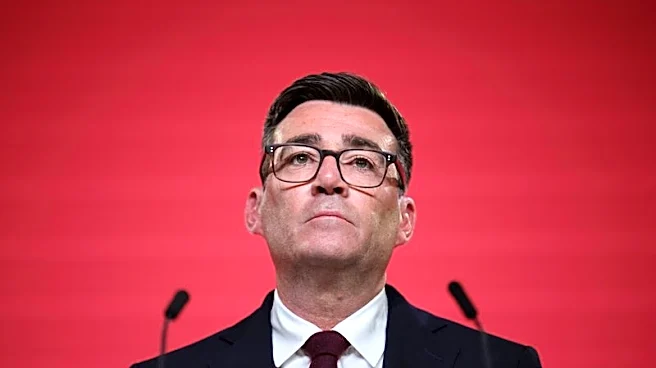
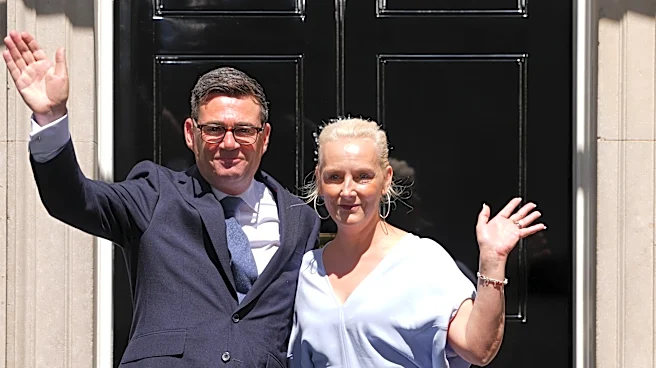
Andy Burnham became Britain's new prime minister on Monday - capping a campaign that ousted Keir Starmer from Downing Street - and on Tuesday his government announced measures to lower domestic power bills in an attempt to ease the cost of living.
The government is due to announce a 10-year plan for the country later this year.
Tuesday's data showed private sector pay growth, watched by the BoE as it has a more direct impact on prices, was the weakest since 2020 at 2.9% in the three months to May.
The British central bank is closely watching whether the energy price jump caused by the Iran war is turning into longer-term inflation pressures in the economy.
Financial markets on Monday showed that one or possibly two 0.25 percentage-point interest rate hikes were priced by the end of 2026.
"Today’s data reinforces the case for the Bank of England to keep interest rates on hold, with labour market conditions remaining soft and private sector wage growth continuing to ease," Yael Selfin, chief economist at KPMG, said.
"Private sector wage growth is now running below levels consistent with the Bank's inflation target, providing further evidence that domestic wage pressures are contained."
Data published last week showed the economy grew slightly in May, reversing a drop in April. Businesses have been concerned about the Middle East conflict and a change of prime minister.
Separate figures, based on tax office data, showed the number of workers on company payrolls fell by 4,000 in June. This data is often heavily revised and the initial rise of 2,000 reported for May was revised up to around 3,000.
(Reporting by Suban AbdullaEditing by William Schomberg and Alison Williams)