




By Sruthi Shankar and Ragini Mathur
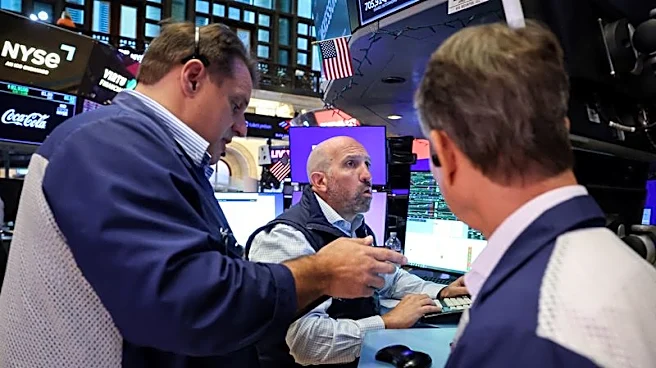
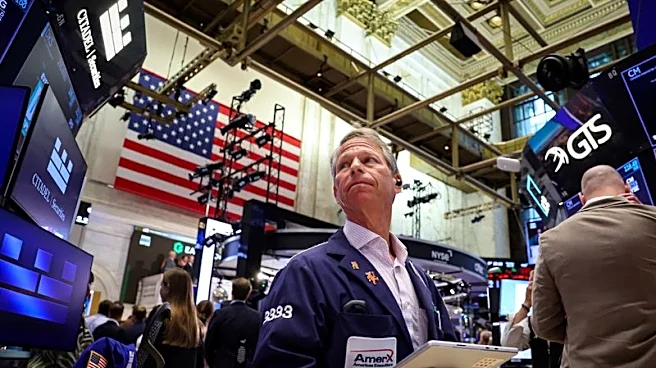
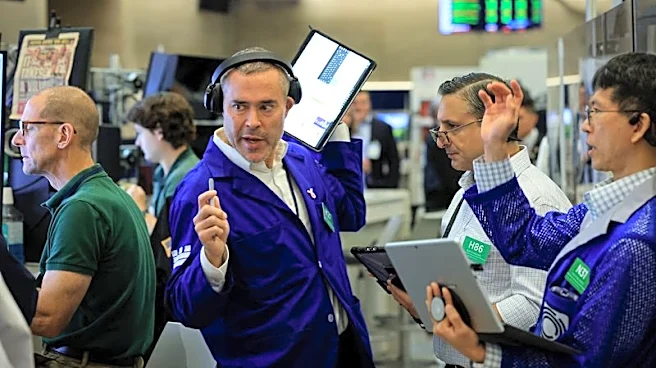
July 30 (Reuters) - U.S. stocks were set for a higher open on Thursday, as investors assessed a slew of economic data including an inflation reading, while Microsoft's forecast-beating results soothed investor concerns about massive AI spending by companies.
Microsoft rose 9% in premarket trading after the company forecast current-quarter sales and cloud growth that beat expectations, gave a capital expenditure outlook below Wall Street estimates and said it expects
to keep generating cash through its just-started fiscal 2027.
Investors have been spooked by rising AI costs at big technology firms even as they report strong earnings. Negative cash-flow reports from Alphabet and Tesla last week sparked a bout of selling in AI-linked stocks, with chip stocks also coming under pressure as investors question high valuations. The tech-heavy Nasdaq-100 <.NDX> dropped 10% from its early June peak on Wednesday.
In a sign that AI concerns were far from over, Meta Platforms shed 9.7% after the social media giant reported a 91% drop in second-quarter free cash flow, underscoring the financial strain of its costly AI buildout.
Apple and Amazon are scheduled to report earnings after markets close on Thursday.
On the economic data front, U.S. economic growth slowed in the second quarter amid a widening in the trade deficit, increasing at a 1.5% rate versus estimates of 2.1% growth.
A separate reading showed the Personal Consumption Expenditures (PCE) price index fell 0.1% in June, in line with analysts' expectations. The 'core' reading rose 0.1% on a monthly basis versus expectations of a 0.2% increase.
At 8:44 a.m. ET, Dow E-minis were up 180 points, or 0.35%, S&P 500 E-minis were up 43.25 points, or 0.59%, and Nasdaq 100 E-minis were up 436.25 points, or 1.6%.
U.S. stocks fell sharply on Wednesday, with the benchmark S&P 500 posting its biggest percentage drop since June 10, after the Fed left interest rates unchanged in the 3.50% to 3.75% range, but mixed messages from new Fed Chair Kevin Warsh left traders confused about the path of borrowing costs.
"The markets were very confused, which explains the yield reaction and then this morning, the hold on rates is justified when you're looking at the downward movement of PCE numbers," said Anna Rathbun, CEO and founder of Grenadilla Advisory.
Bond markets were on edge, with the yield on the 30-year Treasury bond surging to its highest level in 19 years, as investors grew increasingly concerned about the central bank's monetary-policy outlook and sought greater protection against future inflation.
Traders currently see a 64% chance that the U.S. central bank will raise interest rates by 25 basis points at its September meeting, according to LSEG-compiled data.
Among other stocks, Qualcomm fell 3.2%, as the chipmaker forecast fourth-quarter profit below estimates and said revenue from Apple products would decline faster than expected.
Cybersecurity firm Fortinet gained 11% after lifting its annual revenue forecast, signaling strong enterprise spending on its services amid rising data security incidents.
Starbucks climbed 4.6% after the world's largest coffee chain raised its annual sales and profit forecasts.
Nearly half of S&P 500 companies have reported second-quarter results so far. Of those, 85.2% have topped analysts' profit estimates, as per LSEG IBES data, compared with an average beat rate of 68%.
(Reporting by Sruthi Shankar, Shashwat Chauhan and Ragini Mathur in Bengaluru; Editing by Maju Samuel)