





By Siddharth Cavale
NEW YORK, Sept 15 (Reuters) - Oil prices settled $3 higher on Tuesday after shipping industry sources said crude loadings at Saudi Arabia's Red Sea export hub of Yanbu had been suspended and Riyadh had canceled some cargo deliveries to European customers, deepening concerns that disruptions to a critical oil-export route could persist for weeks.
Gains in U.S. West Texas Intermediate crude futures outpaced Brent on Tuesday, as fears that Saudi Arabia's supply troubles were widening
sent investors rushing into U.S. crude as an alternative.
Brent finished up $3.07, or 2.9%, at $108.75 a barrel, while WTI closed up $4.44, or 4.38%, at $105.83 a barrel. Both contracts closed at their highest since May 19.
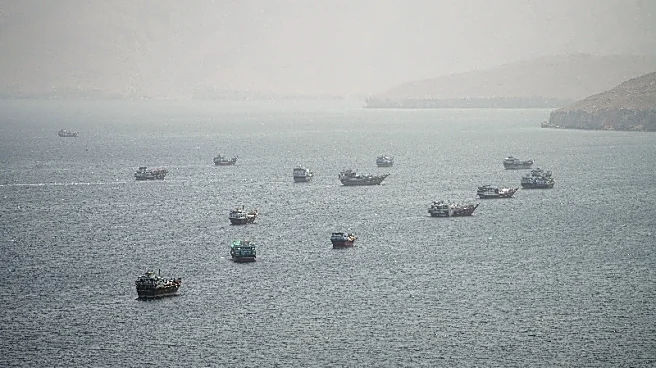
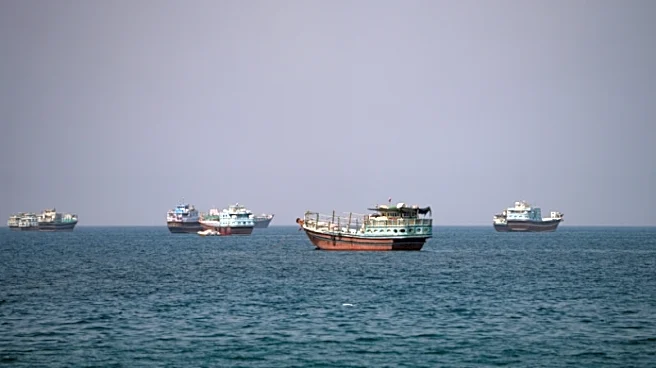
The port of Yanbu has taken on outsized importance for global supply since the U.S.-Israeli war on Iran caused the closure of the Strait of Hormuz, a critical waterway that was the conduit for one-fifth of the world's oil and liquefied natural gas supplies.
The war has forced Saudi Arabia to reroute crude westward via the roughly 1,200-kilometer East-West pipeline that carries oil from the east to Yanbu on the west coast, allowing exports to leave through the Red Sea without tankers passing through the strait.
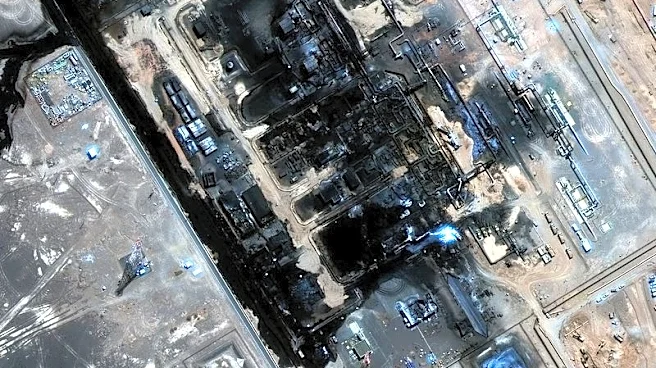
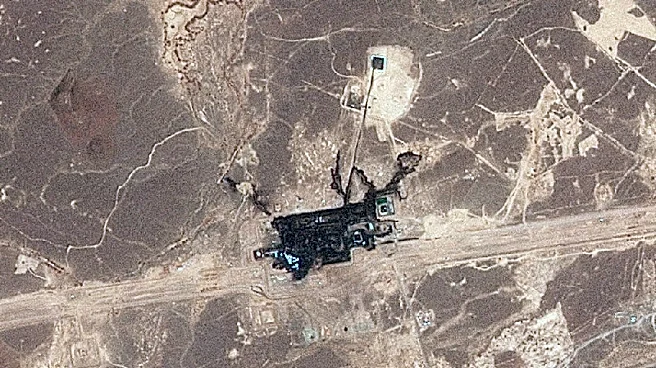
Attacks on the East-West Pipeline by Yemen's Iran-aligned Houthis on Friday, however, forced the kingdom, the world's largest crude exporter, to shut the key export route.
Supply concerns intensified after Houthi forces launched fresh attacks on Saudi Arabia on Monday, while Gulf Arab states postponed planned discussions with Iran.
On Tuesday, shipping industry sources told Reuters that oil loadings at Saudi Arabia's Red Sea export terminal in Yanbu had been suspended. The report came after sources said Riyadh had informed European customers that some late-September crude cargoes would be cancelled.
Andy Lipow, president of Lipow Oil Associates, said the cancellation of some Saudi crude shipments to Europe has strengthened expectations that European refiners will turn to U.S. supplies, helping lift WTI relative to Brent.
Traders have been buying WTI futures on bets that disruptions to Saudi exports will last longer than expected, Lipow said. Because U.S. refiners can readily switch between crude grades, demand for sweet crude such as WTI could increase, lending further support to prices, he added.
LIBYA DISRUPTIONS
In Libya, separate from the Iran conflict, the National Oil Corporation (NOC) said operations at three oil fields were suspended after protesting members of the Petroleum Facilities Guard shut a valve on the Hamada-Zawiya crude export pipeline.
The Guard warned the shutdown could be expanded if its demands are not met. The NOC said it may declare force majeure if the valve remains closed or if additional fields are forced to halt production.
Meanwhile, continued attacks on energy infrastructure in Russia and Ukraine sent U.S. diesel futures and diesel cracks to a record close.
"Fresh attacks by the Houthis targeting Saudi Arabia may be influencing oil market investors' expectations about the severity and duration of the conflict," said Hamad Hussain, senior climate and commodities economist at Capital Economics.
Saudi Arabia could exhaust crude available for export within days unless the East-West Pipeline resumes operations, according to buyers and traders. The pipeline strike threatens up to 4% of global oil supply.
Goldman Sachs said in a note the latest repair assessments range from 'very soon' to eight weeks.
U.S. Energy Secretary Chris Wright told CNBC on Tuesday that oil should be flowing through Saudi Arabia's vital East-West pipeline within days.
SUPPLY RISKS MOUNT
The attacks on oil infrastructure marked a significant escalation of the conflict and increased the probability of Brent rising above $120 a barrel, Goldman Sachs said, citing a scenario in which average Gulf oil output in 2027 remains 4 million barrels per day below pre-war levels.
Commodity vessel traffic through the Strait of Hormuz dropped to four on Monday, down from 10 a day earlier, preliminary data from Kpler showed on Tuesday.
Russia hit petrol stations in Kyiv on Tuesday and Ukraine struck a Russian oil refinery, as the warring sides carried on with strikes on each other's energy targets despite an announcement by U.S. President Donald Trump that they had agreed to stop.
Half of Russia's six top diesel-producing refineries were forced to significantly cut back or completely halt output in September due to damage sustained in drone attacks, according to Reuters calculations based on data from fuel market participants.
(Reporting by Siddharth Cavale in New York, Colleen Howe in Beijing and Anushree Mukherjee and Pranav Mathur in Bengaluru. Editing by Louise Heavens, Kirsten Donovan, Mark Potter, Nick Zieminski, Sanjeev Miglani and David Gregorio)