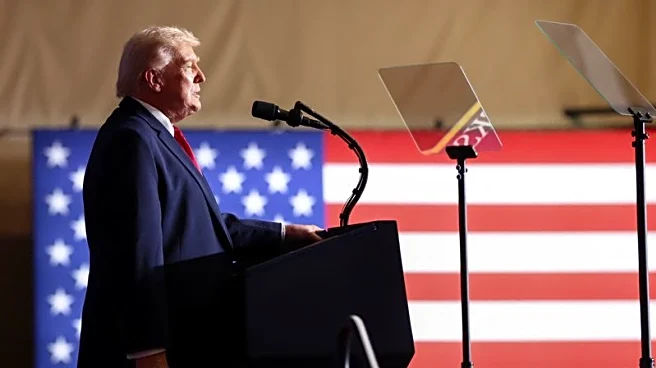




SINGAPORE, Jan 28 (Reuters) - The dollar was on the ropes near multi-year lows on Wednesday after investors sold it aggressively when U.S. President Donald Trump seemed to shrug off its recent decline, while Wall Street marched on to fresh record highs.
The dollar's dive has hoisted the euro over $1.20 for the first time since 2021, sent the Australian dollar above 70 cents to a three-year high and lifted gold and commodity prices, which are counted in dollars, sharply.
The ailing yen shot further
away from recent lows, before trade steadied in the early hours of the Asia session.
"Dollar's doing great," Trump had replied, when a reporter asked him if he thought it had fallen too much lately.
Ahead of the comment, the dollar had notched its biggest three-day drop since the fallout from last April's tariff blitz, and markets were unnerved by Trump's erratic Greenland diplomacy and signals the U.S. was willing to help Japan to boost the yen.
"FX market participants are always looking for a trend to jump on," said Steve Englander, head of global G10 currency research at Standard Chartered in New York.
"Often officials push back against abrupt currency moves but when the President expresses indifference or even endorses the move it emboldens USD sellers to keep pushing."
Last week the New York Federal Reserve checked prices for the dollar's rate against the yen, a source told Reuters at the time, which the market took as a signal that U.S. authorities wouldn't mind and may even help if Japan pushed the yen higher.
A turbulent first year of Trump's second term already had the dollar slide more than 9% in 2025 - the largest fall since 2017 - as his attacks on the Federal Reserve's independence, his spending and foreign policy unsettled investors.
The weaker dollar helped gold strike a fresh record of $5,188.95 an ounce overnight and U.S. crude to break through its 200-day moving average for the first time in six months to $62.54 a barrel.
Bitcoin has largely missed out on the rally and remains pinned below $90,000. Benchmark 10-year Treasury yields were a fraction higher in Tokyo at 4.237%.
On Wall Street, health insurers plunged as the Trump administration proposed a much smaller rise in government payouts to insurers than investors had expected.
The S&P 500, however, rose 0.4% to a record closing high and futures inched 0.1% higher in Asia.
Around regional markets Australian shares made small gains, South Korea's KOSPI jumped 1.7% to a record high and Japan's Nikkei, which tends to move inversely to the yen, fell 0.7%.
(Reporting by Tom WestbrookEditing by Shri Navaratnam)