




By Phil Stewart and Patricia Zengerle
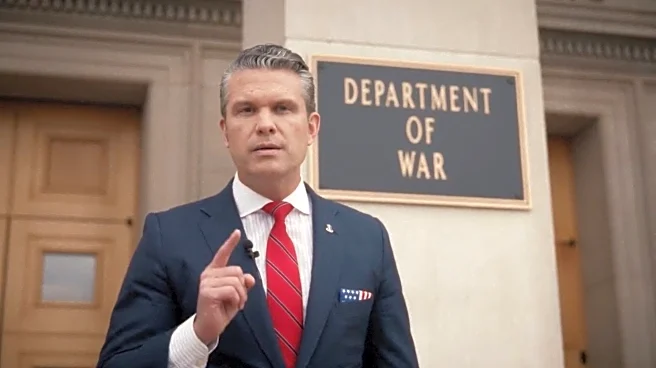
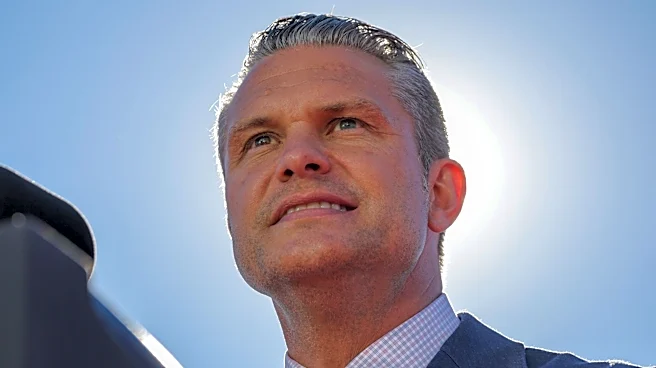
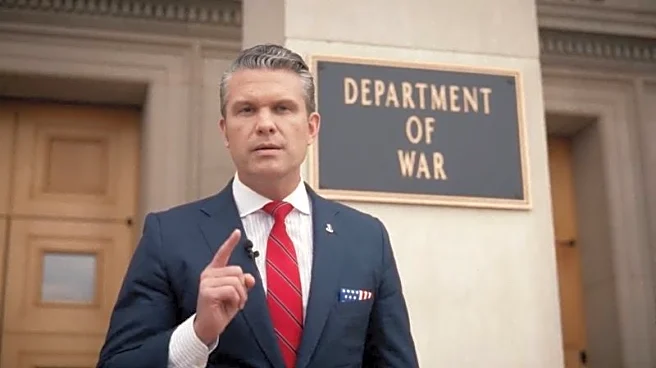
WASHINGTON, Nov 9 (Reuters) - Pete Hegseth, the US defense secretary, calls himself the secretary of war, part of his effort to rebrand a military he said was too weak and "woke" when he took office last year. Now, with a House impeachment vote expected this week, he could soon share something in common with an actual secretary of war.
William Belknap, who held that title in 1876, became the first, and to date only, civilian leader of the US military to be impeached
by Congress.
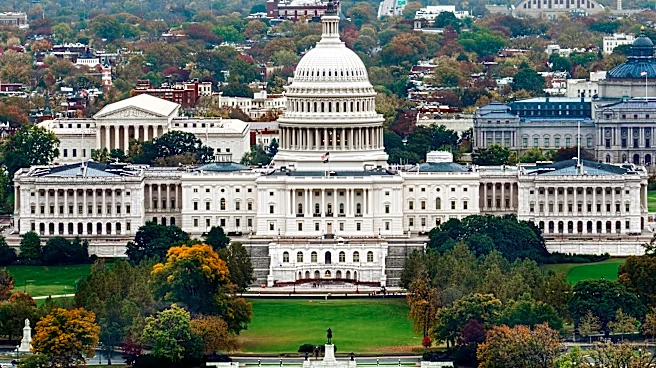
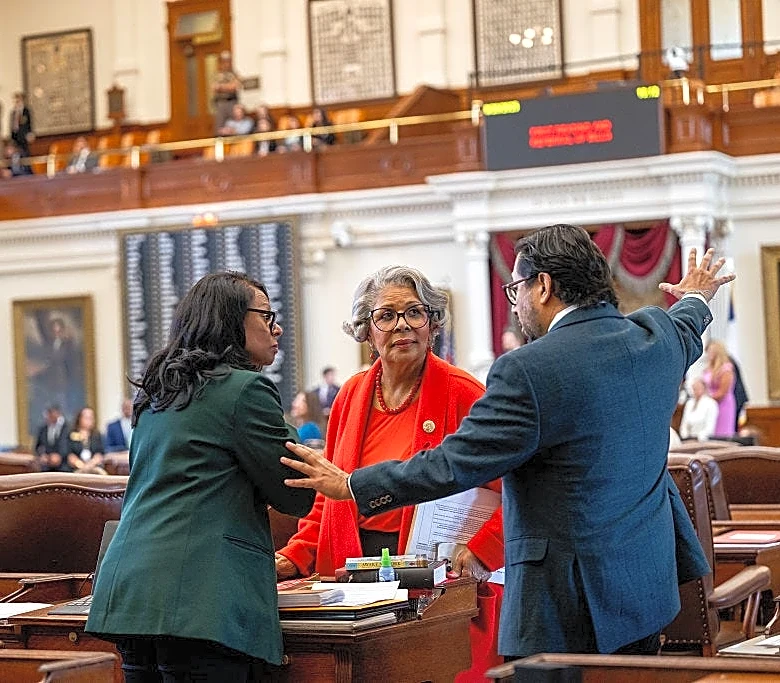
US Representative Thomas Massie, a Kentucky Republican, introduced articles of impeachment on Monday, setting off a two-day clock for an expected House vote on charges including waging war against Iran without congressional approval and other abuses of power.
Congressional sources say the resolution may have the simple majority needed to pass the Republican-controlled House before Democrats take over on January 3. Conviction appears unlikely in the Senate, however, where a two-thirds majority is required and Republicans hold 53 of 100 seats.
House Speaker Mike Johnson opposed the effort, saying impeachment “in the middle of hostilities abroad” would be “a terrible thing for our allies and our enemies to see.”
Voter anger over the war helped Democrats win control of Congress in last week's midterm elections, intensifying Republican divisions over a conflict that Vice President JD Vance has publicly questioned and Hegseth has defended as “courageous and historic.”
Accused of taking huge kickbacks, Belknap handed President Ulysses Grant his resignation ahead of his scheduled impeachment vote and, according to a Senate history, “burst into tears.” The House impeached him anyway, but the Senate later acquitted him after falling short of the required two-thirds majority.
By contrast, Hegseth is promising to stay and fight.
HEGSETH DEFIANT
Hegseth has mounted a social media campaign, saying in a defiant video message last week that he would not back down. He also drew a comparison to President Donald Trump, who was impeached twice, saying: "It didn't work against President Trump, and it won't work with me."
Asked if he had enough Republican support to defeat the impeachment push, Hegseth said on Monday: "We're not worried about that." He announced a Tuesday press conference, his first at the Pentagon since May.
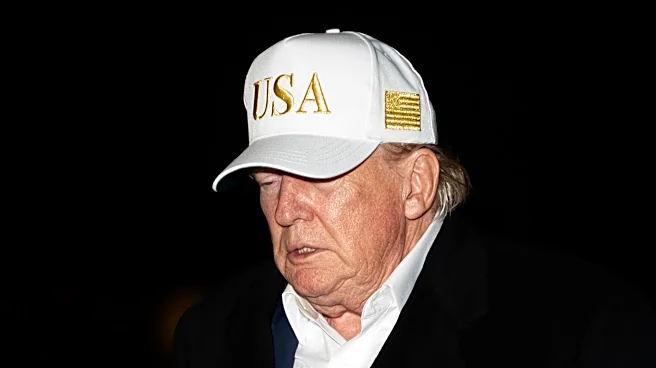
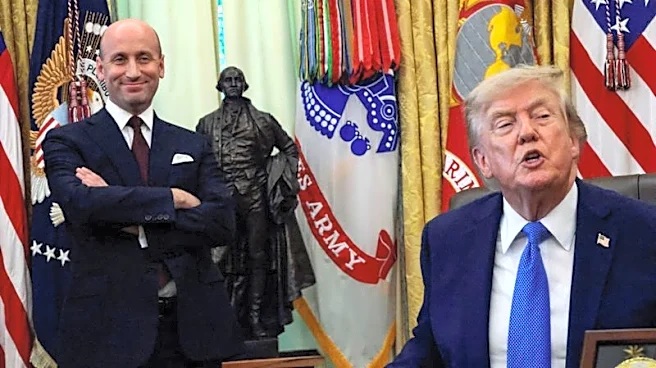
Trump has backed Hegseth and condemned the impeachment push in an interview with CBS's "60 Minutes" broadcast on Sunday.
"They want to impeach him. Very unfair. We had two wars, we won both," Trump said, according to a CBS transcript of the full interview.
Trump referred to both the Iran war, which is at an impasse, and to Venezuela, where the US military deposed that country's president, Nicolás Maduro, in a surprise January commando raid on his compound in the Venezuelan capital.
DEFENSE SPENDING AT RISK?
Some Republican lawmakers have expressed concern that if Hegseth stays, his strained relationship with Congress will undermine the Trump administration's push for a $1.5 trillion defense spending package.
Massie, a Trump critic who is leaving office in January, warned in a statement on Monday that impeachment would be "much gentler" than what's in store for Hegseth once Democrats take control in January.
"They will hold hearings and trials. President Trump should replace Secretary Hegseth now while he can still get a replacement confirmed in the Senate," Massie said.
Democrats have promised to investigate Hegseth over issues including the firing of the chairman of the Joint Chiefs of Staff and other senior leaders.
House Democratic leader Hakeem Jeffries said on Sunday he was a "hard yes" on a measure to impeach Hegseth.
Massie's articles of impeachment accuse Hegseth of "high crimes and misdemeanors" ranging from waging the Iran war to various alleged abuses of power, including violating the free speech rights of US Senator Mark Kelly, an Arizona Democrat.
Last year, Hegseth sought to prosecute Kelly after he and five other Democrats in Congress with backgrounds in the military and intelligence urged US troops to refuse illegal orders. Hegseth accused them of sedition, something Trump at the time said in a social media post was "punishable by DEATH!"
(Reporting by Phil Stewart and Patricia Zengerle; additional reporting by David Morgan; editing by Don Durfee and Howard Goller)