



By Jan Wolfe and Jack Queen
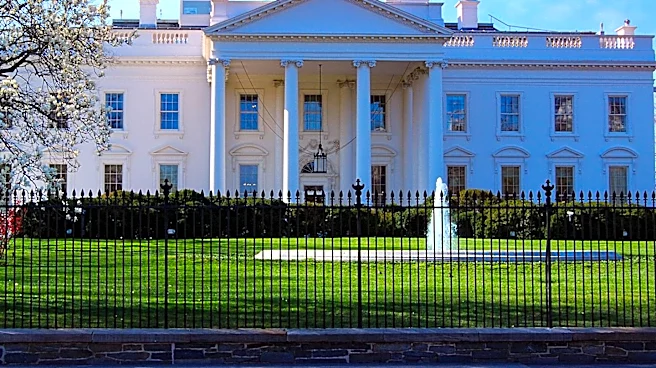
WASHINGTON, Sept 23 (Reuters) - A US judge told a hearing on Wednesday that President Donald Trump's decision to ban CNN, MS NOW and Politico from the White House did not appear to comply with prior rulings by a federal appellate court, as he considers whether the news outlets should have their access restored.
A federal judge began a hearing on Wednesday to consider whether CNN, MS NOW and Politico should have their White House access restored after they were banned by
President Donald Trump in one of his most dramatic clashes with the media.
The outlets said the ban violated the US Constitution's First Amendment protections for freedom of speech and a free press as well as their rights to due process.
US District Judge Timothy Kelly, a Trump appointee, held the hearing in Washington to consider a request by CNN, MS NOW and Politico for a temporary restraining order that would immediately reinstate their White House access while a legal challenge they filed on Monday plays out.
Kelly said that two precedents from the US Court of Appeals for the District of Columbia Circuit make clear that journalists are entitled to due process before their White House press passes can be revoked. The judge added that it did not appear that the White House had given the three news outlets a meaningful opportunity to contest the revocation of their access.
"The government said those cases ... were wrongly decided," Kelly said. "Maybe they were wrongly decided, maybe they weren't. But as a district court judge I have to apply them. I think it is fair to say the process the circuit laid out in those two cases wasn't followed here."
A lawyer for the news outlets told Kelly that they were banned without legally required advance notice or opportunity to contest the decisions.
"By ejecting and banning the plaintiffs from the White House without a semblance of due process here, defendants have imposed what really amounts to an unprecedented, unreasonable and severe punishment," attorney Theodore Boutrous said.
NATIONAL SECURITY CONCERNS
In a legal filing on the eve of the hearing, the Justice Department argued that access to the White House is a privilege, not an entitlement, and that the president had the authority to suspend access by news organizations. The department also echoed Trump's contention that the bans are justified by national security concerns regarding news coverage by the outlets.
The news outlets have accused Trump of unlawful discrimination against them based on their viewpoints.
"The viewpoint discrimination is probably the clearest case in history. I mean, the president said, 'I don't like what you're publishing. I'm taking away your press pass based on that,'" Boutrous told the hearing.
"They are using national security as this talisman — these magic words," Boutrous said. "It is just a pretextual, post hoc effort to justify just a blatant violation of due process."
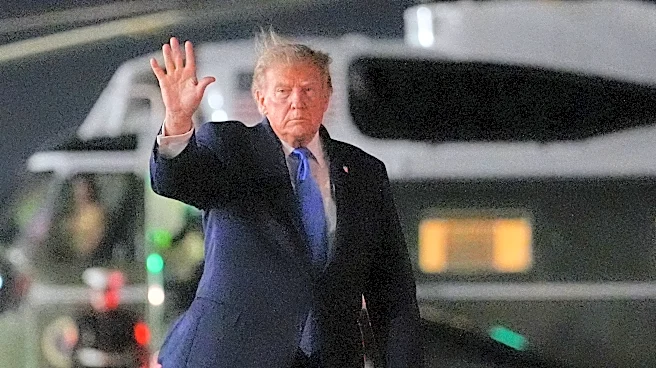
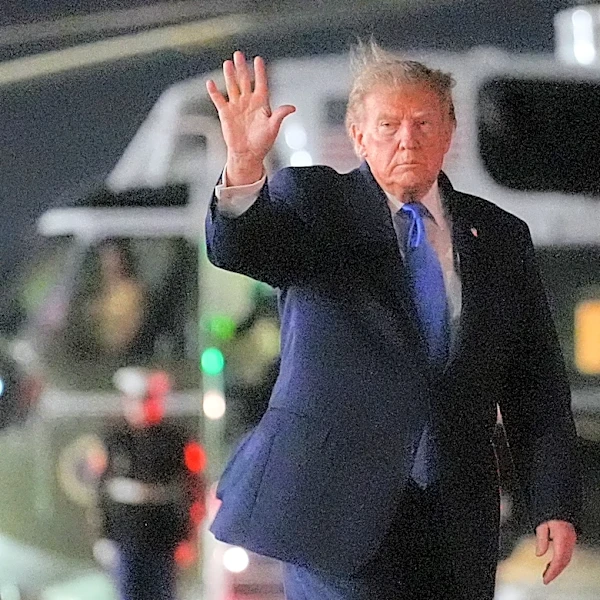
Trump announced the ban on Friday on his social media platform, saying those news organizations "shouldn't be able to constantly write or report FICTION and LIES when they're covering the President of the United States."
The government on Tuesday said it sent letters to the outlets after the ban that accused them of endangering national security with their reporting, citing stories about US missile stockpiles, construction of Trump's White House ballroom and turnout at the Republican Party's recent midterm convention.
"This ban could not be a more direct assault on the First Amendment nor a more blatant violation of our most fundamental constitutional principles," the outlets said in their lawsuit.
Trump has accused the media of trying to hurt his fellow Republicans ahead of the November midterm elections in which the party is fighting to retain control of Congress at a time when opinion polls show Trump's job approval ratings sagging.
POOL COVERAGE
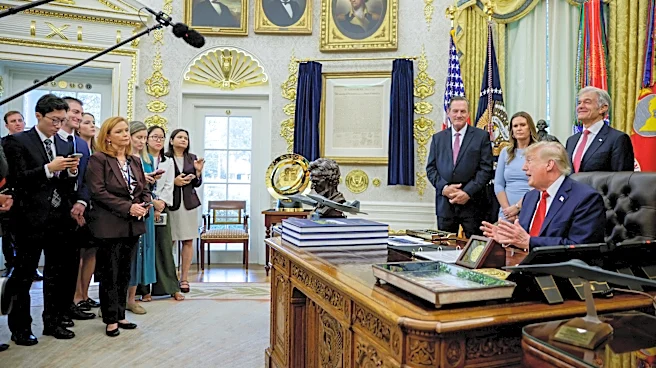
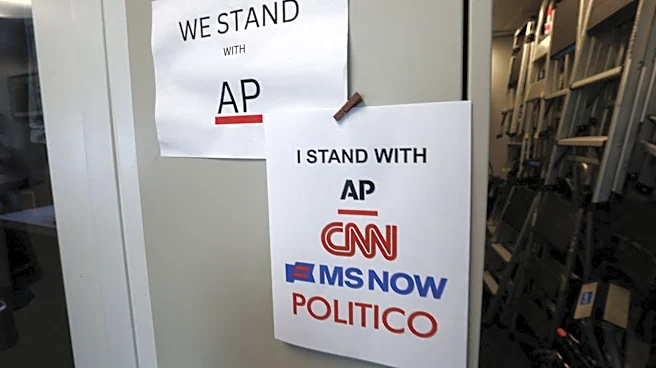
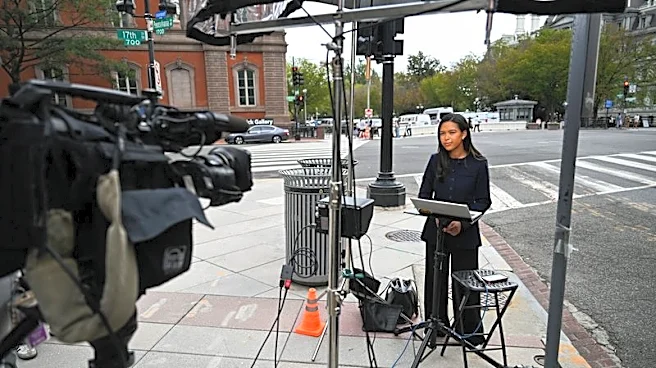
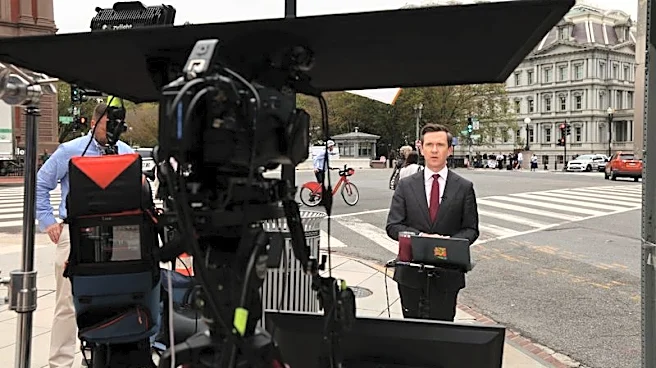
In a show of solidarity, major US television networks on Monday suspended their pooled coverage of Trump's movements. That upended a system in place for decades that allows Americans to see their president's public movements on TV.
With the press pool absent, Trump's remarks on Monday were inaudible during the White House's live stream of a ribbon-cutting ceremony for its new helipad.
Trump's ban is on shaky legal ground, according to free speech experts, who said US courts have long held that the government cannot condition press access on favorable coverage once it has opened a space to the media.
In a 2018 case that raised similar legal issues, Kelly ordered the White House to restore CNN correspondent Jim Acosta's press pass, which had been revoked after a contentious news conference with Trump. Kelly ruled in that case that the White House had not used fair and clear procedures to revoke Acosta's credential, calling the process "shrouded in mystery."
In a social media post on Monday, Trump indicated regret over appointing Kelly to the bench in 2017, during his first term as president, and said he was bracing for a loss.
Although past presidents have battled with the press, Trump's campaign against the media has been unprecedented. He has upended decades of tradition by denying basic access to many major news organizations, launching personal attacks on journalists for their reporting, and elevating media outlets seen as more sympathetic to the administration. He also has filed lawsuits against multiple news outlets.
A coalition of press freedom groups and dozens of news organizations filed a legal brief on Wednesday supporting the three news outlets targeted by Trump. They asserted that "stripping journalists and news outlets of their rights because of perceived editorial viewpoint violates decades of Supreme Court jurisprudence and is impermissible in any type of forum, including the White House."
The brief was signed by the Reporters Committee for Freedom of the Press, Reuters, the Washington Post and Fox News, among others.
(Reporting by Jan Wolfe and Jack Queen; Editing by Tom Hals, Noeleen Walder, Edmund Klamann and Will Dunham)