







FRANKFURT, July 28 (Reuters) - The German economy likely grew modestly in the second quarter, despite headwinds from the war in the Middle East, as its vast industrial sector remained relatively resilient and consumers kept spending, the Bundesbank said in a monthly report.
The world's third-largest economy has been broadly stagnant for years and 2026 was expected to be the year of its turnaround as a big surge in government spending is fuelling an investment boom.
But the drag from the war, via higher
energy and commodity costs, is offsetting much of that boost and economists polled by Reuters see just a 0.1% quarter-on-quarter rise in economic output in the three months to June.
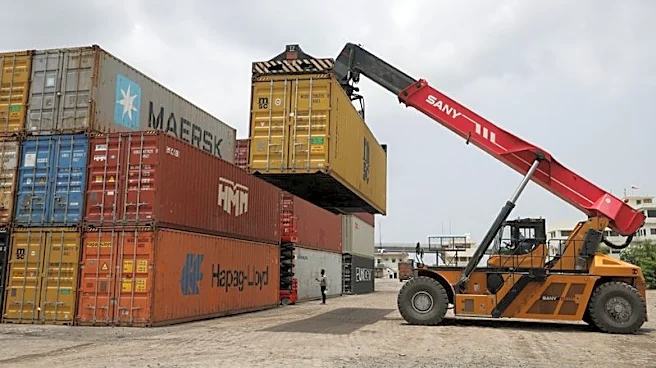
"The industrial sector is benefiting from dynamic foreign demand and growing exports," the Bundesbank said on Tuesday.
"Consumers remained relatively undeterred by high energy prices and the associated loss of purchasing power, likely keeping their consumption spending at least stable," the central bank added.
Germany may have received some one-off boosts, too. Commodity and intermediate goods shortages were likely to have hurt some key Asian rivals more, while expectations for shortages later on may have encouraged some customers to frontload purchases.
"Provided the situation in the Middle East does not escalate further, the strain caused by the war could be less severe in the third quarter than the average level seen in the second quarter," the Bundesbank added.
Still, the overall picture is far from rosy as the one-offs are likely to fade and the war will remain a drag, suggesting that overall growth will be weaker, the Bundesbank said.
The Bundesbank in June predicted full-year growth of 0.5% this year, accelerating to 0.8% next year. Figures from the European Commission and the IMF are slightly more optimistic for 2026, however.
Inflation, already under pressure from higher energy costs, could accelerate further in the coming months and the indirect effects of higher energy costs are likely to be felt gradually, the bank added.
(Reporting by Balazs KoranyiEditing by Peter Graff)