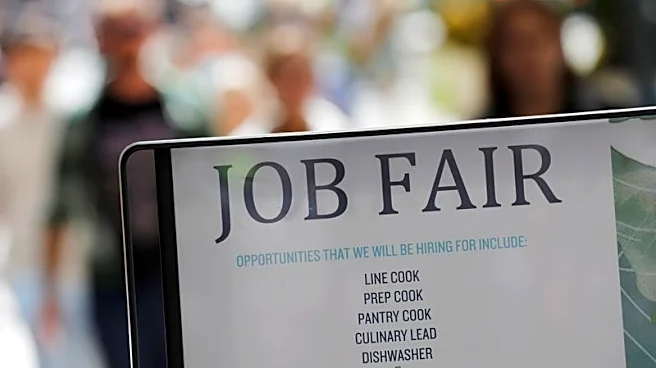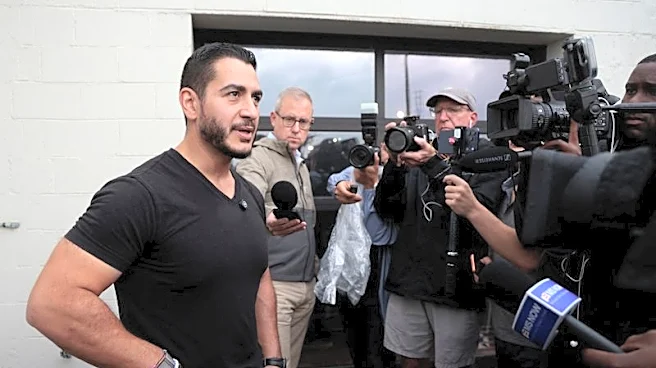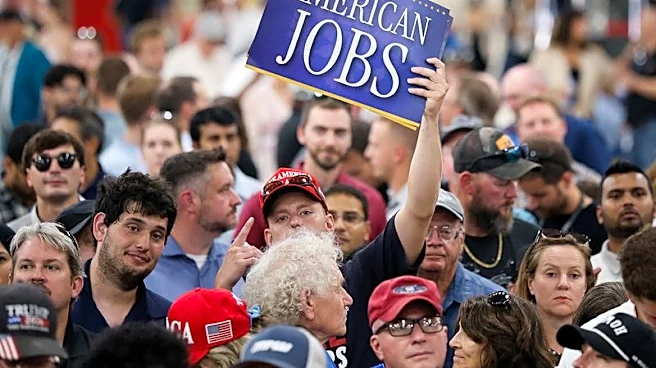

NEW YORK, Aug 7 (Reuters) - The U.S. economy unexpectedly shed jobs in July and nonfarm payrolls for the prior month were revised sharply lower, potentially raising questions about whether the Federal Reserve will increase interest rates next month.
Nonfarm payrolls decreased by 23,000 jobs last month after a downwardly revised 20,000 increase in June, the Labor Department's Bureau of Labor Statistics said in its closely watched employment report on Friday. Economists polled by Reuters had forecast
payrolls rising 80,000 after advancing by a previously reported 57,000 in June. Payrolls have a tendency to be softer in July.
The unemployment rate fell to 4.1% from 4.2% in June as the labor force participation rate declined further.
Prior to the report, financial markets anticipated a September interest rate hike from the Fed. The U.S. central bank last week left its benchmark overnight interest rate in the 3.50%-3.75% range. Three members of the Fed's policy-setting committee dissented, preferring a quarter-percentage-point hike.
MARKET REACTION:
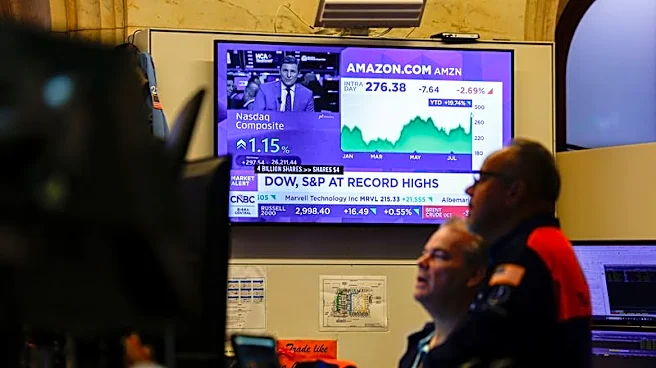
STOCKS: Stock futures rose, with the Nasdaq composite set to rise 1.1% and the S&P 500 on track to add 0.5%.
BONDS: U.S. Treasury yields fell, reflecting a rise in prices as rate-hike expectations ebbed. The 2-year note, most sensitive to Fed policy expectations, fell 8 basis points to 4.16% and the 10-year note dropped 6 basis points to 4.61%.
FOREX: The U.S. dollar index slipped alongside rate expectations, with the lately down 0.5% at 99.43. Among beneficiaries was the yen, which rose to 157.20 after earlier approaching 159, a level that traders said raised the prospect of intervention.
RATES: Fed funds futures were pricing in 40% odds of an interest-rate hike at the Fed’s September meeting, down from 55% before the data.
COMMENTS:
BRIAN JACOBSEN, CHIEF ECONOMIST, ANNEX WEALTH MANAGEMENT, MENOMONEE FALLS, WISCONSIN:
"The Fed will have to tread carefully. Hiking rates hits manufacturing first and more than services. Will choking off a nascent recovery in manufacturing employment really help inflation? Services inflation has been moderating. Goods inflation has been driven more by tariffs and energy than loose money. The cure may be worse than the disease when the disease seems more seasonal than structural. To deal with the structural issues, Warsh will likely advocate for prioritizing shrinking the Fed’s balance sheet instead of hiking rates to deal with structural inflation. The Chair could dissent in September if too many others push for a hike."
ANTHONY SAGLIMBENE, CHIEF MARKET STRATEGIST, AMERIPRISE FINANCIAL, TROY, MICHIGAN:
“Even with a negative job print, the job market remains healthy. But it gives the Fed some room to pause in September. It has seemed like the Fed is pressing more on the inflation front, but today's numbers may reframe that conversation a little bit and put the labor side of the mandate in focus.
“One number is not a trend. So I wouldn’t read too much into it. But a weaker employment figure might give the Fed a little bit more reason to think about the impact of potential rate hikes. Our view is that they won’t raise rates in September.”
LINDSAY ROSNER, HEAD OF MULTI SECTOR FIXED INCOME INVESTING, GOLDMAN SACHS ASSET MANAGEMENT, NEW YORK:
“History doesn’t repeat, but sometimes it rhymes. For the third time in as many years, July jobs data saw a mid-summer loss of momentum. While incoming inflation data will be the ultimate arbiter, slowing jobs growth helps support a September hold."
(Reporting by Lucia Mutikani, Chuck Mikolajczak, S. Siddarth, Niket Nishant; editing by Colin Barr)