








Oct 27 (Reuters) - Jordan said on Tuesday its forces had killed more than 20 Islamic State militants in airstrikes on southern Syria the previous evening, following a deadly church attack in Jordan that authorities linked to militants operating across the border.
The strikes, which followed a rare attack in Jordan, have inflamed tensions between the two US allies.
Jordan has been a longtime partner to the US in its fight against extremism, while the Islamist-led government of Syria's President Ahmed
al-Sharaa, who wants to restore the country's relations with the West after overthrowing longtime ruler Bashar al-Assad in 2024, said it was seeking to curb extremism.
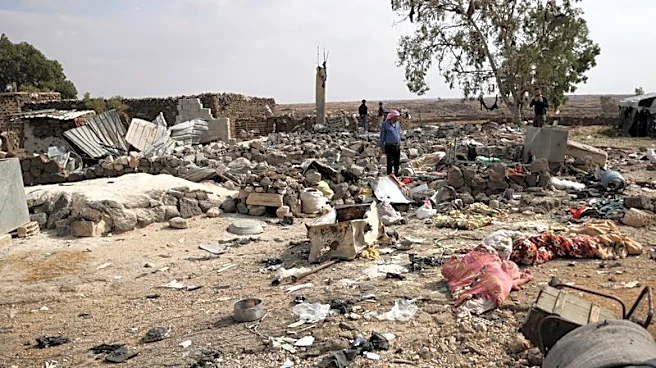
Syria said the strikes killed seven people, including three children and a woman. Jordan regrets the civilian casualties, Government Communication Minister Mohammed al-Momani said in a post on X.
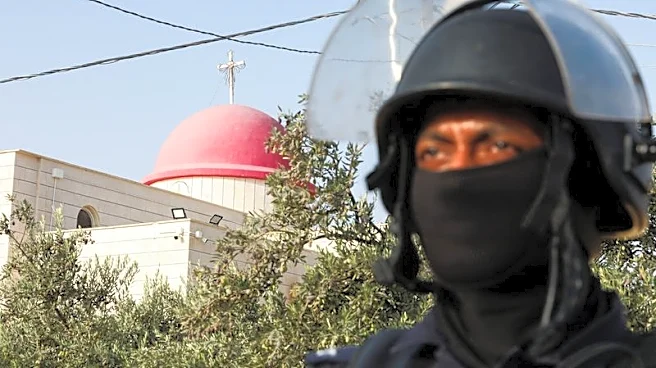
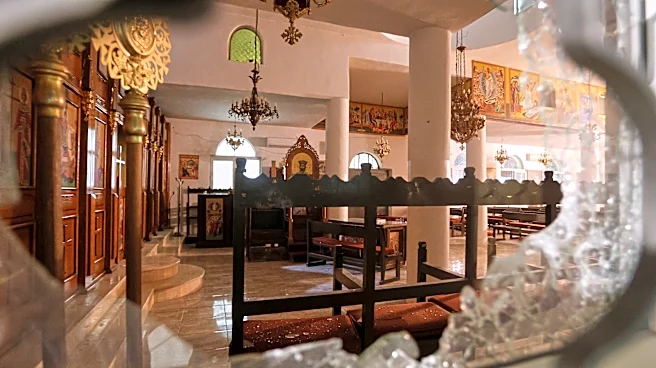
Jordan said on Monday its air force had struck what it described as militant hideouts in southern Syria after determining that the suspects behind last week's church attack were linked to "terrorist groups" based there. Jordanian security officials said separately that security forces had arrested two brothers and their brother-in-law following a shootout linked to the church attack, which killed nine people.
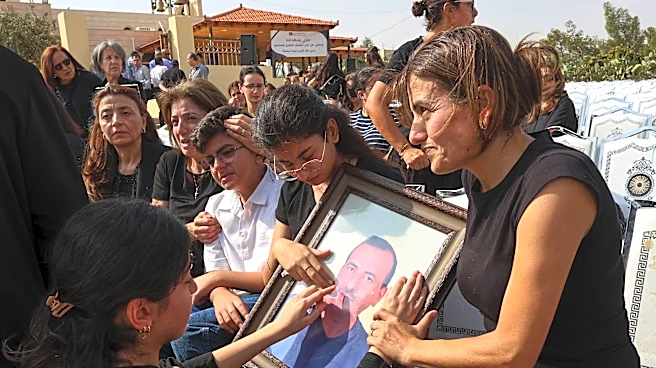
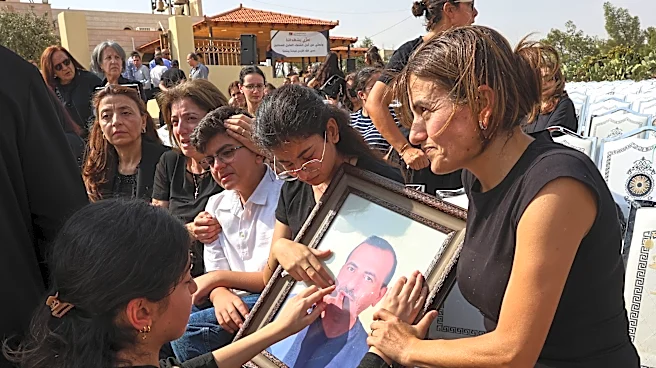
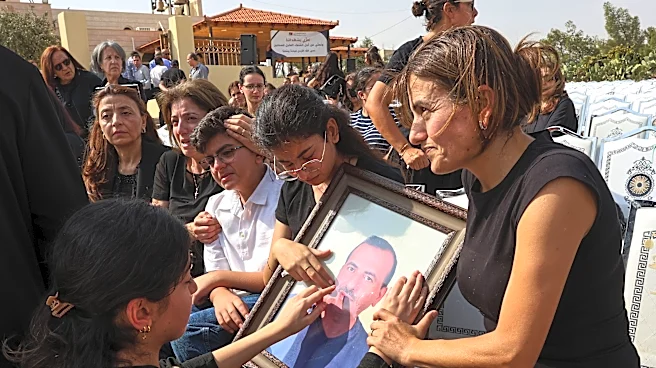
Local resident Salah Mahwash, speaking to Reuters during the funeral of four people including three children in Al-Mismiyah in southern Syria, said:
“At around 10 p.m., there was an explosion and the sound of aircraft overhead. We went to the site, and it was a poor family whose father had gone missing during the events and was in Sednaya prison.
"Today, as you can see, these are people just trying to make a living, tending to their sheep and goats and doing manual labour. We condemn what happened in the Jordanian state, of course.”
Attacks such as the church shooting are rare in Jordan, a relatively stable US ally in the Middle East. No group has claimed responsibility for the shooting, although Jordan said the militants it targeted in Syria were members of Islamic State.
Monday's strikes have nevertheless sparked anger in Syria. While the Jordanian military said they were conducted in coordination with Damascus, Syria's government said they were carried out without prior coordination. It also said it would hold an investigation.
Statements in recent days by Jordanian authorities that there appeared to have been no prior planning of the church attack have added to the confusion, seemingly at odds with Jordan's justification for Monday's cross-border strikes.
Syria's Foreign Ministry condemned the strikes as a violation of the country's sovereignty.
It said, however, that Damascus was coordinating with Amman and would establish a joint security committee to strengthen border security and prevent similar incidents.
Last year, Jordan and Syria agreed to form such a committee to secure their border, combat arms and drug smuggling and work to prevent any resurgence of Islamic State militancy.
(Reporting by Yasmine Ghania, Ahmed Tolba and Kinda Makieh; Editing by Andrew Heavens, Timothy Heritage, Ros Russell and Hugh Lawson)