




By Sinéad Carew and Marc Jones
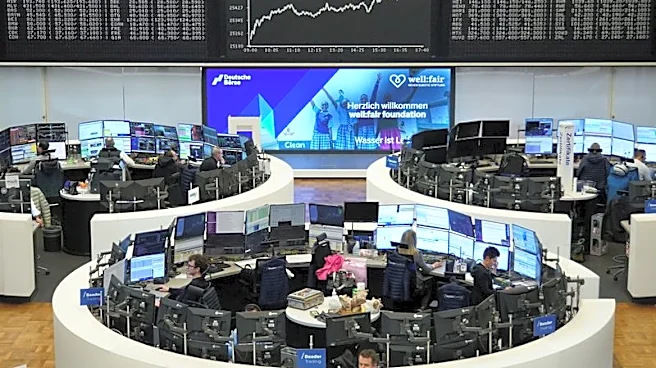
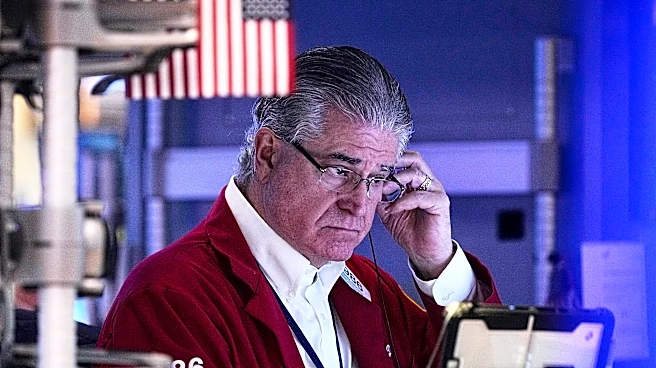
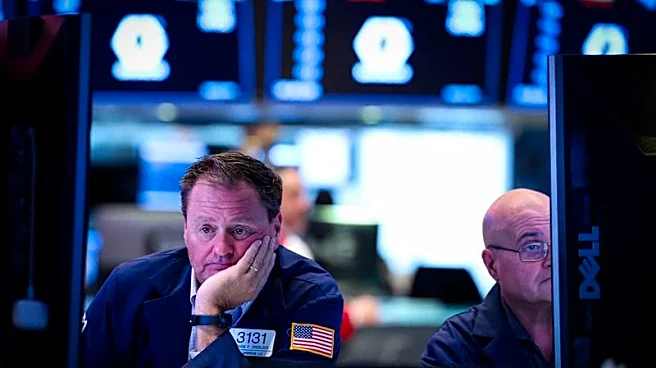
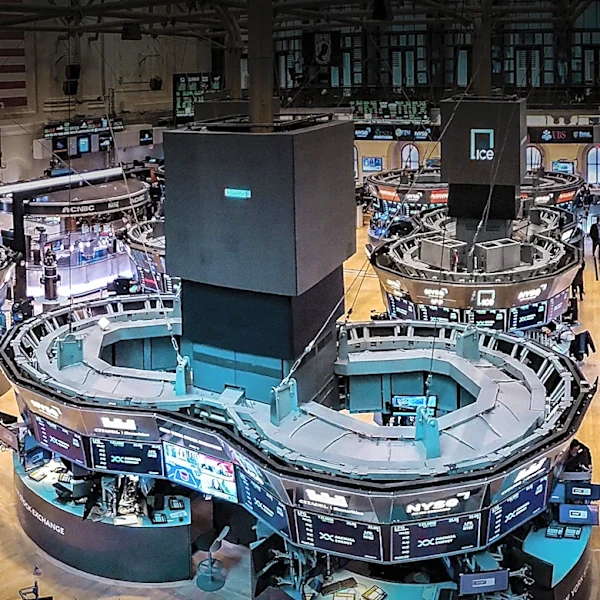
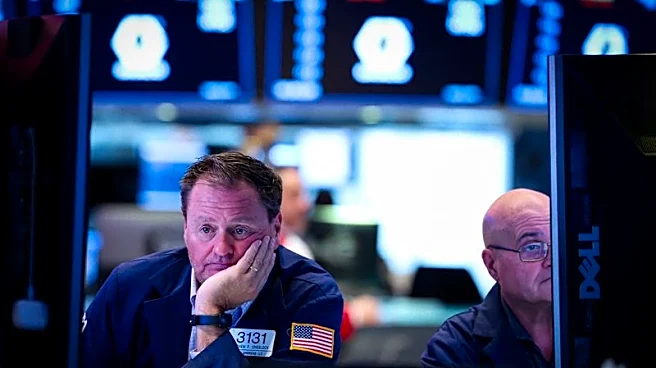
NEW YORK/LONDON, Oct 29 (Reuters) - Wall Street equity indexes dipped as AI jitters offset some encouraging economic data while Europe's stocks rallied as the European Central Bank paused its run of rate hikes.
US Treasury yields eased after data showed that the US economy grew faster than expected in the third quarter as resilient consumer spending and AI-driven business investment outweighed the impact of higher oil prices stemming from the conflict in the Middle East.
However, oil prices fell on the day as hopes for peace talks took the edge off renewed concerns about supply disruptions from the escalating conflict.
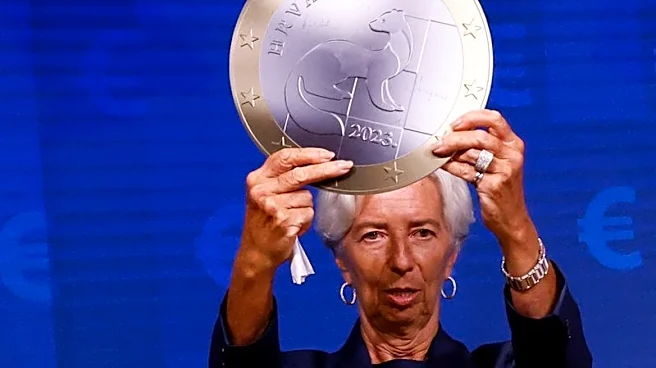
Europe's STOXX 600 rallied after the ECB kept its key rate at 2.5%. Also, ECB President Christine Lagarde confirmed, after months of speculation, that she would leave her post in February.
But on Wall Street, the Nasdaq sank more than 1% while Alphabet sold off sharply after it revealed a hefty AI-related cash burn in its quarterly report, issued after market close on Wednesday. Software companies ServiceNow and Fortinet both tumbled more than 20% after their financial updates.
"Even though markets are down today and reacting negatively to earnings such as Alphabet, ServiceNow, and some other stocks, we also got a GDP number that suggests the fundamentals of the economy are still strong," said Anthony Saglimbene, chief market strategist at Ameriprise.
"Consumer spending accelerated. Business investment accelerated. These are the things that still suggest the economy and the fundamental picture are strong despite some weaker trading today around the AI narrative."
Investors will closely monitor upcoming earnings reports for more information on AI spending with updates from Intel and Amazon due out after US markets close.
On Wall Street at 1:12 p.m. ET, the Dow Jones Industrial Average fell 197.23 points, or 0.38%, to 52,277.87, the S&P 500 fell 32.22 points, or 0.42%, to 7,711.76 and the Nasdaq Composite fell 374.84 points, or 1.41%, to 26,175.01.
MSCI's gauge of stocks across the globe fell 2.20 points, or 0.19%, to 1,131.83.
Earlier, the pan-European STOXX 600 finished up 0.77%.
BOND YIELDS FALL
In fixed income, US Treasury yields added to earlier declines after US inflation data was mostly in line with expectations, a day after the Federal Reserve held interest rates steady.
The yield on benchmark US 10-year notes fell 4.61 basis points to 4.999% while the 30-year bond yield fell 2.27 basis points to 5.3383%.
The 2-year note yield, which typically moves in step with interest rate expectations for the Federal Reserve, fell 6.66 basis points to 4.668%.
In currencies, the euro was steady after the ECB decision, while the dollar was flat against other major currencies in the wake of data showing rising US inflation.
The dollar index, which measures the greenback against a basket of currencies including the yen and the euro, fell 0.16% to 101.96, with the euro up 0.14% at $1.1168.
Against the Japanese yen, the dollar strengthened 0.03% to 157.87.
OIL DIPS
In energy markets, oil prices fell after the Wall Street Journal reported US Vice President JD Vance had sent a letter to Iranian Security Council chief Mohsen Rezaei in an effort to revive peace negotiations. Also, Qatari mediators presented Iran with a new draft deal to end the war, an official briefed on the negotiations told Reuters, though a senior Iranian official dismissed what had been presented as unacceptable.
US crude fell 0.92% to $101.83 a barrel and Brent fell to $115.08 per barrel, down 0.21% on the day.
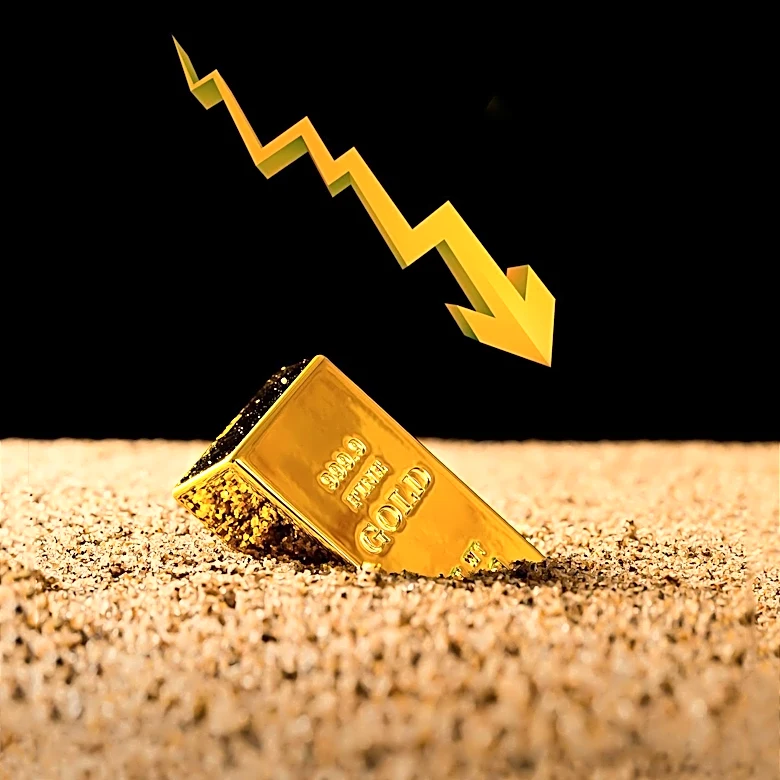
In precious metals, gold fell after US inflation data reinforced expectations of a Federal Reserve interest rate hike later this year, reducing the appeal of the non-yielding metal.
Spot gold fell 1.06% to $4,024.01 an ounce while spot silver fell 2.85% to $52.44 an ounce.
(Reporting by Sinéad Carew, Marc Jones; Editing by Aidan Lewis, Tomasz Janowski and Nick Zieminski)