



By Tharuniyaa Lakshmi and Utkarsh Hathi
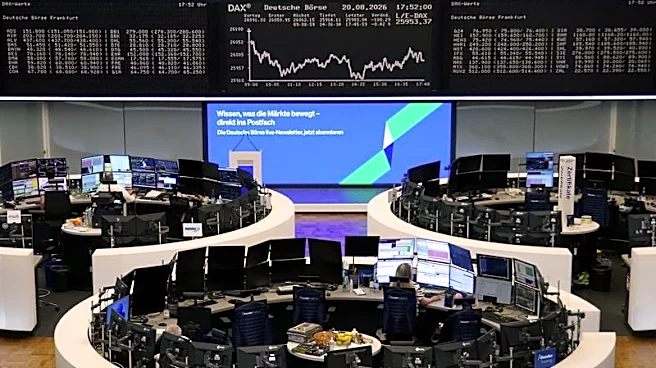
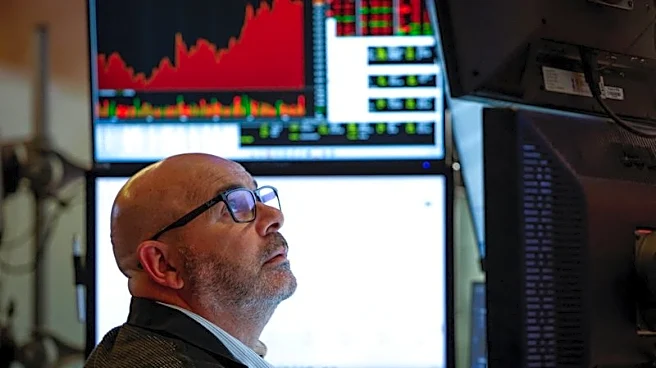
Aug 21 (Reuters) - European shares advanced on Friday, as investors focused on signs of economic resilience, though the benchmark index ended the week lower, with elevated oil prices and Treasury yields keeping inflation concerns alive.
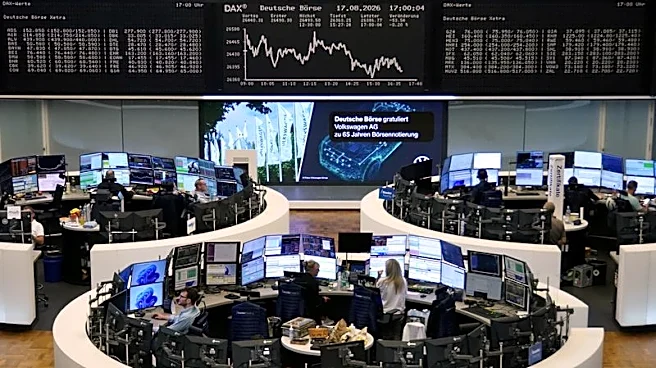
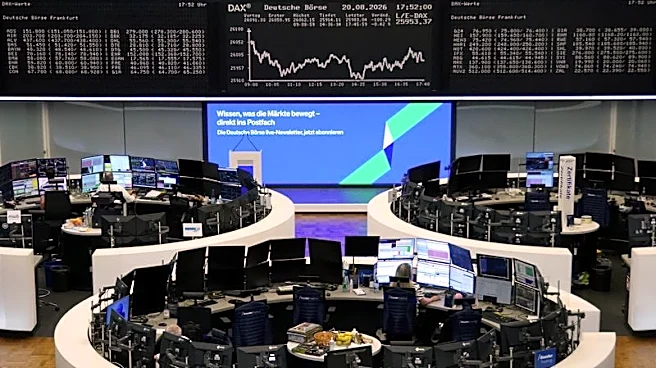
The pan-European STOXX 600 closed 0.59% higher at 654.18 points, still extending losses for a second straight week.
A sharp jump in U.S. long-term bond yields earlier this week had unsettled global investors and dented risk appetite,
before the U.S. Treasury announced measures to boost liquidity support, which many considered as a temporary fix.
However, a robust earnings season has supported risk appetite in Europe, with the region's economy showing signs of resilience despite the Middle East conflict due to its limited exposure to AI trade and a clearer monetary policy outlook.
Euro zone business activity is growing at its fastest pace this year thanks to new orders in manufacturing, and renewed export growth, data showed on Friday. S&P Global's Flash Euro zone Composite PMI Output Index reached its highest since November this month.
Still, investors remain wary of reading too much into recent data, given uncertainty over inflation.
"Europe continues to offer a cautious recovery signal. Industrial improvement without a broad demand surge is close to a Goldilocks outcome for now – enough growth to improve confidence, but not enough to remove the ECB's need for vigilance," said Geoff Yu, senior EMEA market strategist at BNY.
BROAD-BASED GAINS LIFT STOXX 600
Among sectors, luxury stocks gained 1.4%, rebounding from sharp decline in the previous session, while basic resources led sectoral gains, rising 2.5% as a softer dollar lifted gold prices. [GOL/]
European equities saw a $2.44 billion inflow in the week to August 12, the largest since the week ending February 25, just before the U.S-Iran war broke out, LSEG/Lipper data showed.
The retailers advanced 1% as JD Sports climbed 5.6%, recovering from a 14% drop on Thursday after the British sportswear retailer lowered its annual profit forecast.
Meanwhile, money markets are bracing for an increasingly hawkish European Central Bank, with the stalemate between U.S. and Iran in the Middle East complicating outlook for inflation.
U.S. Treasury Secretary Scott Bessent expanded on President Donald Trump's pledge of economic warfare against Iran, saying the U.S. would impose "the toughest sanctions in history" on the country.
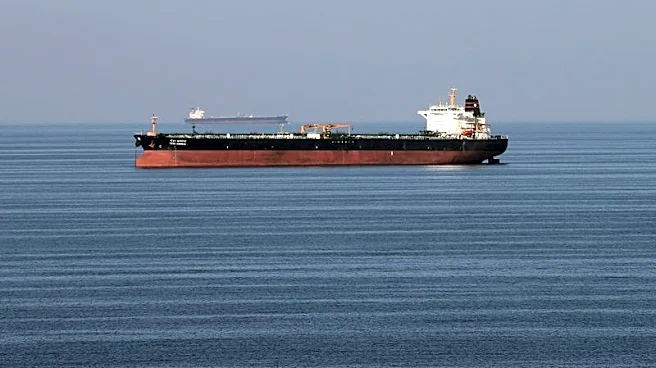
The threats further reduced optimism over a deal to fully reopen the Strait of Hormuz, lifting Brent crude by 0.5%.
"Right now, you see a little bit of that uncertainty priced into oil and sentiment, but it's not quite taking hold of the narrative yet because markets are not fully buying the story that the U.S. will eventually go through with these sanctions," said Daniela Hathorn, a senior market analyst at Capital.com.
Energy was one of the few sectors to decline, along with utilities and defence.
Among individual movers, Nibe Industrier topped the benchmark, up 8.8% after the Swedish heat pump maker reported second-quarter results.
Straumann slipped 3.3% after Deutsche Bank downgraded the Swiss dental implants maker to "hold" from "buy", citing rising risks and CEO transition.
($1 = 0.8559 euros)
(Reporting by Tharuniyaa Lakshmi and Utkarsh Hathi in Bengaluru; Editing by Nivedita Bhattacharjee, Rashmi Aich and Leroy Leo)