
By Nancy Lapid
Jan 7 (Reuters) - When patients stop taking weight-loss medications, the beneficial effects of the drugs on weight and other health issues disappear within two years, a large analysis of earlier
research has found.
Reviewing data on 9,341 obese or overweight patients treated in 37 studies with any of 18 different weight-loss medications, researchers found they regained on average nearly one pound (0.4 kg) per month after stopping the drugs, and were projected to return to pre-treatment weight by 1.7 years.
Heart health risk factors, such as blood pressure and cholesterol levels, that benefited from the drugs were projected to return to pre-treatment levels within 1.4 years after stopping the medications, on average, according to a report of the study in The BMJ.
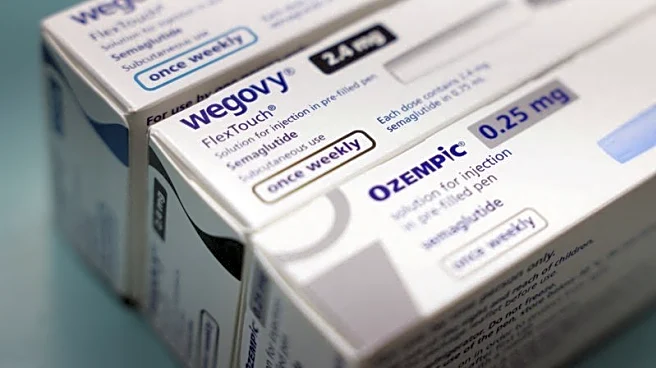
Roughly half of the patients had taken GLP-1 medications, including 1,776 who received the newer, more effective drugs semaglutide, sold as Ozempic and Wegovy by Novo Nordisk, and tirzepatide, sold as Mounjaro and Zepbound by Eli Lilly.
The weight regain rate was faster with semaglutide and tirzepatide, averaging nearly 1.8 pounds (0.8 kg) per month.
“But because people on semaglutide or tirzepatide lose more weight in the first place, they all end up returning to baseline at approximately the same time,” said study senior researcher Dimitrios Koutoukidis of Oxford University. That was roughly 1.5 years with these new drugs versus 1.7 years after stopping any of the drugs.
Regardless of how much weight was lost, monthly weight regain was faster after weight-loss drugs than after behavioral weight management programs, the researchers also found.
The retrospective study could not determine whether some patients were more likely than others to keep off the weight.
“Understanding who does well and who does not is a bit of a ‘holy grail’ question in weight-loss research, but nobody has the answer to that yet,” Koutoukidis said.
(Reporting by Nancy Lapid; Editing by Bill Berkrot)